



30 Seconds Summary
- Dolomite offers a marble-like appearance with slightly higher hardness than many marbles, but it still requires realistic care.
- Sealing helps with stains, but acids can still etch, so daily habits matter.
- Your best match depends on how you cook, clean, and how “perfect” you need the surface to stay.
- You can echo the dolomite look on walls and backsplashes with bianco dolomite mosaics from Mosaicenter.
Dolomite countertops pros and cons (kitchen): Quick table
|
Dolomite countertop pros (kitchen) |
Dolomite countertop cons (kitchen) |
|
Marble-like “quiet luxury” look |
Acid etching risk is real (lemon/vinegar/wine) |
|
Often positioned as more durable than many classic marbles |
Sealing helps stains, not etching |
|
Good heat resistance (still use trivets) |
Needs periodic sealing + consistent habits |
|
Works well with simple cabinets & calm palettes |
Performance varies by slab/quarry |
|
A smart “middle ground” between marble and tougher stones |
Not ideal for low-maintenance / high-chaos kitchens |
If you’re drawn to the quiet movement of a white stone surface, soft veining, gentle depth, not overly dramatic dolomite countertops can feel like the sweet spot between marble beauty and everyday practicality. But it only works when it matches how you actually use your kitchen: what you cook, how fast you move, and how much maintenance you’ll realistically do.
People choose a dolomite countertop for one main reason: they look calm and expensive, without the loud movement some stones bring.
Quick fit check for dolomite countertops:
- You wipe spills quickly (and sealing doesn’t bother you).
- Cutting boards and trivets feel normal, not “extra.”
- You prefer light, quiet palettes to bold patterns.
- You prefer preventing damage over hiding it later.
If you nodded “yes” to most of those, you’re in the right place.
What is a Dolomite Countertop?

Let’s clear the air first.
If you’ve been shopping for slabs, you’ve probably heard three different descriptions for the same stone.
That’s normal. Labels shift from yard to yard.
Here’s the simple version of what dolomite is: it’s a carbonate mineral (calcium-magnesium carbonate).
In practice, acids react more readily with carbonates than with silicate rocks like granite or quartzite.
Now, what is a dolomite rock compared to the mineral?
People use “dolomite” for the mineral and “dolostone” for the rock. In countertop shopping, both get shortened to “dolomite,” which is where the mix-ups start.
Another common one is dolomite marble.
Some sellers lean on “dolomitic marble” wording because certain marbles contain dolomite, and the patterns can look similar. That’s why you’ll also see dolomite marble countertops used as a phrase in casual shopping conversations.
Quick Tip: When you compare samples, pay attention to how the stone handles real kitchen life (etching risk, sealing needs), not just what the tag calls it.
Is Dolomite Right for How You Actually Cook and Clean?
Here’s what happens a lot: someone falls in love with a slab, then spends the next year worrying about every lemon wedge. Let’s avoid that.
Before you commit, line dolomite up your day-to-day kitchen behavior, cooking style, cleaning style, and how “perfect” you need the surface to stay.
Ask yourself:
- Do you cook with lemon, vinegar, wine, tomato sauce, or hot sauce daily?
- Do you wipe spills fast, or do you “get to it later”?
- Do you want a countertop that can look a little “lived-in” without ruining the vibe?
Here’s the truth. Dolomite countertops can be a great choice if you want a natural, marble-like look and are willing to treat them like real stone. Not fragile. Just honest about what it needs.
You’ll also hear the phrase dolomite for countertops when designers want soft, airy movement without committing to full marble upkeep. That’s the positioning, and it’s a fair one.
One more clarity point: what is dolomite countertops in practical terms?
Most of the time, you’re buying a dolomite-rich stone slab (sometimes with calcite mixed in), then sealing and maintaining it like other carbonate stones.
Pro Tip: A “make dinner, wipe down, done” kitchen can handle dolomite. A “kids + crafts + nonstop mess” kitchen might push you toward a tougher surface.
What Are the Day-to-Day Pros of Dolomite Countertops?
Let’s talk benefits you can feel, not marketing fluff, especially if you’re considering dolomite for countertops in a real, working kitchen.
1) The look is high-end without feeling cold
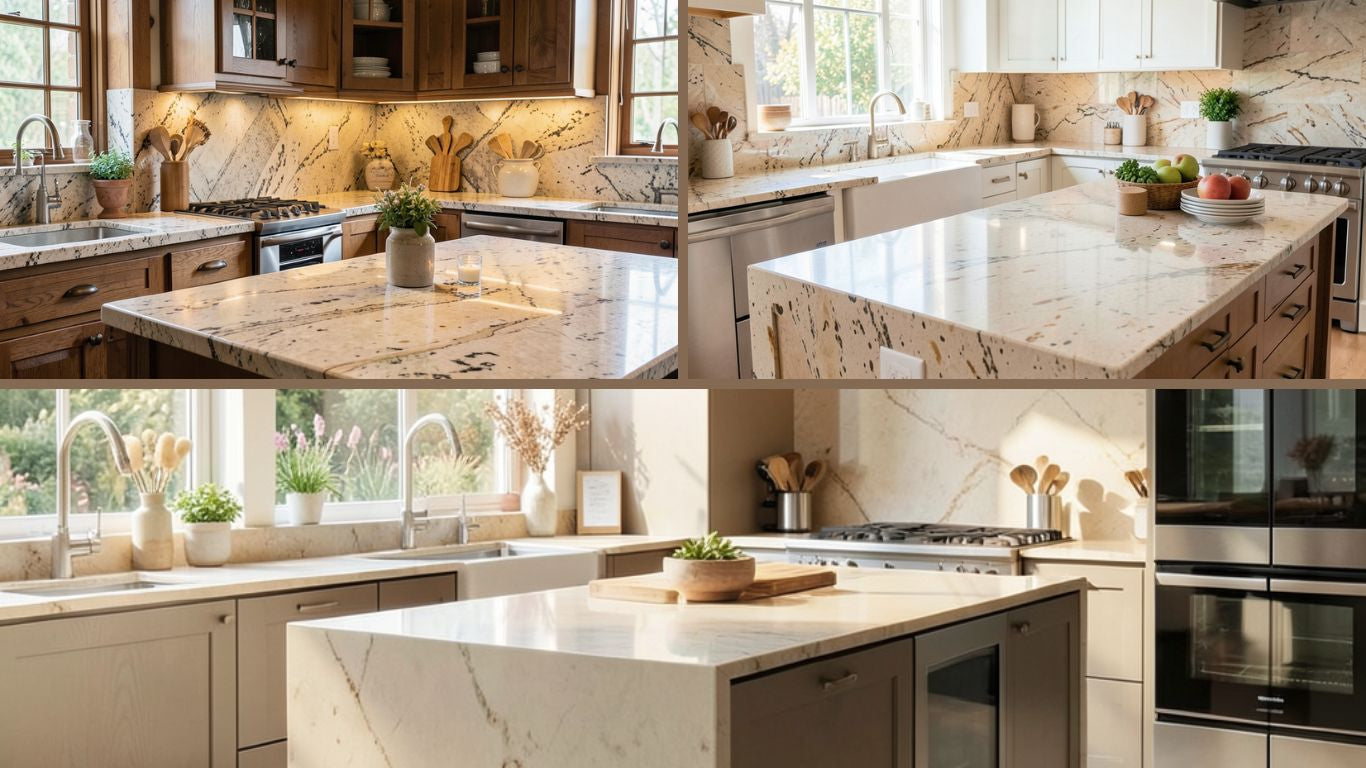
Most dolomite stones show a creamy base with soft gray movement, calm, expensive-looking, and not overly dramatic. That’s why dolomite counters keep showing up in design-forward kitchens.
2) It’s often harder than classic marble
Dolomite mineral is ~3.5–4 on Mohs, but real countertop slabs vary based on the mix of dolomite/calcite and the specific quarry. That small gap can help with everyday wear, especially around the sink edge. One reason people ask is dolomite good for countertops.
3) It pairs beautifully with simple cabinets
White, cream, light oak, warm walnut, matte black dolomite stone countertops tend to stay visually “quiet,” so the rest of the kitchen can breathe.
Shop the look: If you love that bright stone aesthetic, Mosaicenter’s bianco dolomite mosaics make it easy to echo the same tone in your backsplash and feature areas.
What Are the Cons of Dolomite Countertops That Homeowners May Regret?
This is the part most people only learn after installation, so let’s make it simple. These are the real-world dolomite countertops pros and cons tradeoffs.
1) Etching is still a real risk
In kitchens, acids are everywhere. Citrus, vinegar, wine, and tomato can dull a spot over time—especially on polished finishes. This matters for dolomite kitchen countertops even when you’re careful.
2) Sealing helps, but it’s not magic
Sealers help with stains, but they don’t stop chemical etching. If you’re searching dolomite countertop pros and cons, this is usually the “wish it worked differently” moment.
3) The stone can vary by quarry and slab
Some dolomite slabs behave closer to marble; others act tougher. That’s why “one person loves it, one person regrets it” stories exist especially with dolomite stone slabs.
Designer Tip: Love the look but want fewer headaches? Use dolomite where it shines visually (often an island), and choose a tougher surface on the perimeter—especially if you’re comparing dolomite vs granite or dolomite vs quartzite.
What Do Dolomite Countertops Look Like in Real Kitchens?
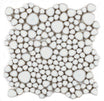
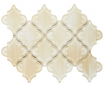
This decision gets emotional. That’s okay. The countertop sets the tone. For a backsplash detail that stays light and soft, bianco dolomite dotty gives you the same clean stone tone with a little texture.
Dolomite material often shows:
- white to creamy white backgrounds
- gray to charcoal veining (usually softer than dramatic marble)
- occasional warm undertones (depending on the slab)
So, what does dolomite look like compared to marble?
Think “marble-inspired,” but often less wild and more steady. It feels calm from across the room, then interesting up close.
You’ll see searches for dolomite countertop colors because homeowners want to know if it’s only white.
It’s not. Still, the most popular slabs stay light for a reason: they make kitchens feel bigger and cleaner.
Quick Tip: View the slab under lighting similar to that in your kitchen. Under-cabinet LEDs and daylight can shift what you see.
If you’re coordinating surfaces, this is where Mosaicenter helps beyond the countertop itself.
Using kitchen tiles on the backsplash lets you protect the splash zone (behind the range and sink) while the countertop stays the hero.
Which Finish Is Best for Dolomite Countertops in a Kitchen?
Finish affects both looks and day-to-day stress. More than most people expect.
Polished
The glow is stunning.
Etching can show faster because the shine makes dull spots obvious.
Honed
More matte. More forgiving.
Many homeowners choose honed when they want elegance without constantly chasing a perfect shine.
Leathered
Leather adds texture and can hide fingerprints.
Cleaning still matters, since texture can hold residue if you let it build up.
People choose the finish based on showroom wow. Choose the finish based on how often you cook and clean.
CTA: Want the same calm, light tone without putting all the pressure on the countertop? Browse Mosaicenter’s bianco dolomite mosaics to carry that look onto the backsplash and walls.
How Does Dolomite Compare to Other Kitchen Countertop Materials?
Here’s the comparison people actually want. No drama. Just tradeoffs.
Dolomite vs quartzite
Quartzite (true quartzite) sits in a different family. Many sources cite it around Mohs 7, which explains the scratch resistance people love.
It can still absorb liquids, so sealing stays part of the plan, but it usually handles daily abuse better than most carbonates.
Dolomite vs granite
Granite tends to handle kitchen life with fewer rules. It resists scratches well and shrugs off heat.
If you want “set it and forget it,” granite usually wins. If you want soft, airy movement, dolomite may win on aesthetics.
Dolomite vs marble
This is the heart of it. Dolomite can run harder than many marbles, but both stay in the carbonate camp, so acids still matter.
Marble stays iconic. Dolomite gives you a similar mood with slightly more resistance to wear, depending on the slab.
And yes, you’ll see people ask: is dolomite marble.
Visually, it can mimic it. Chemically, it behaves differently enough that performance can shift.
How Do You Care for Dolomite Countertops Without Obsessing?
Care for dolomite countertops comes down to three habits: wipe acidic spills quickly, clean with gentle (pH-neutral) products, and reseal when water stops beading. Sealing helps with stains, but acids can still etch, so your day-to-day habits matter more than the brand of sealer. Treat dolomite kitchen countertops like real stone: simple rules, not stress.
Quick Tip: If your priority is “natural stone look with less stress,” shortlist dolomite, quartzite, and quartz, then compare based on how you actually cook.
What are the simplest daily rules that prevent damage?
Call this your insurance policy. If you’re choosing dolomite stone countertops, keep the goal tight: reduce stains, reduce etching, and keep the finish consistent.
- Wipe spills quickly, especially acids (citrus, vinegar, wine, tomato).
- Use mild soap and water or a pH-neutral stone cleaner (skip harsh or acidic cleaners).
- Use cutting boards. Always. Grit + knives are what create that slow wear near sinks.
- Keep the surface dry around the sink when you can (standing water + residue builds dullness over time).
How often should you seal dolomite countertops?
- Sealing schedules vary based on the specific stone, finish, and use—this is especially true with dolomite slabs and dolomite stone slabs.
- Use a simple water-drop test:
- If water darkens the stone quickly, it’s time to reseal.
- If it beads and sits, you still have protection.
- Remember: sealing helps with stains, but acids can still etch—so sealing supports good habits, it doesn’t replace them.
How do heat and impact actually affect dolomite?
- Use trivets and don’t set hot pans directly on dolomite countertops.
- Don’t slam heavy cookware (cast iron, Dutch ovens) down—chips happen at edges and near cutouts.
- Treat it like natural stone, because it is: strong, but not invincible.
One-minute reset (weekly)
- Do a quick wipe with a pH-neutral stone cleaner, then dry with a microfiber cloth.
- If you’re noticing dull spots, check whether it’s residue buildup or light etching—clean first before assuming damage.
Shop the supporting surfaces: If you want stone beauty where maintenance feels easier, Mosaicenter’s natural stone tiles can deliver the look on walls, backsplashes, and low-contact areas.
Where Else Can You Use the Dolomite Look in a Kitchen
Here’s an underrated move: keep the countertop clean and simple, then bring the pattern to the backsplash. Small change. Big payoff.
If you love dolomite slabs, you can echo that same vibe with mosaic and wall applications that are easier to replace later than a full slab install.
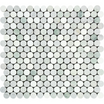
A smart place to add detail is a coffee station or bar zone. bianco dolomite crema dotty fits there naturally. It brings soft texture up close without taking over the whole kitchen.
People try to make the countertop do all the design work. Let the backsplash carry the personality and keep the counter timeless.
Pro Tip: If upkeep makes you nervous, enjoy the dolomite look in smaller, controlled installs (backsplashes, feature walls, niches).
Over to You
Dolomite can be a beautiful choice. But it’s not a “set it and forget it” material.
If you love that soft, bright, marble-leaning look and can commit to basic stone care, dolomite countertops can elevate your kitchen without feeling flashy.
If you want ultra-low maintenance, consider quartz or true quartzite.
Ready to build a kitchen that looks high-end and stays practical? Shop coordinating stone-look backsplashes, mosaics, and bianco dolomite options at Mosaicenter.
FAQs
Is dolomite good for countertops?
It can be, if you want a natural stone look and you’re comfortable sealing and wiping up acidic spills quickly. It’s not a zero-maintenance surface.
What are dolomite countertops pros and cons?
Pros often include a marble-like look and a bit more hardness than classic marble. Cons include etching risk, sealing needs, and performance variation between slabs.
What is dolomite countertops compared to quartz?
Quartz is engineered and typically non-porous, while dolomite is a natural stone and usually needs sealing. Quartz often feels easier day-to-day; dolomite can look more organic and less “printed.”
Do dolomite kitchen countertops stain easily?
They can stain if left unsealed or if spills sit too long, especially oils and pigments. Sealing helps, but quick cleanup still matters.
Are dolomite countertop colors only white and gray?
No, but those are the most common. Many slabs stay in a light palette with subtle movement, which is why they’re popular for bright kitchens.
Are dolomite stone slabs the same as marble slabs?
They can look similar, but they’re different stones. Test the specific slab for porosity and talk through sealing and finishing before fabrication.

Halil I Oguz
At Mosaicenter's, Halil I Oguz brings a unique blend of strategic insight and creative flair to our digital experience. As our dedicated Content Strategist, he masterfully curates the online journey, allowing the inherent quality and design artistry of our premium tiles to truly shine.
From showcasing the intricate patterns of our mosaics to detailing the robust, scratch-resistant and water-resistant finishes of our porcelain and natural stone, Halil crafts content that is both informative and deeply engaging.
His work empowers Mosaicenter's clients to confidently select from our extensive range, helping them transform spaces with tiles that reflect both enduring style and practical excellence.


Leave a comment
This site is protected by hCaptcha and the hCaptcha Privacy Policy and Terms of Service apply.