


30 Sec- Summary
- Dolomite-based marble can discolor when pigments or oils sit too long, especially if it isn’t well sealed.
- Sealing buys you time against stains, but it doesn’t stop acid etching—finish and habits still matter.
- Kitchens and showers create different risks: oils/coffee vs. soaps/hard-water residue and product buildup.
- A simple routine (wipe, gentle cleaner, reseal when needed) prevents most regret.
- The fastest way to avoid undertone and finish regret is to compare samples in your own lighting.
White marble is the dream until real life shows up: coffee rings, cooking splatter, skincare bottles, and hard-water haze. If you’re choosing Bianco Dolomite for a kitchen or shower, you don’t need scare tactics; you need clarity on what’s normal, what’s preventable, and what’s worth avoiding.
If you’re asking, "Does dolomite stain?" the honest answer is it can, but the risk is predictable. Once you understand what causes discoloration (and what doesn’t), the material becomes much easier to live with.
At Mosaicenter, we curate natural stone with real homes in mind: a handpicked selection, fast fulfillment, and sample-first decision-making when the details matter.
What’s the Honest Answer About Stains?
Some people want a simple yes/no. The reality is more useful than that.
A lot of shoppers also ask, "Does dolomite stain easily?" In most homes, staining isn’t “easy”; it’s usually the result of one of three things: the surface isn’t sealed (or the sealer has worn off), a stain sits long enough to absorb, or a cleaner/product leaves residue that darkens the stone.
Here’s the key: most panic comes from mixing up stains and etching. Stains are about absorption. Etching is a chemical reaction at the surface. They look different, and they’re handled differently.
What “Staining” Really Means on Dolomite-Based Marble

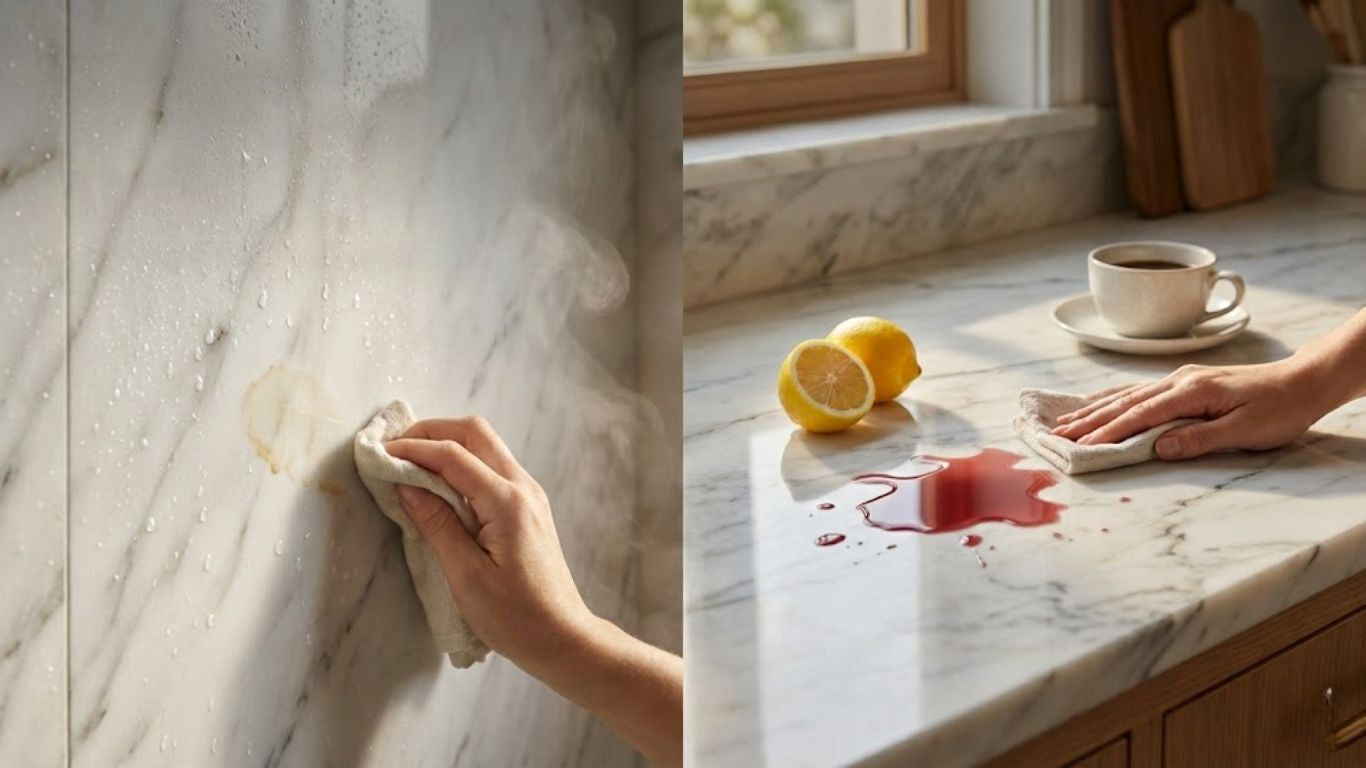
Staining is not the same as “marks.” A true stain is discoloration that has absorbed into the stone. Etching is a chemical change at the surface that often looks like dullness or haze.
The practical takeaway is simple: prevent absorption with sealing and wipe habits, and prevent etching by avoiding harsh/acidic cleaners and letting acids sit.
Will It Stain? Why, and What to Do
|
Yes/No likelihood |
Why |
What to do |
|
Unsealed or worn sealer: Yes |
Absorption happens fast on light stone |
Reseal on a plan; wipe spills immediately |
|
Well-sealed surface: Less likely |
Sealer buys time, not immunity |
Keep habits simple; re-test periodically |
|
Oils/grease: Yes |
Oil darkens stone and lingers |
Blot quickly, use a gentle cleaner, and avoid leaving bottles/rags |
|
Coffee/wine pigments: Yes |
Pigment can absorb and leave a shadow |
Blot, don’t smear; clean gently; reassess after fully dry |
|
Acids (lemon/vinegar): Not a “stain.” |
Usually, etching, not absorption |
Avoid acidic cleaners; repair the finish if dulled |
|
Hard water/residue: Common |
Film and mineral haze mimic staining |
Rinse/wipe routinely; avoid harsh bathroom cleaners |
Want a second opinion on finish, grout, or layout? Ask a Mosaicenter tile specialist for a quick recommendation.
A Simple 3-Step Framework to Choose Confidently
You don’t need a chemistry lesson. You need a repeatable way to decide and live with it.
1) Choose the finish you can live with
Polished looks brighter and sharper, but it shows dull spots faster. Honed looks calmer and hides small changes better.
2) Choose by zone, not by mood
Marble can be incredible in lower-contact areas, and still work in high-use zones if you’re realistic about upkeep.
3) Decide what “success” looks like for you
If you need a surface to look untouched forever, you may want porcelain. If you’re okay with natural character over time, marble can be a joy.
If you’re still early in your project, browsing natural stone and tile by application and finish can help you place the right material in the right zone from the start.
The fastest way to avoid undertone regret: get samples first, then choose format and grout with confidence.
What Counts as a Stain vs. an Etch

Most regret comes from misdiagnosis.
A stain usually looks like
- A darker patch or tinted discoloration
- A “shadow” that stays even after gentle cleaning
- Something that becomes more obvious as the surface dries
An etch usually looks like
- A dull spot or hazy patch (especially on polished stone)
- A change in shine rather than a change in color
- Something that feels smooth but looks “less reflective.”
If you treat etching like a stain, you’ll scrub and get nowhere. If you treat a stain like etching, you’ll polish the surface and leave the discoloration underneath.
Pro Tip: If you want the dolomite look with minimal grout lines, choose rectified porcelain AN Dolomite Supreme is designed for a clean, near-seamless install.
What Actually Causes Discoloration on Dolomite-Based Marble?
Most staining stories are predictable once you know what the stone is up against.
The most common culprits in kitchens
- Oils and grease (they darken quickly and linger)
- Coffee, tea, wine, tomato-based splatter (pigments)
- Rust-transfer from metal cans or tools left on the surface
- Cleaner residue that builds a film over time
If you’re troubleshooting a dolomite countertop stain, start by asking two questions: was the surface sealed at the time, and did the stain sit for longer than a few minutes?
The most common culprits in showers
- Product buildup from shampoo, conditioner, and body oils
- Hard-water minerals that leave haze or darkened patches
- Soap scum that traps dirt and makes stone look “dingy.”
In other words, showers aren’t just about staining; they're about consistency. A quick rinse and gentle wipe prevent the buildup that makes marble look tired.
Does Sealing Prevent Stains (and What It Cannot Do)
Sealing is valuable, but it’s not a shield.
What sealing does well
- Slows absorption so you have time to wipe spills
- Helps reduce how quickly pigments and oils sink in
- It makes daily cleanup easier because the mess stays on the surface longer
Where sealing doesn't work well?
- It doesn’t stop etching from acids
- It doesn’t make stone “stain-proof.”
- It doesn’t replace quick-wipe habits
A good habit is a simple water-drop test in a discreet spot. If water darkens quickly, the surface is thirsty, and resealing should move up your list.
If you’re designing a full kitchen system (countertop + backsplash + floors), planning with kitchen tilesis one of the easiest ways to protect splash zones while keeping the “pretty stone” where it performs best.
Where Does This Marble Work Best: Kitchens vs Showers?
This is where most buyers get clarity fast because “best” is really about how the room behaves.
Kitchens: beauty with predictable rules
Dolomite kitchen countertops can be a great fit when you’re comfortable with quick wipe-ups, and you prefer a calm, bright surface over a bulletproof one.
Kitchen best practices are simple:
- Wipe pigment spills quickly.
- Don’t let oils sit.
- Use cutting boards and trivets as default habits.
If you want to keep marble as the star but reduce exposure, use it on the backsplash or island feature zone and choose a tougher material for the heaviest prep area.
Planning a full kitchen or shower? Book Mosaicenter’s Free Design Consultation for curated samples and one-on-one guidance.
Showers: it’s about buildup and routine
A dolomite shower can look incredibly refined, especially in honed finishes and softer mosaics. The key is preventing product buildup and managing hard-water haze with gentle cleaning.
If your home has hard water, the finish choice matters. Honed often looks more consistent day to day, while polished can show water spotting and haze sooner.
If you’re designing a full shower system, walls, floor, mosaics, and niches, start with shower tiles to choose formats that fit your layout and drain requirements.
Bathrooms: vanity zones are often the easiest win
A dolomite bathroom countertop tends to see fewer oils and cooking pigments than a kitchen, but it does see cosmetics, toothpaste, hair products, and water rings.
If your routine includes a lot of skincare, wipe the surface after product-heavy mornings. Small habits keep the lighthouse looking bright.
Designing a shower? Explore Shower Tiles to find formats that fit floors, walls, and niches without guessing.
Daily Care Checklist That Keeps the Surface Looking Clean
The goal isn’t obsessive care. The goal is consistent care.
If you’re building a routine for dolomite countertop care, keep it simple enough that you’ll actually do it.
Daily (60 seconds)
- Wipe spills early, especially oils and pigmented liquids
- Use mild soap and water or a pH-neutral stone cleaner
- Dry high-splash zones when you can (around sinks and shower shelves)
Weekly (5 minutes)
- Gently clean areas where residue builds: behind faucets, around drains, and shower shelves
- Rinse well so the cleaner doesn’t leave a film.
- Check for grit on floors so it doesn’t create micro-scratches over time
This is the difference between “I love my stone” and “I’m nervous around it.” And yes, cleaning dolomite countertops is more about gentle consistency than scrubbing power.
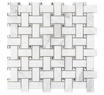
If you want a refined look for lower-contact zones, bianco dolomite mosaics and field tile formats are an easy way to get the marble effect, where it gets admired more than it gets abused.
What to Do When You Notice a Mark
If you see a spot, don’t panic. Do this instead.
Step 1: Identify what you’re seeing
- Darker patch = likely absorption or residue
- Dull/hazy patch = likely etching or film
- Sticky/greasy feel = likely residue buildup
Step 2: Start with the gentlest reset
Clean with a pH-neutral stone cleaner, rinse well, and dry completely. Re-check in good lighting after it’s dry. Wet stone hides and exaggerates different things.
Step 3: Decide whether it’s stain removal or finish repair
If the mark looks darker after drying, treat it as a stain. If it looks dull, treat it as an etch/finish issue.
If your question is how to get stains out of dolomite, the most important rule is to avoid abrasive scrubbing that can change the finish before the stain is actually removed.
Pro Tip: Use warm water and a pH-neutral stone cleaner. Avoid harsh chemicals or acidic solutions that can etch stone.
Coffee is the most common “did I ruin it?” moment
For how to clean coffee stain from dolomite countertop, blot first (don’t wipe), clean gently, rinse thoroughly, and reassess after it fully dries. If a shadow remains, treat it as pigment absorption—not surface grime.
When to call a pro
- The stain is deep and unchanged after gentle cleaning
- The finish is visibly etched and you want it blended evenly
- You’re unsure and don’t want to risk changing the sheen in one spot
Where Dolomite Is Safest in a Home
If your goal is “marble look with less worry,” placement is your best tool.
Lowest risk (best visual return)
- Backsplashes and feature walls
- Fireplace surrounds
- Bathroom walls away from direct spray
Medium risk (manageable with simple habits)
- Vanity tops
- Shower walls (especially honed)
- Low-contact floors in calmer households
Highest risk (still possible, but be honest about habits)
- Heavy-use prep counters
- Areas where oils and pigments routinely sit
This is also where people decide whether they want natural stone in the hardest-working zone, or whether they want the look in a smarter location and a tougher surface where life gets messy. That’s the difference between loving dolomite counters and feeling like you need to babysit them.
Designing a shower? Explore Shower Tiles to find formats that fit floors, walls, and niches without guessing.
When a Porcelain “Dolomite Look” Makes More Sense
If your priority is stain resistance and low-maintenance living, porcelain is often the better fit, especially for high-use kitchens, rentals, and heavy-traffic floors.
This is exactly why Mosaicenter carries a porcelain option like AN Dolomite Supreme: it captures the bright, marble-inspired look while being easier to live with in spill-heavy zones. It’s a practical choice when you want the aesthetic but don’t want your surfaces to demand attention.
Over to You
Soback to the real question. does dolomite stain can be answered with confidence when you understand the conditions: seal health, spill type, and dwell time. If you love the calm, timeless look of Bianco Dolomite, you don’t need perfection. You need smart placement and a routine you’ll actually keep.
Ready to choose with confidence? Explore Bianco Dolomite options, compare finishes, and order up to three free sample pieces through Mosaicenter so you can see the stone in your own lighting before you commit.
FAQs
Does dolomite stain easily in everyday life?
Not usually from quick splashes. It becomes more likely when oils or pigments sit long enough to absorb, or when sealing is overdue.
What stains dolomite the most?
Oils/grease and pigment-heavy spills (coffee, wine, cosmetics) are the most common.
Does sealing stop etching?
No. Etching is a surface reaction, so preventing it is mostly about avoiding acids sitting and using gentle cleaners.
How do I know if I need to reseal?
Use a simple water-drop test. If water darkens the stone quickly, it’s time to reseal.
Can I remove a stain myself?
Often, yes if you start gently, let it dry fully between steps, and don’t scrub aggressively. Deep stains may need professional help.
Is dolomite okay around sinks or in bathrooms?
Yes, especially with a realistic routine. Bathrooms often feel easier than kitchens because there’s less grease and pigment exposure.

Halil I Oguz
Founder & Tile Expert
Halil I Oguz is the founder of Mosaicenter, the natural stone and porcelain tile supplier he launched in 2018 and now runs across the United States and Canada.
He leads the company's product selection and writes its technical library, covering DCOF slip ratings and ADA compliance, TCNA installation standards, and the selection and care of natural stone.
His work as a founder has been featured in Authority Magazine. Read full bio →



Leave a comment
This site is protected by hCaptcha and the hCaptcha Privacy Policy and Terms of Service apply.