



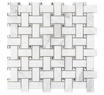
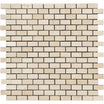





Tiles are one of the most durable and attractive surface materials for kitchens, bathrooms, entryways, and outdoor spaces. While tiles often retain their beauty for years with minimal maintenance, the grout between them tells a different story. Dirt, soap residue, grease, moisture, and everyday foot traffic can quickly turn bright grout lines into stained, discolored strips that make an entire room appear older than it really is. Learning how to clean tile grout effectively is one of the easiest ways to restore the fresh appearance of tiled surfaces without replacing them.
Fortunately, cleaning grout is neither complicated nor expensive when you use the right techniques. Whether you have ceramic, porcelain, or natural stone tiles, following a proper cleaning routine helps preserve both the grout and the surrounding surface. Homeowners who invest in premium natural stone from Mosaic Center can enjoy long-lasting beauty by pairing quality materials with proper maintenance.
Why Does Tile Grout Get Dirty?
Grout is naturally porous, which means it absorbs moisture, dust, oils, soap residue, and other contaminants over time. Even in well-maintained homes, grout lines gradually darken because they trap particles that ordinary sweeping or mopping cannot remove.
Some common causes include:
- Daily foot traffic
- Cooking grease in kitchens
- Soap scum and shampoo residue
- Hard water deposits
- Mold and mildew in damp areas
- Dirt carried in from outside
Unlike the tile itself, grout requires occasional deep cleaning to maintain its original appearance.
Gather Your Cleaning Supplies
Before you begin, collect everything you'll need. Having the proper tools makes the cleaning process easier and reduces the risk of damaging your tile installation.
Recommended supplies include:
- Warm water
- Baking soda
- White vinegar (only for ceramic and porcelain grout)
- Mild pH-neutral cleaner
- Soft-bristle grout brush
- Microfiber cloths
- Spray bottle
- Bucket
- Protective gloves
Avoid steel brushes or abrasive pads, as these can wear away grout and scratch delicate tile finishes.
Step 1: Remove Loose Dirt and Dust

Always begin by sweeping or vacuuming the tiled area. This simple step prevents loose grit from turning into an abrasive paste when mixed with water.
Pay special attention to corners, edges, and grout joints where dust tends to accumulate. A clean surface allows your cleaning solution to penetrate the grout more effectively.
Step 2: Prepare a Gentle Cleaning Solution

For most ceramic and porcelain installations, a paste made from baking soda and water is highly effective for everyday stains.
Mix:
- Three parts baking soda
- One part water
Stir until the mixture forms a thick paste that can easily adhere to grout lines.
If you're working around natural stone, avoid acidic ingredients such as vinegar or lemon juice because they can etch sensitive stone surfaces.
Step 3: Apply the Cleaner Evenly
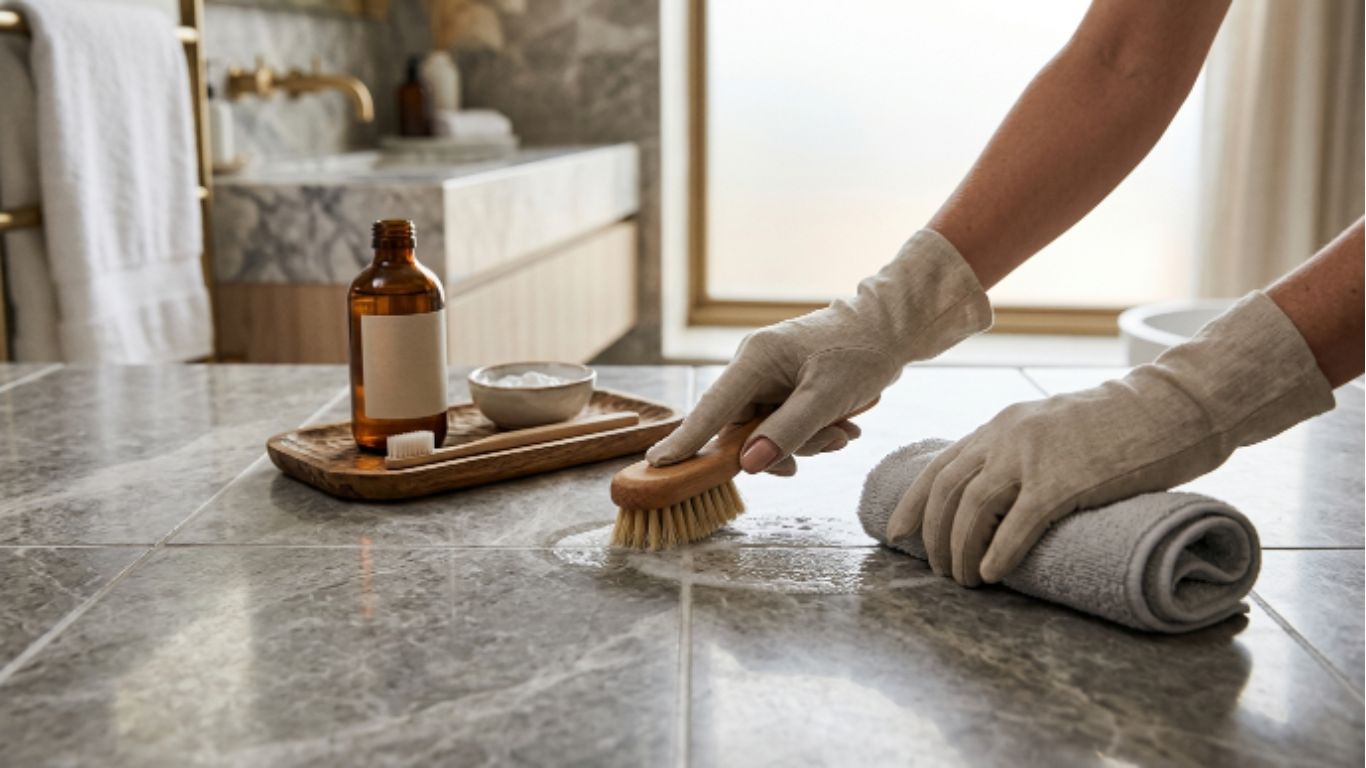
Spread the cleaning paste directly onto the grout lines using a soft brush or an old toothbrush.
Allow the paste to sit for approximately 10–15 minutes. This waiting period softens embedded dirt and helps lift stubborn stains without excessive scrubbing.
For vertical walls, apply small sections at a time to prevent the paste from sliding off before it has time to work.
Step 4: Scrub the Grout Carefully

Using gentle circular motions, scrub each grout line thoroughly.
Avoid pressing too hard. Excessive force may remove portions of the grout instead of simply cleaning it.
Focus on heavily used spaces such as kitchens, mudrooms, and shower tiles, where moisture and soap buildup are more common. Consistent cleaning in these areas helps prevent mold from developing and keeps tiled surfaces looking bright for years.
Step 5: Rinse Thoroughly

Once you've finished scrubbing, wipe away the loosened dirt with a damp microfiber cloth.
Rinse frequently using clean water to prevent dirty residue from settling back into the grout.
Repeat the rinsing process until no cleaner remains on the surface.
Step 6: Dry the Surface

Drying is often overlooked but plays an important role in preventing mildew.
Use a clean towel or microfiber cloth to remove excess moisture. Good ventilation also helps grout dry more quickly and discourages future mold growth.
Opening windows or running an exhaust fan for 20–30 minutes can make a noticeable difference in humid rooms.
How Often Should You Clean Grout?
The ideal cleaning schedule depends on the room and how heavily it is used.
General recommendations include:
- Weekly sweeping or vacuuming
- Weekly damp mopping
- Monthly grout spot cleaning
- Deep grout cleaning every 6–12 months
- Annual grout sealing if recommended
Following this routine greatly extends the lifespan of both grout and tile while reducing the need for expensive restoration.
Removing Tough Grout Stains
Some stains require additional attention.
Mold and Mildew
Persistent moisture encourages mildew growth, particularly in bathrooms.
Improve ventilation, wipe surfaces dry after use, and use a stone-safe mildew remover where appropriate.
Grease
Kitchen grout often absorbs cooking oils.
A mild degreasing cleaner formulated for tile can help dissolve greasy buildup before gentle scrubbing.
Hard Water Deposits
Mineral buildup may appear as chalky white residue.
For ceramic or porcelain installations, specialized descaling products can help. For natural stone, always select cleaners approved specifically for stone surfaces to avoid permanent damage.
Common Grout Cleaning Mistakes to Avoid
Even with the best intentions, homeowners sometimes use cleaning methods that do more harm than good. Avoiding these mistakes will help preserve both your grout and your tiles for years to come.
Using Bleach Too Frequently
While bleach can remove certain stains, repeated use weakens grout over time and may cause discoloration. It should only be used sparingly and according to the manufacturer's recommendations.
Scrubbing with Metal Brushes
Steel wool and wire brushes may seem effective, but they can scratch tile surfaces and erode grout lines. A soft-bristle grout brush provides enough cleaning power without causing unnecessary damage.
Letting Stains Sit Too Long
Fresh stains are much easier to remove than old, deeply embedded dirt. Establishing a regular cleaning schedule prevents grime from becoming permanent.
Ignoring Grout Sealing
Many grout types benefit from a quality sealer after installation and periodically thereafter. Sealing reduces moisture absorption, minimizes staining, and makes future cleaning much easier.
Tips for Keeping Grout Cleaner Longer
Deep cleaning is important, but daily habits can significantly reduce how often it's needed.
Here are a few simple maintenance tips:
- Wipe spills immediately before they soak into grout.
- Sweep or vacuum tiled floors regularly.
- Dry wet surfaces after showering.
- Use entrance mats to reduce tracked-in dirt.
- Clean up grease splashes promptly in kitchens.
- Reapply grout sealer as recommended by the manufacturer.
- Use pH-neutral cleaners for routine maintenance.
These habits help preserve the clean appearance of your tiled surfaces while extending the life of the grout.
Caring for Different Types of Tile
Not every tile should be cleaned in the same way. Understanding the material helps prevent accidental damage.
Ceramic Tiles
Ceramic tiles are among the easiest to maintain. Mild cleaners and warm water are usually sufficient for everyday care, while occasional grout cleaning keeps the entire installation looking fresh.
Porcelain Tiles
Porcelain is denser than ceramic and highly resistant to moisture and stains. Regular sweeping, damp mopping, and periodic grout cleaning are typically all that's required.
Natural Stone Tiles
Natural stone offers unmatched elegance but requires more thoughtful maintenance. Marble, limestone, travertine, and onyx should always be cleaned with pH-neutral products specifically designed for stone.
If you're planning a renovation, Mosaic Center's Natural Stone Collection offers beautiful options that combine timeless style with exceptional craftsmanship. From polished marble for sophisticated interiors to warm travertine and elegant limestone for classic spaces, these premium materials elevate kitchens, bathrooms, entryways, and feature walls while adding lasting value to your home.
Routine maintenance not only protects the stone itself but also preserves the beauty of the grout surrounding it.
Maintaining Grout in High-Moisture Areas
Bathrooms experience constant exposure to humidity, making grout more susceptible to mold and mildew.
To keep bathroom floor tiles looking their best:
- Turn on the exhaust fan during and after showers.
- Leave the shower door or curtain open to improve airflow.
- Dry excess water with a squeegee or towel.
- Inspect grout regularly for early signs of discoloration.
These simple habits dramatically reduce moisture buildup and keep grout cleaner between deep cleanings.
Why Grout Color Matters
Maintenance starts long before the first cleaning. During installation or renovation, choosing grout color can influence how much maintenance your tiled surfaces require.
Light-colored grout creates a crisp, elegant appearance but tends to reveal dirt more quickly. Darker grout hides everyday stains better and often requires less frequent deep cleaning.
The right grout color should complement your tile while matching your lifestyle and cleaning routine.
Cleaning Marble Grout the Right Way
Marble is one of the most luxurious natural stone materials available, but it also requires extra care.
When you Clean Marble Surfaces, remember that acidic household cleaners, including vinegar, lemon juice, and harsh chemical products, can permanently etch polished stone.
Instead:
- Use a pH-neutral stone cleaner.
- Wipe spills immediately.
- Dry the surface after cleaning.
- Avoid abrasive scrubbing pads.
- Follow the manufacturer's maintenance recommendations.
These precautions help preserve the natural veining and polished finish that make marble such a desirable design choice.
Final Thoughts
Clean grout can completely transform the appearance of tiled spaces without the expense of replacing your floors or walls. By following a consistent cleaning routine, using gentle products, and selecting methods appropriate for your tile material, you can keep grout looking fresh while protecting your investment for years to come.
For homeowners looking to combine beautiful design with lasting durability, Mosaic Center offers an exceptional selection of premium natural stone tiles, including marble, travertine, limestone, and onyx. Whether you're renovating a bathroom, upgrading a kitchen backsplash, or designing an elegant living space, their carefully curated collections provide timeless materials that deserve equally thoughtful care. Explore Mosaic Center's collection to find high-quality tiles that bring lasting beauty and value to every room in your home.
FAQs
1. What is the safest homemade cleaner for tile grout?
A paste made from baking soda and water is generally safe for most ceramic and porcelain grout. For natural stone installations, always use a pH-neutral stone cleaner instead of acidic homemade solutions.
2. How often should grout be deep cleaned?
Most homes benefit from deep grout cleaning every six to twelve months. High-traffic kitchens and frequently used bathrooms may require more frequent cleaning.
3. Can vinegar be used on all types of tile?
No. Vinegar should not be used on natural stone materials such as marble, limestone, travertine, or onyx because its acidity can permanently damage the stone's finish.
4. Why does grout become dirty so quickly?
Grout is porous, allowing it to absorb moisture, dirt, oils, soap residue, and other contaminants. Regular sweeping, prompt spill cleanup, and periodic sealing help keep grout cleaner for longer.
5. Is sealing grout really necessary?
Yes. A quality grout sealer helps prevent moisture absorption, staining, and mold growth while making future cleaning much easier. It also extends the life and appearance of your grout.

Halil I Oguz
Founder & Tile Expert
Halil I Oguz is the founder of Mosaicenter, the natural stone and porcelain tile supplier he launched in 2018 and now runs across the United States and Canada.
He leads the company's product selection and writes its technical library, covering DCOF slip ratings and ADA compliance, TCNA installation standards, and the selection and care of natural stone.
His work as a founder has been featured in Authority Magazine. Read full bio →



Leave a comment
This site is protected by hCaptcha and the hCaptcha Privacy Policy and Terms of Service apply.