

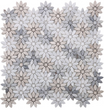
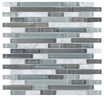
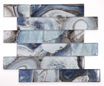

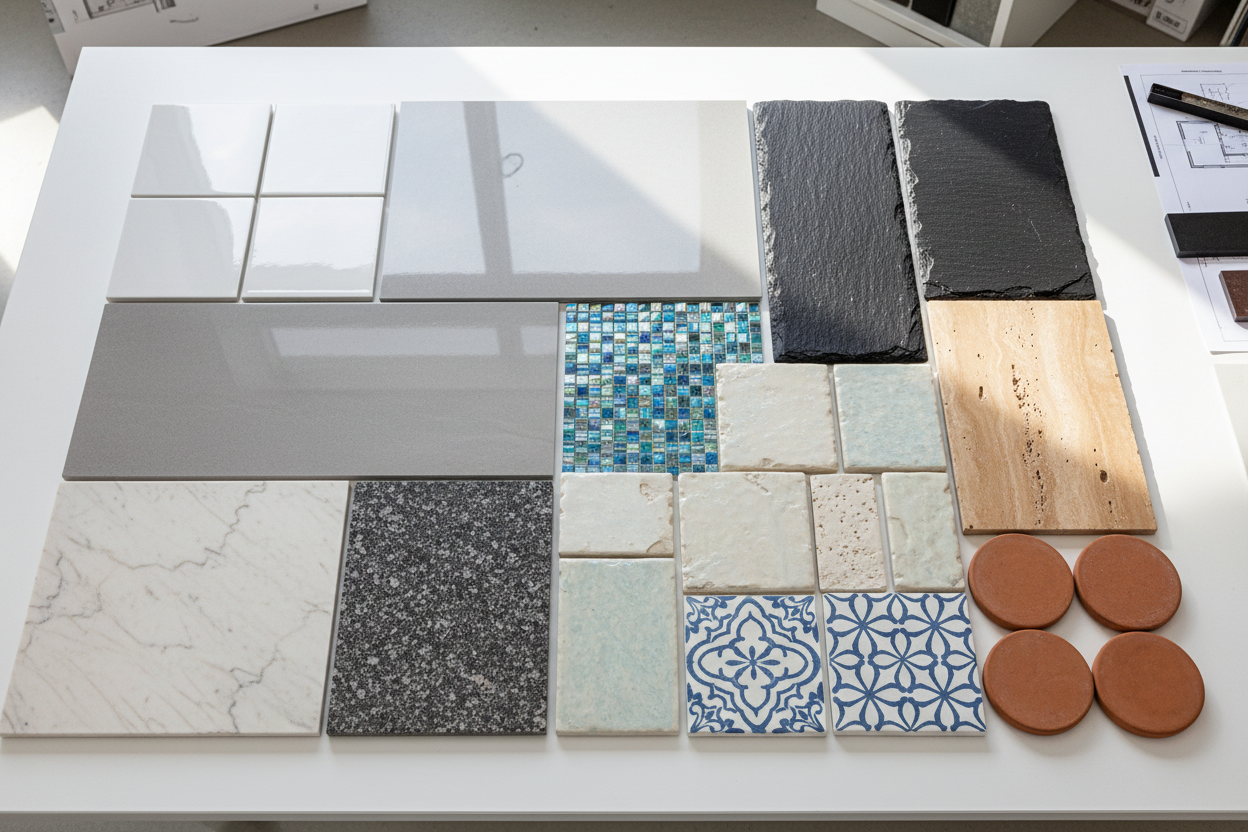
30 Seconds Summary
- Ceramic tiles are cheap, easy to clean, and good for walls and low-traffic areas. Porcelain tiles are strong, water-resistant, and good for busy floors, bathrooms, and outside.
- Glass tiles are shiny and bright, mosaic tiles make pretty patterns, and Zellige tiles are colorful and handmade for walls and decoration.
- Marble looks nice but is soft, granite is very strong, slate is slip-resistant and good for wet places, and travertine is warm and rustic but needs sealing.
- Cement tiles are colorful and eco-friendly but need sealing, quarry tiles are strong and slip-resistant for kitchens and paths, and terracotta is warm and rustic but porous.
- Clay, slate, and concrete tiles can be used outside and for roofs.
- Choose tiles based on where they go, how strong they are, if they resist water, and the style you like. Porcelain is suitable for busy floors, while ceramic is more suitable for walls and smaller areas.
If you have ever visited a tile store, you know how confusing it can be. There are so many types of tiles:ceramic, porcelain, marble, granite, glass, cement, and more. Each looks beautiful, but not all are right for every space.
In this guide, we are going to break down the different types of tiles used in homes. We will explain what each tile is made of, where it works best, and what to consider before buying.
Whether you are planning a bathroom remodel, a new kitchen backsplash, or upgrading your floors, this simple expert guide will help you choose the right tile with confidence.
13+ Types of Tiles Explained
Here are the 13 different types of tiles you will commonly find at tile stores:
#1: Ceramic tile

Ceramic tile is one of the most popular and affordable choices for homeowners. It is made from natural clay that is shaped and fired at high temperatures. Some are glazed, giving them a smooth, shiny surface that is easy to clean, while others are unglazed, offering a more rustic, natural finish. It is available in various colors, textures, and finishes, making it one of the most widely used types of floor and walls tiles in homes.
Pros:
- Budget-friendly and easy to find
- Simple to clean and maintain
- Comes in many colors and designs
Cons:
- Can chip if heavy items drop on it
- Slightly less durable than porcelain
Best For:
- Kitchen backsplashes
- Bathroom walls
- Low-traffic indoor floors
Explore the collection of Ceramic Tiles at Mosaicenter.
#2: Porcelain tile

Porcelain tiles are a stronger, denser version of ceramic tiles. They are made from refined clay and fired at even higher temperatures, making them more durable and water-resistant. They are perfect for both indoor and outdoor use.
Pros:
- Extremely durable and long-lasting
- Water, stain, and scratch-resistant
- Available in wood-look and stone-look styles
Cons:
- Heavier and harder to cut
- Slightly more expensive than ceramic
Best For:
- Bathroom floors and showers
- Outdoor patios and balconies
- Busy kitchen areas
Shop Porcelain Tiles at Mosaicenter now!
#3: Glass tile

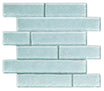
Glass tiles are sleek, reflective, and perfect for adding brightness to smaller spaces. They are often used as kitchen tile types and types of bathroom tiles for decorative accents.
Pros:
- Water-resistant and stain-resistant
- Brightens small spaces with reflective surfaces
- Available in many colors and finishes
Cons:
- Fragile and chips easily
- Can show fingerprints
Best For:
- Kitchen backsplashes
- Bathroom walls
- Accent walls
Add sparkle to your home with Mosaicenter Glass Tiles.
#4: Marble tile

Marble tiles is one of the most elegant types of floor tile material. Each piece is unique, with beautiful veins and a smooth, glossy surface.
Pros:
- These look luxurious and timeless.
- It can feel naturally cool underfoot.
- Marble tiles increase property value.
Cons:
- It requires proper sealing.
- It can be slippery when wet.
Best For:
- Bathroom floors and walls
- Living rooms
- Fireplace surrounds
Bring luxury home with Mosaicenter’s Marble Tile Range.
#5: Granite tile

Granite tile is a natural stone that’s extremely strong and resistant to scratches. It is ideal for high-traffic and heavy-use areas.
Pros:
- Very durable and scratch-resistant
- Natural and elegant look
- Handles moisture and heat well
Cons:
- It can be cold underfoot
- Must be sealed to prevent stains
Best For:
- Kitchen floors
- Countertops
- Entryways
#6: Mosaic tile

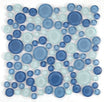
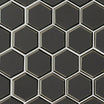
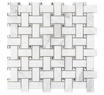
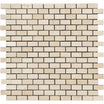
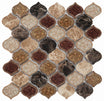
Mosaic tiles are small pieces of glass, ceramic, or stone arranged in patterns. Perfect for decorative walls, backsplashes, and shower accents.
Pros:
- Customizable and artistic
- Water-resistant
- Adds texture and color
Cons:
- Installation can be time-consuming
- Higher cost per square foot
Best For:
- Bathroom walls and showers
- Kitchen backsplashes
- Feature walls
#7: Natural stone tile

Natural stone tiles include limestone, quartzite, travertine, and slate. They are durable, visually appealing, and add a timeless look to homes.
Pros:
- Strong and long-lasting
- Each tile is unique
- Works for floors, walls, and outdoor spaces
Cons:
- Requires sealing
- Can be heavy and costly
Best For:
- Living room floors
- Bathrooms
- Patios
Bring nature indoors with Mosaicenter Natural Stone Tiles.
#8: Cement tile

Cement tiles, also called encaustic tiles, have been used for centuries. They are handmade using natural pigments and cement, giving them bold, colorful patterns that never fade.
Pros:
- Eco-friendly and customizable
- Bold, colorful patterns
- Long-lasting when sealed properly
Cons:
- They are porous and need sealing
- Can stain easily if not maintained properly
Best For:
- Entryways and hallways
- Kitchen floors
- Outdoor patios
#9: Slate tile

Slate tiles are strong, slip-resistant, and naturally textured. They are one of the most durable types of flooring tiles for wet or outdoor spaces.
Pros:
- Excellent slip resistance
- Durable and long-lasting
- Natural look in dark tones
Cons:
- Expensive compared to ceramic
- Heavy and harder to install
Best For:
- Bathrooms
- Outdoor walkways
- Kitchen floors
Step up your style with Mosaicenter’s Slate Tile collection.
#10: Travertine tile

Travertine is a type of limestone with a natural, rustic texture. It is warm in tone and adds an earthy feel to your home.
Pros:
- Natural beauty with soft patterns
- Non-slippery texture
- Great for warm, rustic designs
Cons:
- Needs sealing to prevent stains
- Softer than granite or marble
Best For:
- Bathroom walls
- Outdoor patios
- Living areas
Add a touch of warmth to your space with Tavertine Tiles from Mosaicenter.
#11: Quarry tile

Quarry tiles are dense, clay-based tiles baked at high temperatures. They are slip-resistant and perfect for kitchens, utility rooms, and outdoor walkways.
Pros:
- Slip-resistant
- Durable and long-lasting
- Low-maintenance
Cons:
- Limited color options
- Needs sealing
Best For:
- Kitchens
- Entryways
- Outdoor paths
#12: Terracotta tile

Terracotta tiles are warm, reddish-brown clay tiles that bring rustic charm to floors and walls. They are eco-friendly and timeless.
Pros:
- Warm and natural look
- Slip-resistant surface
- Adds rustic charm
Cons:
- Porous; needs sealing
- Can stain if unprotected
Best For:
- Living rooms
- Kitchens
- Outdoor patios
#13: Zellige tile

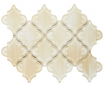
Zellige tiles are handcrafted Moroccan clay tiles with glossy, colorful finishes. They add a unique, artistic flair to walls and backsplashes.
Pros:
- Handmade and unique
- Bright, glossy finish
- Versatile for walls and accents
Cons:
- Labor-intensive installation
- Slightly uneven edges by design
Best For:
- Kitchen backsplashes
- Bathroom accent walls
- Feature walls
Bring artistry home with Mosaicenter Zellige Tiles.
Outdoor & Roofing Tile Options
Tiles are not just for floors and walls. Homeowners also use tiles for outdoor areas and roofing. There are different types of roof tiles, including clay, slate, and concrete tiles, which provide durability and style. Choosing the right type of tile roofing material makes your roof look great and last for decades.
Porcelain vs. Ceramic: What's the Real Difference?
Porcelain and ceramic are two of the most popular types of tile, but many homeowners confuse them. While both are made from clay and baked in a kiln, their differences in durability, water resistance, and cost can affect your choice depending on where you want to install them.
Here are some of the main differences between the two that will help you choose the right tile for your home.
|
Feature |
Porcelain |
Ceramic |
|
Durability (PEI Rating) |
Higher (Rated for heavy traffic) |
Lower (Best for light traffic) |
|
Water Resistance |
Excellent (Impervious) |
Good (But more porous) |
|
Cost |
More Expensive |
More Affordable |
|
Best For |
Bathroom floors, Outdoor spaces, High-traffic areas |
Kitchen backsplashes, Bathroom walls, Low-traffic floors |
Main Differences to Remember:
- Porcelain is denser and less porous, making it ideal for wet areas like bathrooms, showers, and outdoor patios. It can also handle heavy foot traffic, which makes it great for kitchens, hallways, and commercial spaces.
- Ceramic is easier to cut and install, which makes it a go-to option for walls, backsplashes, and low-traffic areas. It is lighter on the budget, so it’s perfect for DIY projects.
- Both tiles come in various finishes like matte, polished, or glazed, and can mimic natural stone, wood, or even metallic textures.
Quick Tip: If you want a tile that lasts for decades and can handle moisture and heavy use, go for porcelain. If you want a budget-friendly, stylish option for walls or decorative areas, ceramic is the perfect choice.
The Best Tile for Your Project: A Quick Guide
Choosing the right tile for each part of your home can save you money, time, and frustration. Different types of tile flooring work better in certain spaces, depending on traffic, moisture, and style.
This table shows which tiles are best for common areas in your home:
|
Project Application |
Top Recommended Tile Types |
|
Kitchen Floor |
Porcelain, Durable Natural Stone (Granite) |
|
Bathroom Floor / Shower |
Porcelain, Mosaic (with high grout for grip) |
|
Kitchen Backsplash |
Ceramic, Glass, Marble, Mosaic |
|
Fireplace Surround |
Porcelain, Slate, Marble |
|
Outdoor Patio |
Slate, Travertine, Outdoor-Rated Porcelain |
|
Roof / Outdoor Covering |
Slate, Clay, Concrete |
Details & Tips:
- Kitchen Floors:
Need tough tiles that can handle spills, dropped items, and heavy use. Porcelain and granite tiles are perfect because they are hard, scratch-resistant, and long-lasting.
- Bathroom Floors / Showers:
For bathrooms, choosing the right types of bathroom floor tiles and wall tiles is important. Porcelain tiles are water-resistant, while mosaic tiles provide extra grip and style.
- Kitchen Backsplashes:
Decorative tiles like ceramic, glass, marble, or mosaic work well here. They are easy to clean and let you add color or texture.
- Fireplace Surrounds:
Choose heat-resistant tiles like porcelain, slate, or marble. They look luxurious and can handle high temperatures safely.
- Outdoor Patios:
Tiles exposed to weather must be strong and slip-resistant. Slate, travertine, or outdoor-rated porcelain are durable options for all climates.
- Roof/ Outdoor Covering:
Tiles used outdoors can also extend to roofing. Certain types of roof tiles match patio or exterior styles, making your home cohesive.
Quick Tip: Always check the PEI rating of floor tiles before purchasing. Tiles with higher ratings are more durable and suitable for heavy traffic areas.
Need help deciding? Mosaicenter’s expert team can guide you through choosing the perfect fit for your project style and budget.
Understanding Tile Ratings and Maintenance
- PEI Rating: Measures surface durability. Higher PEI ratings (4-5) mean tougher tiles suited for floors.
- Water Absorption Rate: Lower rates indicate more resistance to moisture. Porcelain has less than 0.5%.
- Grout Types: Use epoxy grout for wet areas, as it is stain and water-resistant.
- Finishes: Choose between polished (glossy), matte (soft look), and honed (smooth but not shiny).
Regular sealing and gentle cleaning help preserve your tile’s finish and lifespan, especially for types of floor tiles like marble or travertine.
Frequently Asked Questions About Types of Tile
Q: What are the different types of tiles?
A: There are many types of tile you can use in your home. Some common ones are ceramic, porcelain, glass, marble, granite, mosaic, natural stone, cement, slate, travertine, quarry, terracotta, and zellige tiles. Each type has its own look, feel, and best use.
Q: What is the most durable type of tile for floors?
A: The most durable tiles for floors are porcelain, granite, and slate. These tiles can handle heavy traffic, spills, and wear over time. Porcelain is water-resistant and perfect for bathrooms or kitchens, while granite and slate are natural stones that last for decades.
Q: What is the difference between porcelain and ceramic tile?
A: Porcelain and ceramic tiles both come from clay, but there are some main differences:
- Porcelain: Denser, stronger, and more water-resistant. Best for heavy-use floors and wet areas.
- Ceramic: Easier to cut, lighter, and more affordable. Great for walls, backsplashes, and low-traffic areas.
Q: What is the best type of tile for a bathroom shower?
A: For showers, you want tiles that resist water and provide grip. The best choices are:
- Porcelain tiles: Strong, water-resistant, and easy to clean.
- Mosaic tiles: Great for adding grip because of grout lines and very decorative.
- Natural stone tiles (like slate or travertine): Durable and stylish, but require sealing.
Q: What types of tiles are best for a kitchen backsplash?
A: Kitchen backsplashes need tiles that are easy to clean and resistant to stains. The best tiles are:
- Ceramic tiles: Affordable and colorful.
- Glass tiles: Reflect light and brighten the kitchen.
- Marble tiles: Elegant but need sealing.
- Mosaic tiles: Add texture and pattern.
Q: What are the pros and cons of marble tile?
A: The following are the pros and cons of marble tiles:
Pros:
- Elegant, luxurious look
- Adds value to your home
- Naturally cool underfoot
Cons:
- Needs regular sealing
- It can be slippery when wet
- Softer than granite, so it can be scratched
Q: How do I choose the right tile for my home?
A: Choosing the right tile depends on where you are using it, your style, and your budget:
- Floors need durable tiles like porcelain, granite, or slate.
- Bathrooms need water-resistant tiles like porcelain or mosaic.
- Backsplashes can be made of ceramic, glass, marble, or mosaic.
- Consider texture, color, and maintenance needs.
Q: What is the easiest tile to maintain?
A: The easiest tiles to maintain are porcelain and ceramic tiles. They are stain-resistant, don’t need sealing, and can be cleaned with simple soap and water. Glass tiles are also easy to wipe clean, but can show fingerprints.
Q: Are glass tiles good for a kitchen backsplash?
A: Yes! Glass tiles are perfect for kitchen backsplashes because they:
- Reflect light and make your kitchen brighter. They are easy to clean
- Come in many colors and finishes
- Add a modern and elegant look
Over to You
Choosing between the many types of tile doesn’t have to be confusing. Once you know what each material offers, you can choose tiles based on your needs.
At Mosaicenter, we make it easy to find the perfect tile for your home. Whether you love the clean simplicity of porcelain, the timeless elegance of marble, or the artistic charm of Zellige, we have something for every design.
Explore all tile collections at Mosaicenter and bring your vision to life today.

Halil I Oguz
Founder & Tile Expert
Halil I Oguz is the founder of Mosaicenter, the natural stone and porcelain tile supplier he launched in 2018 and now runs across the United States and Canada.
He leads the company's product selection and writes its technical library, covering DCOF slip ratings and ADA compliance, TCNA installation standards, and the selection and care of natural stone.
His work as a founder has been featured in Authority Magazine. Read full bio →

Leave a comment
This site is protected by hCaptcha and the hCaptcha Privacy Policy and Terms of Service apply.