

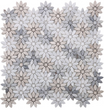
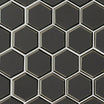
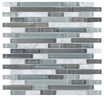
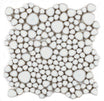
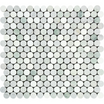
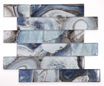

Shop Ceramic Tile by Color
Choosing a Ceramic Tile Color
Ceramic carries its colour in a glaze — a glass layer fired onto a clay biscuit — and that is why ceramic reaches colours porcelain rarely does. Deep greens, saturated blues, reactive and crackle glazes, and hand-dipped finishes where no two tiles are quite the same all come from the glaze rather than the body. The trade-off is that the colour is a surface, so a chipped edge shows the pale biscuit underneath. On a wall, where ceramic belongs, that almost never becomes an issue.
Finish changes a colour as much as the colour does. A glossy glaze bounces light and reads brighter; the same shade in matte reads deeper and softer.
Neutrals
White
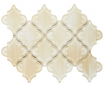
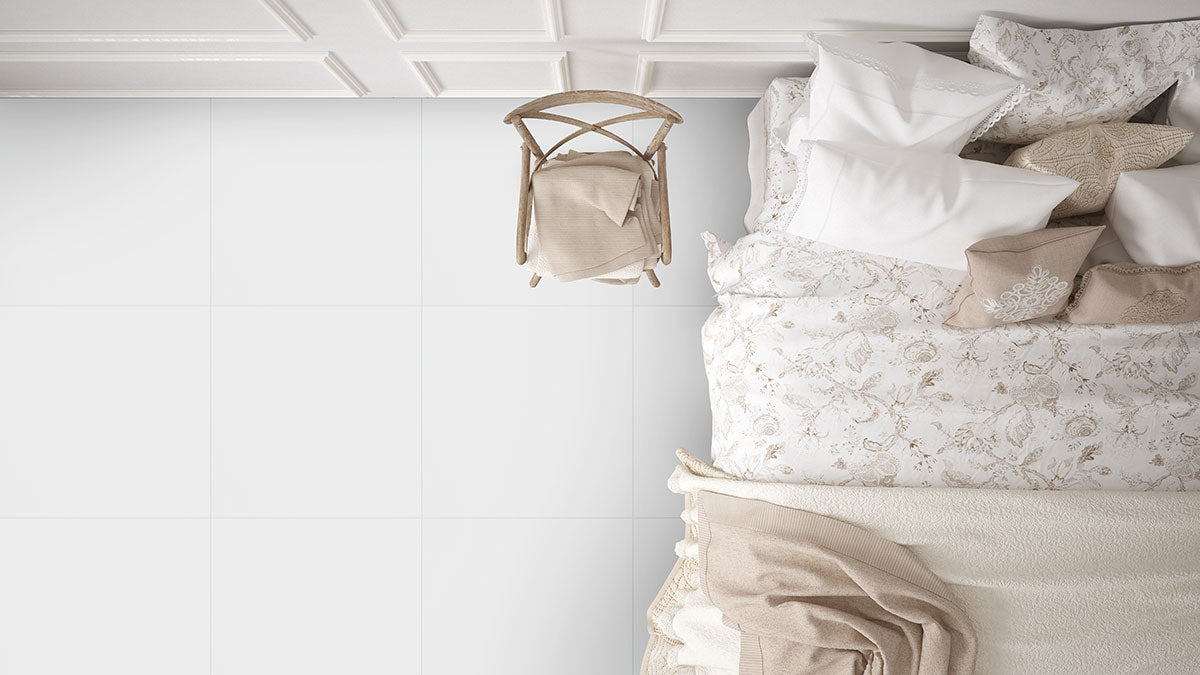
White ceramic tile is the most-sold tile in the world, and almost all of it is subway. Within white there is a wide spread: a bright optic white, a warm off-white, and crackle or handmade glazes that shift across the wall. With a white tile, the grout colour does most of the design work.
Gray and Beige
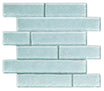
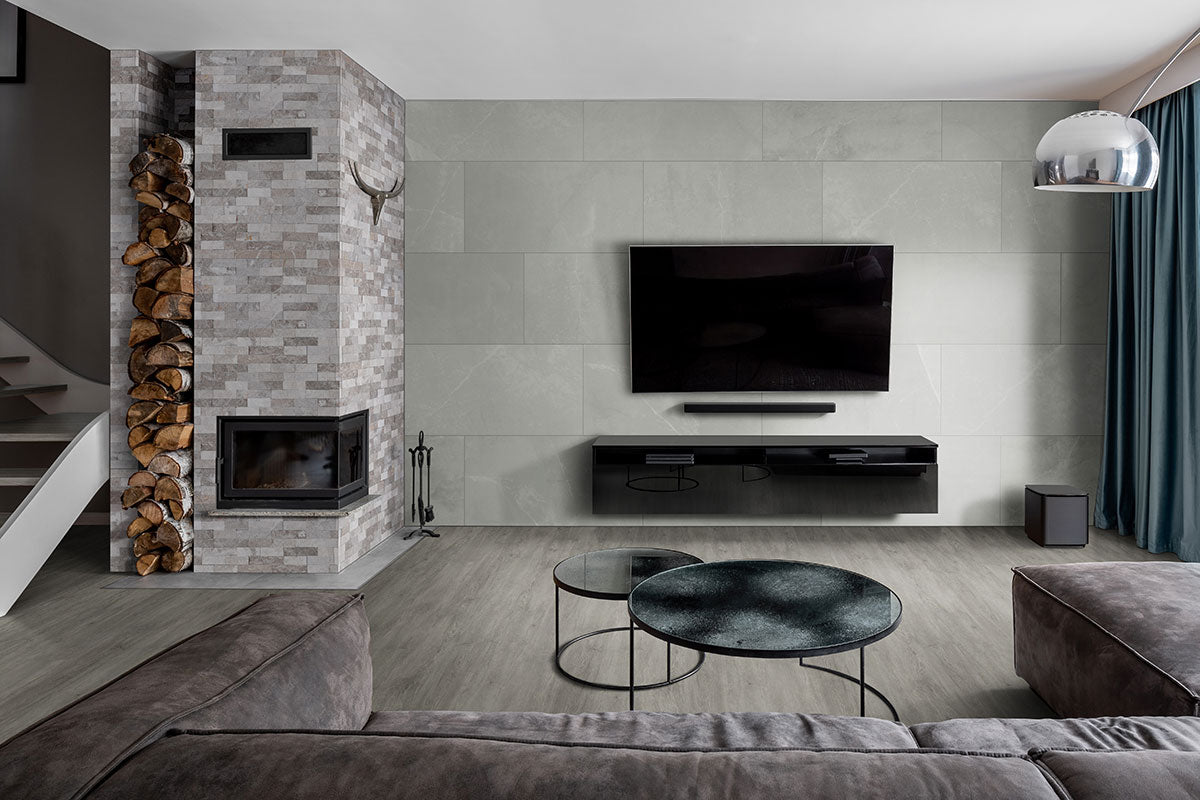
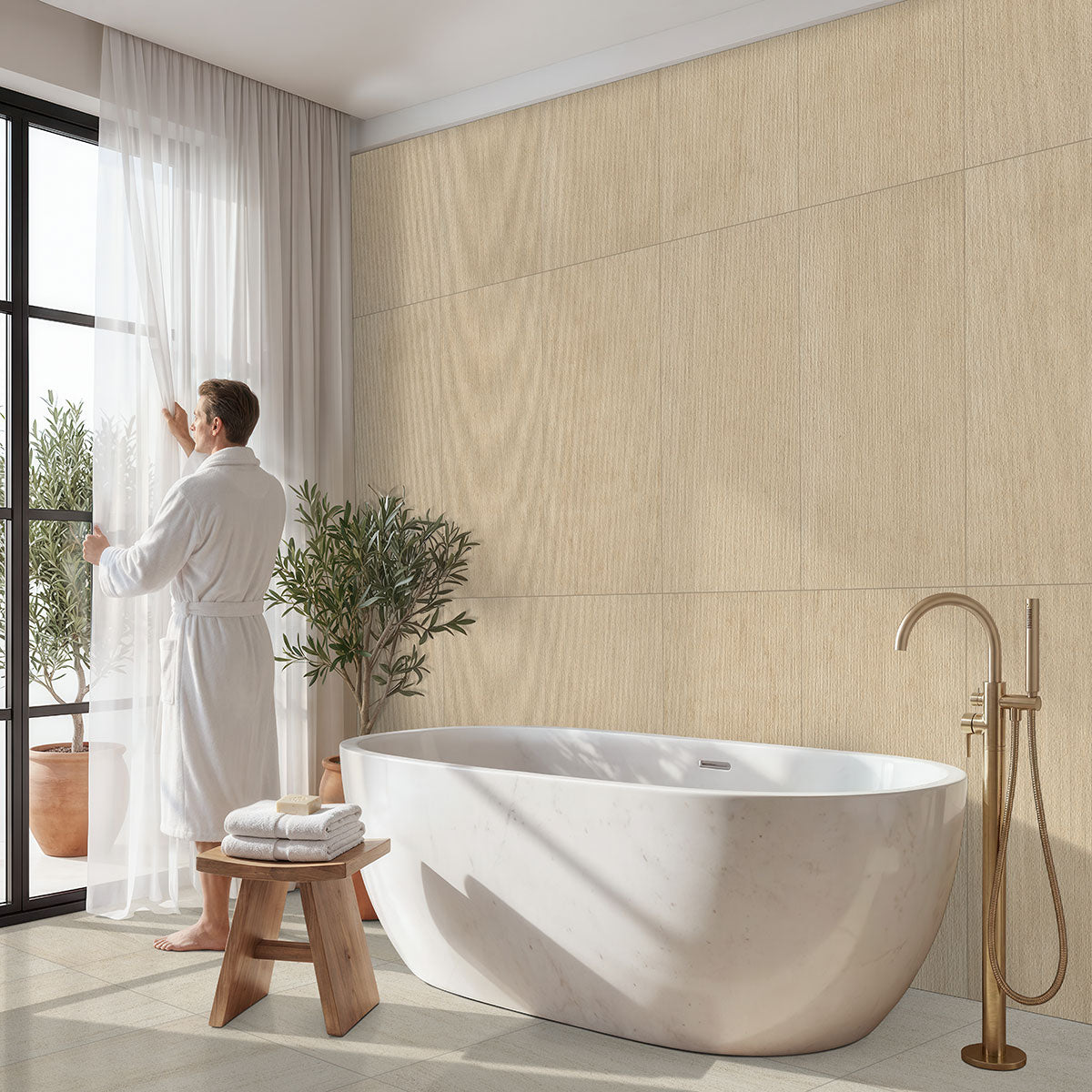
Gray ceramic tile is the safe modern neutral, and works with both warm timber and cool white cabinetry. Beige ceramic tile is the warmer alternative and is far more forgiving of hard water marks and splashes than a cool grey.
Brown
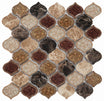
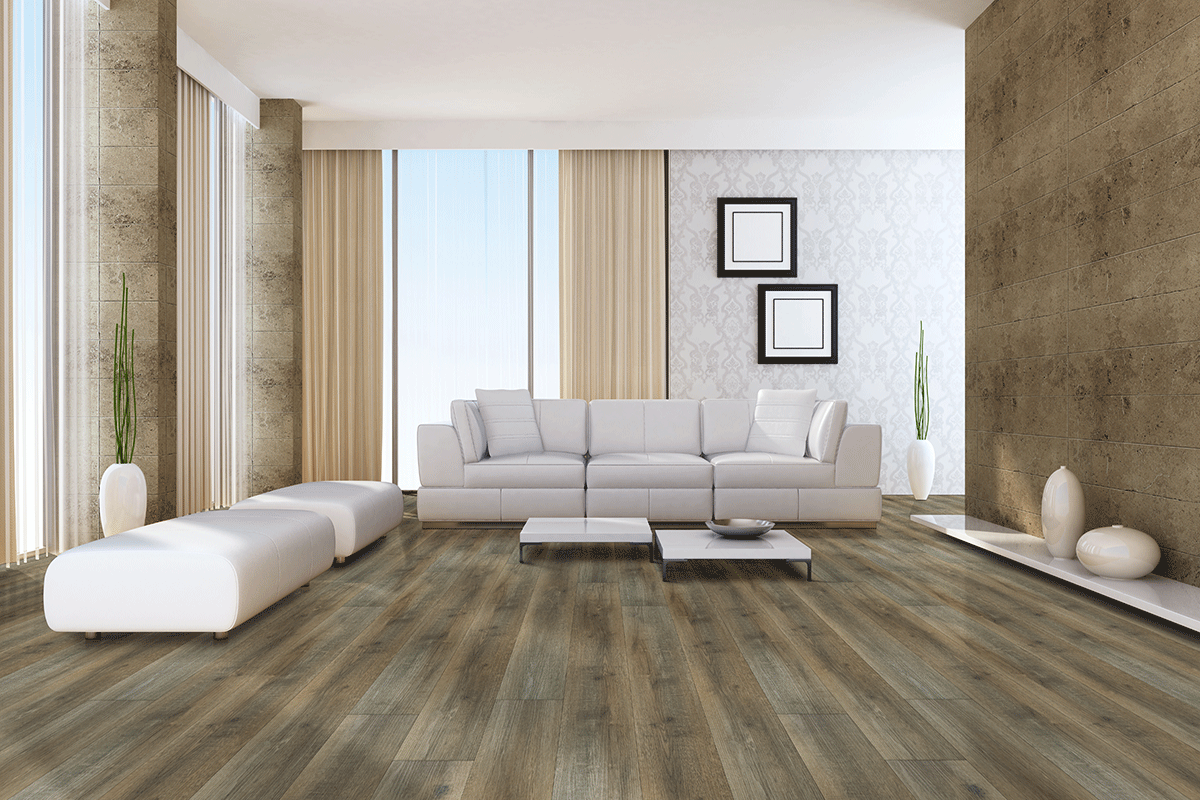
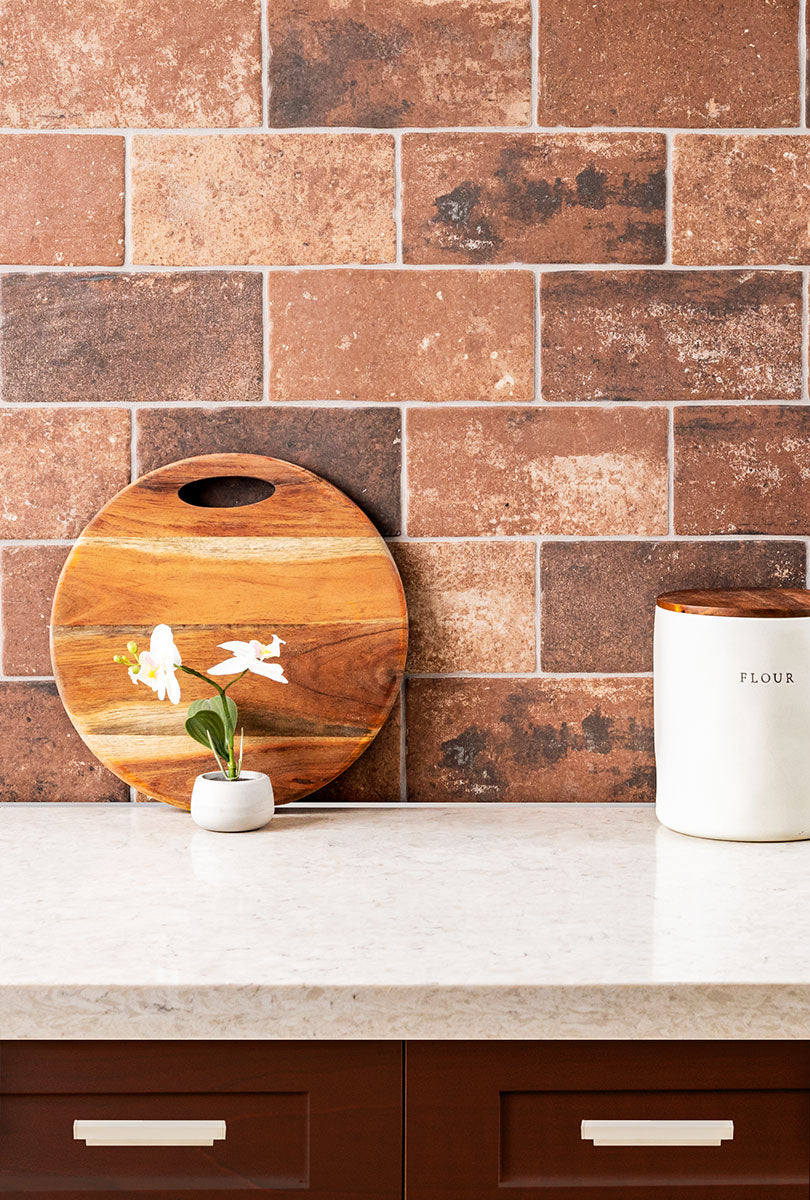
Brown ceramic tile covers terracotta-look, clay and warm earth glazes — the tones that read as handmade even when they are not.
Color
Black
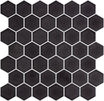
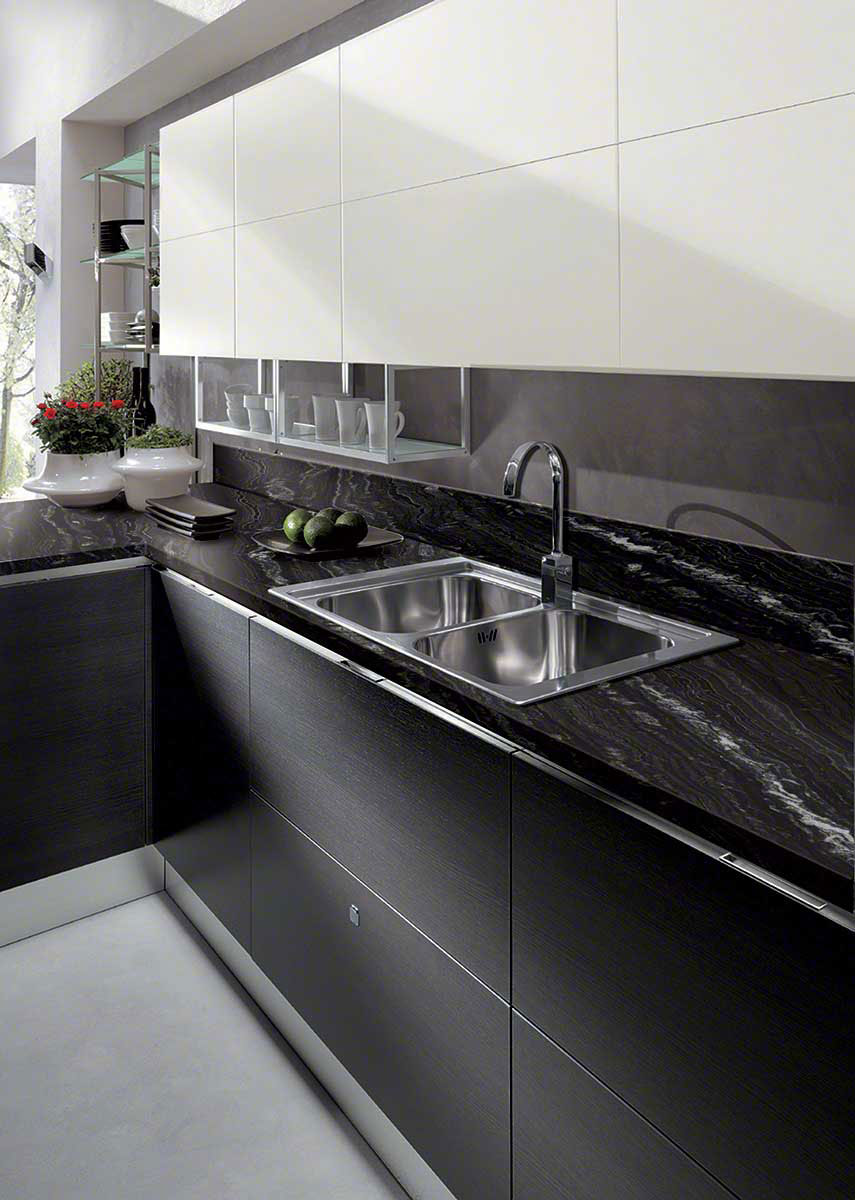
Black ceramic tile is most often used as a contrast rather than a whole room: a black backsplash against pale cabinets, or a black band in an otherwise white bathroom. Matte black hides water marks and fingerprints considerably better than gloss.
Green
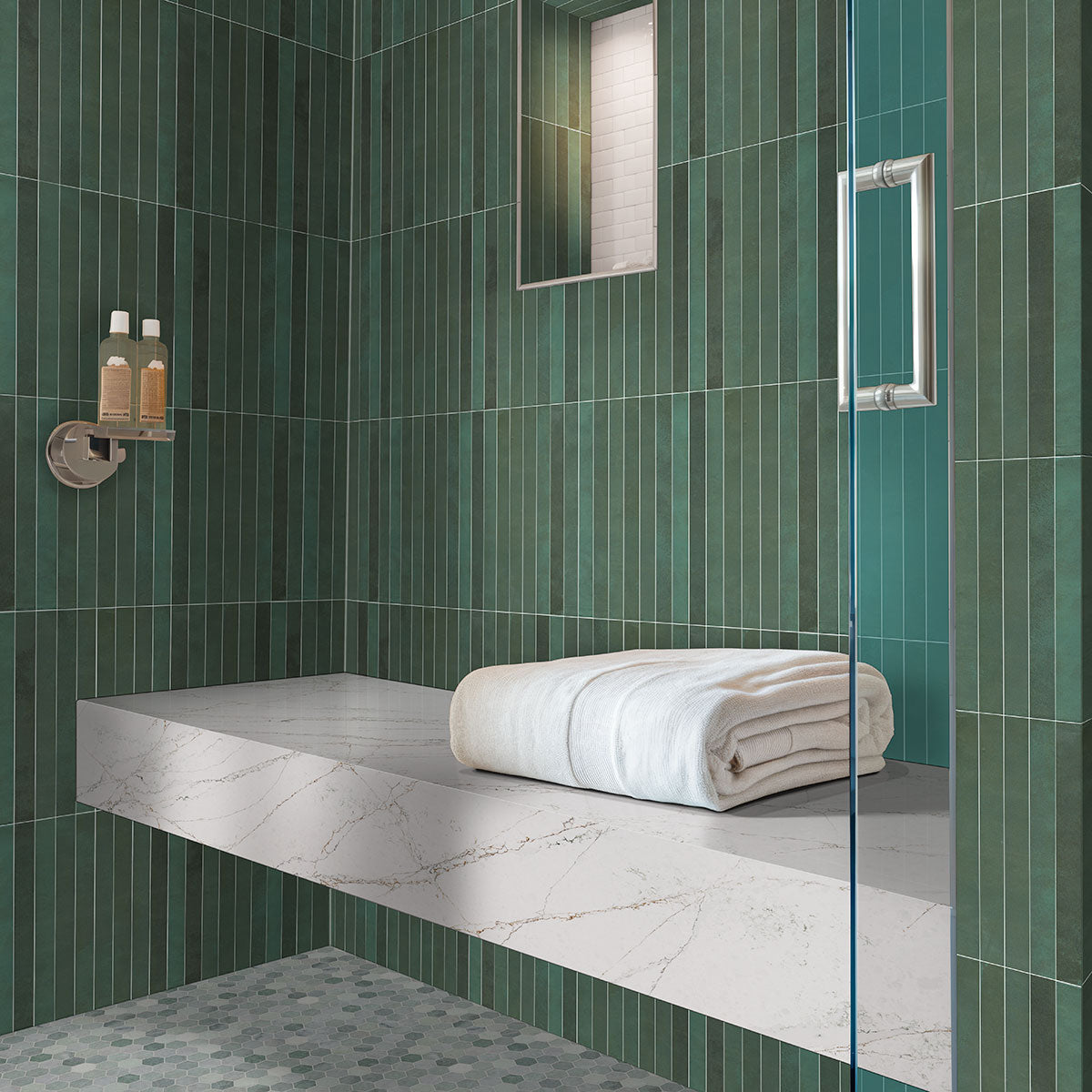
Green ceramic tile is where ceramic glazing really shows what it can do. Sage through to deep forest, often in a reactive or variegated glaze that changes across a wall, and it pairs particularly well with brass and unlacquered hardware. It has been the fastest-growing colour in kitchen backsplashes.
Blue
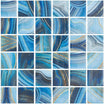
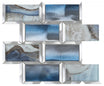
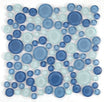
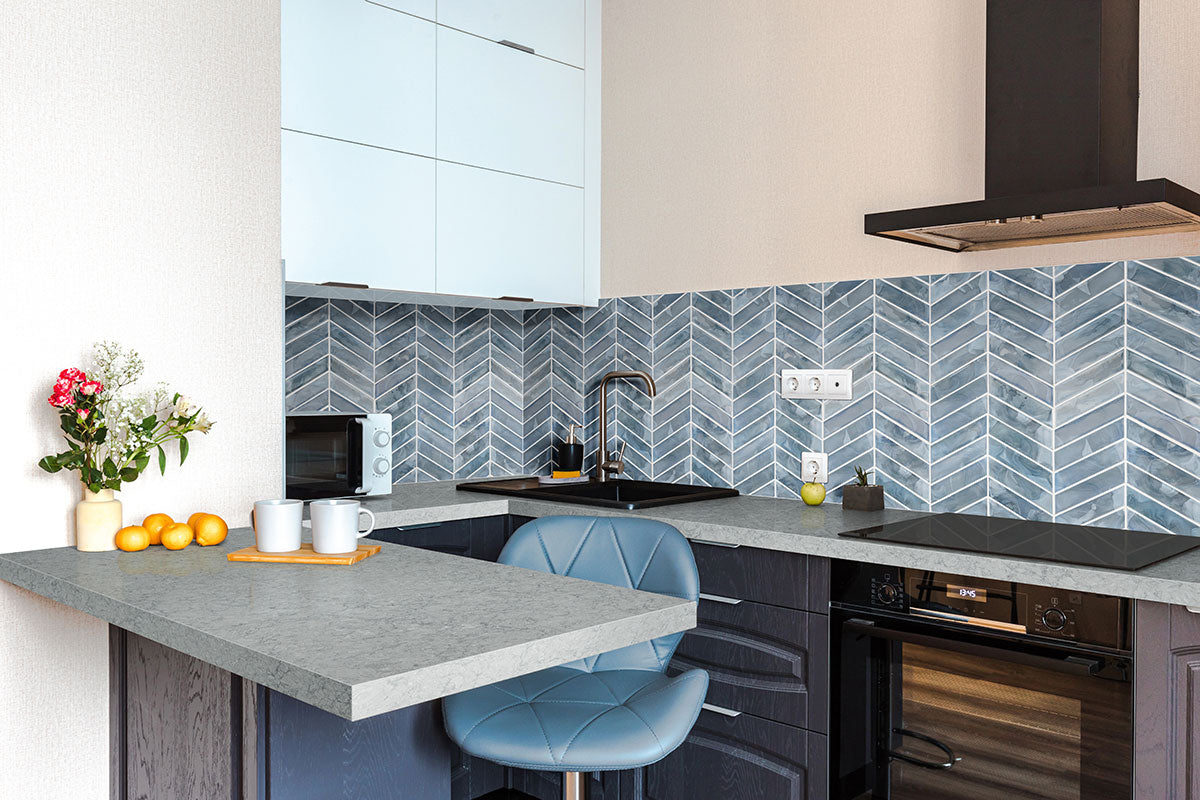
Blue ceramic tile runs from pale sea-glass through to deep navy and cobalt. Lighter blues open a small bathroom up; deep blues work best as a backsplash or a single feature wall where they get natural light.
Red
Red ceramic tile is specified almost entirely as an accent — a band, a niche, a small feature panel — and we hold it in feature and mosaic formats rather than full ranges.
Before You Order
- Order a sample. Reactive and crackle glazes in particular cannot be judged from a photograph — the variation between tiles is the product.
- Choose the grout at the same time. Matching grout makes a wall read as one surface; contrasting grout turns the same tile into a pattern. On white subway this single choice changes everything.
- See it in the room''s own light. A glaze under warm downlights is a different colour under north-facing daylight.
- Buy the whole job at once. Glaze batches shift between production runs, and a top-up box months later may not match.
Every colour is sold by the box with a per-square-foot calculator on the product page, so you can order exactly the coverage you need.
Free Design Consultation
Choosing the perfect tiles can be tricky. Speak with our experienced tile experts. We will guide you through selecting the best colors, patterns, and materials to match your style and needs.