

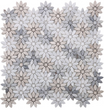
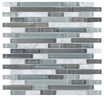
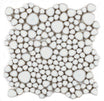
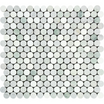
Shop Ceramic Tile by Pattern
Browse glazed ceramic tile by pattern — subway, hexagon, herringbone, basketweave and square. Pick a pattern to see the full range.
Ceramic Tile Patterns Explained
Ceramic is a wall-first material. It is fired at a lower temperature than porcelain and absorbs more water, which makes it lighter, easier to cut and considerably cheaper — and which is why it dominates backsplashes, bathroom walls and shower surrounds rather than floors. Check the rating before putting any ceramic on a floor; some ranges are suitable, many are not.
That wall-first bias shapes which patterns exist. Ceramic patterns are chosen for how they look at eye level, and for how easily they wipe clean.
Linear Patterns
Subway
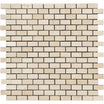
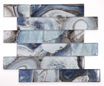
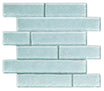
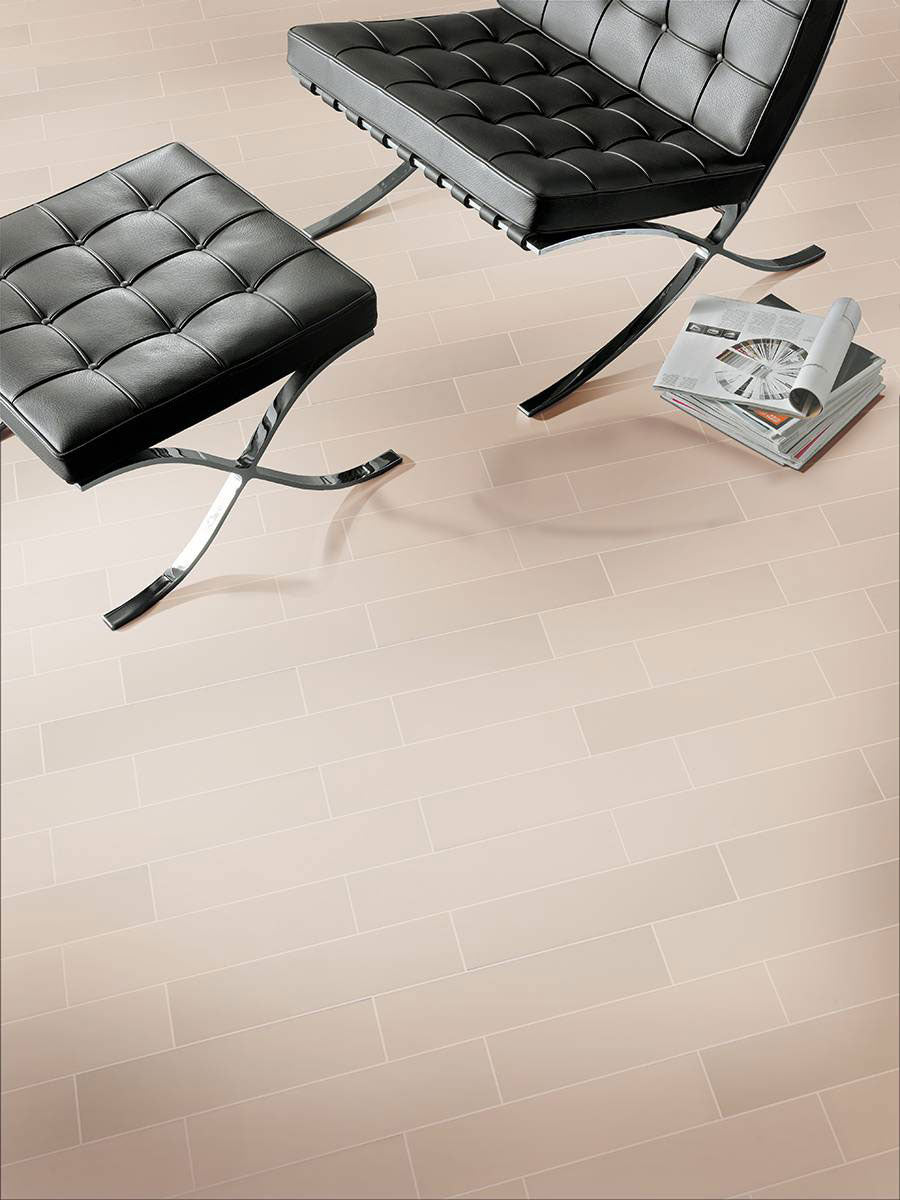
Ceramic subway tile is the original and still the most-specified wall tile there is. A half-brick offset is the classic; a vertical stack reads modern and makes a low ceiling feel taller; a third-offset forgives a wall that is not perfectly flat. Handmade and crackle-glazed subway carries visible variation from tile to tile, which is the point of it — if you want perfectly uniform, choose a machine-made glaze.
Square
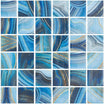
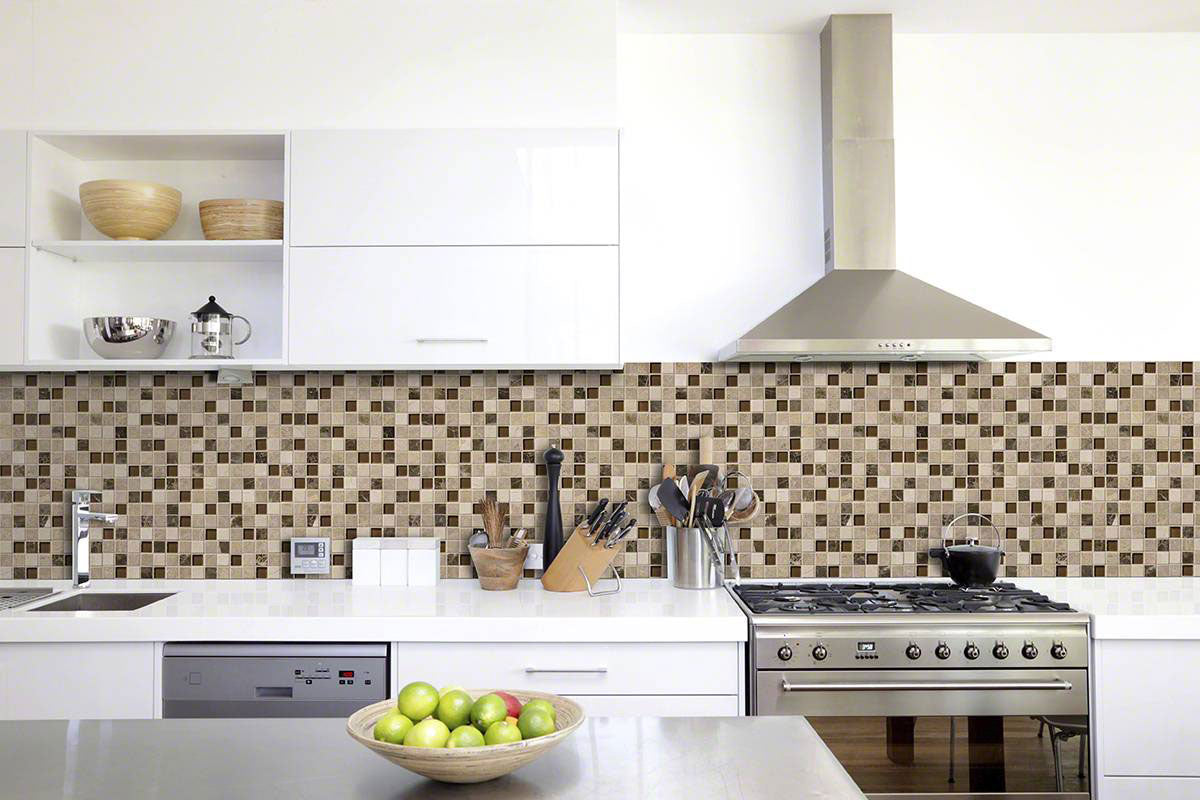
Square ceramic tile stacked in a grid gives the calmest possible wall, and is the pattern of choice when the glaze itself is the feature — a deep colour, a reactive finish, or a hand-glazed surface where no two tiles match.
Geometric Patterns
Hexagon
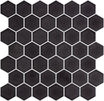
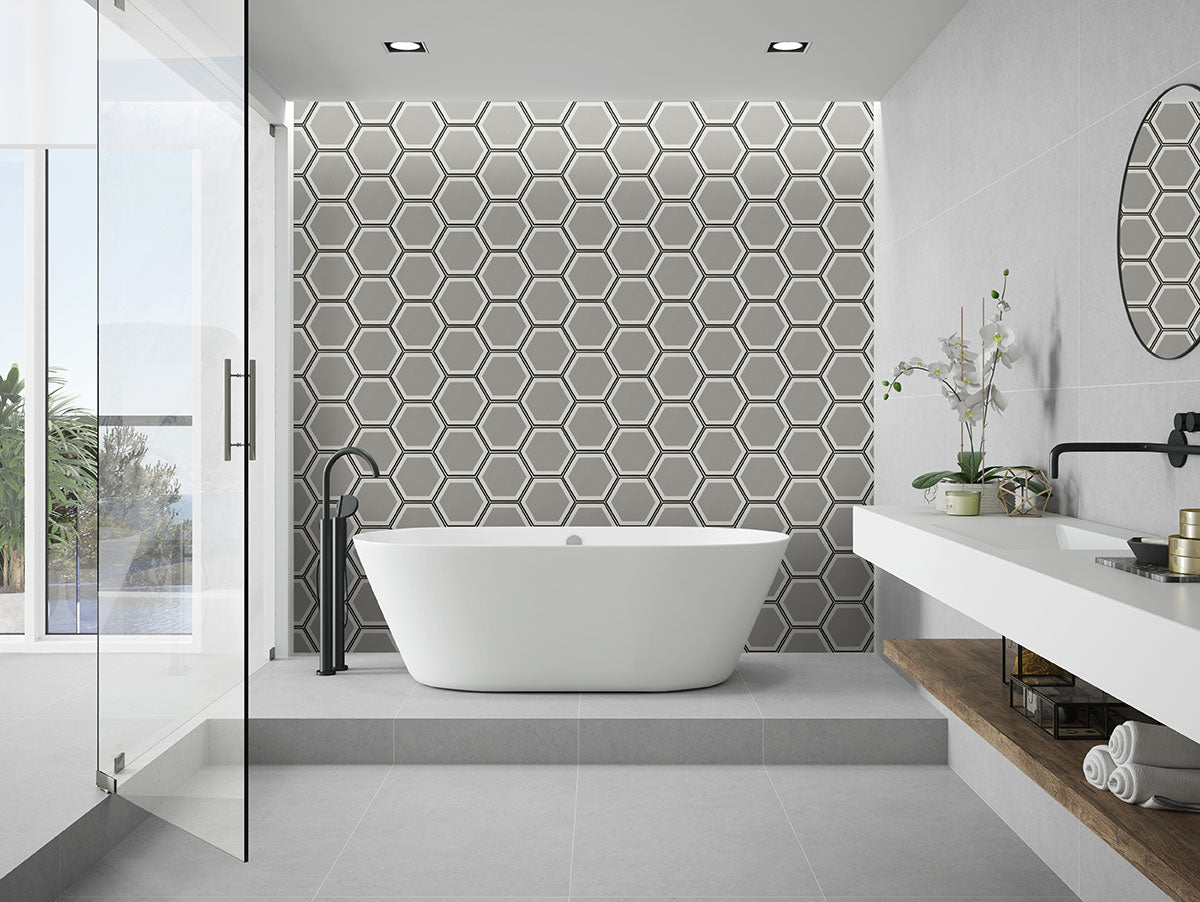
Hexagon ceramic tile works at two scales. Small hexes on a sheet make a fine-grained backsplash with a period feel. Large single hexes, 6 inch and above, read as a graphic wall and are often used behind a vanity or as a single feature panel.
Herringbone
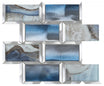
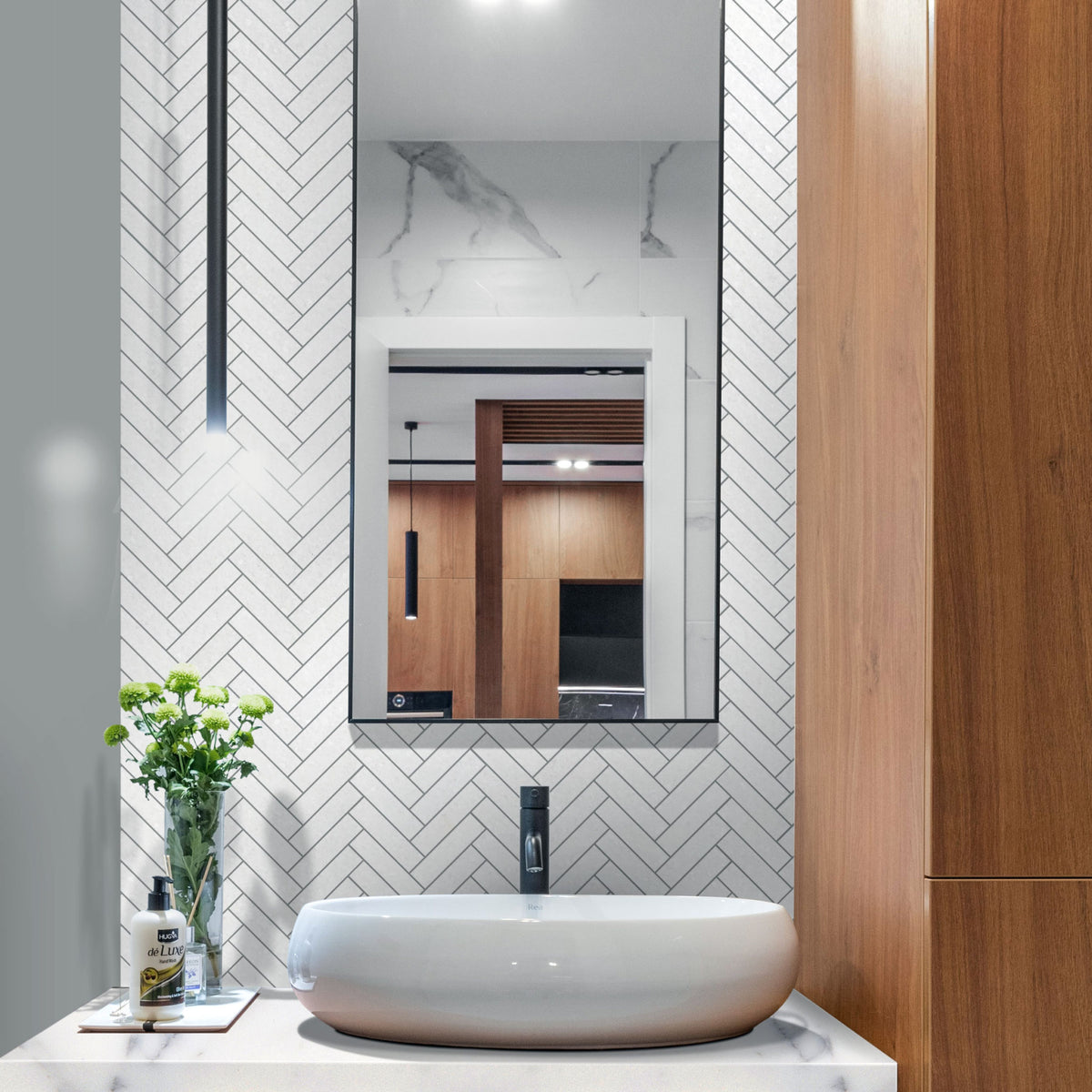
Herringbone ceramic tile takes an ordinary rectangle and turns it into the feature. On a backsplash it draws the eye up and makes a short run of wall feel intentional. Because ceramic cuts easily, herringbone is less punishing to install in ceramic than in porcelain or stone.
Basketweave
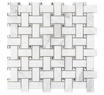
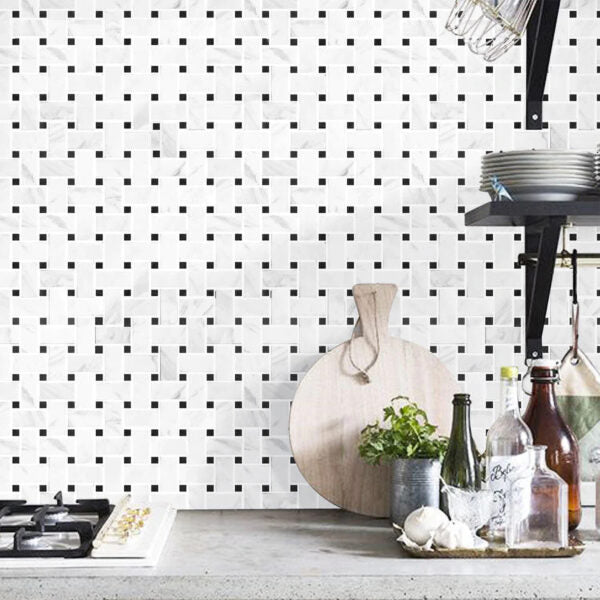
Basketweave ceramic tile alternates pairs of rectangles with a contrasting square. It is a heritage pattern, most at home in a period bathroom, and comes pre-assembled on mesh sheets so it goes up almost as fast as a plain tile.
Choosing a Pattern
- Kitchen backsplash — subway or herringbone. Both wipe clean easily and neither dates.
- Small bathroom — vertical stacked subway, to draw the eye upward.
- Period bathroom — basketweave or small hexagon, which is what was originally there.
- Feature wall or niche — a large hexagon or a bold glaze, where texture is the whole point.
- Uneven wall — a third-offset subway, which breaks the sightline that a half-brick offset exposes.
Every pattern is sold by the box with a per-square-foot calculator on the product page. Allow 10% over the measured area for a straight lay, and 15% for herringbone or anything on the diagonal.
Free Design Consultation
Choosing the perfect tiles can be tricky. Speak with our experienced tile experts. We will guide you through selecting the best colors, patterns, and materials to match your style and needs.