


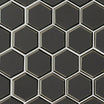
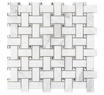
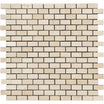
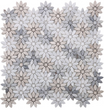
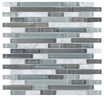
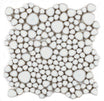
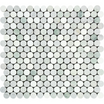
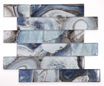

Shop Ceramic Tile by Room
Ceramic, Room by Room
Ceramic is a wall material first. It is fired at a lower temperature than porcelain, absorbs more water and is softer, which makes it lighter, easier to cut and cheaper — and which is exactly why it has owned backsplashes, bathroom walls and shower surrounds for a century. Some ceramic ranges are rated for residential floors; many are not, and the PEI rating on the product page is what settles it. PEI 3 is the minimum for a floor you walk on every day.
Kitchen
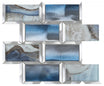
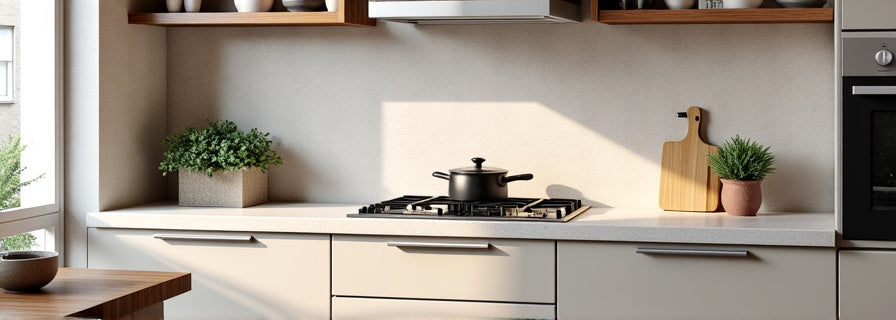
Ceramic kitchen tile means backsplash in almost every case, and it is the single best use of the material. A backsplash takes no foot traffic, so none of ceramic''s limitations apply, while its strengths — colour depth, glaze character, low cost per square foot — all count. A glossy glaze behind a hob wipes down faster than a textured one, and a run of subway or herringbone is the most forgiving layout to fit around outlets and a window.
Bathroom
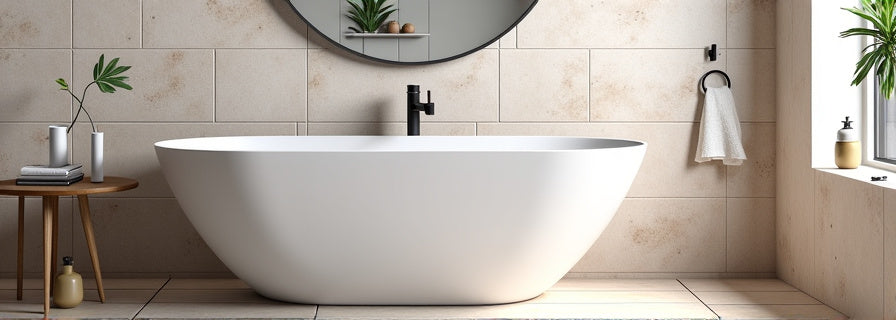
Ceramic bathroom tile belongs on the walls, where the glaze is impervious and the softer body never matters. Full-height ceramic behind a vanity or around a bath is the cheapest way to get a finished, wipeable room. For the bathroom floor, check the PEI rating carefully or move to porcelain, which is built for it.
Shower
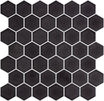
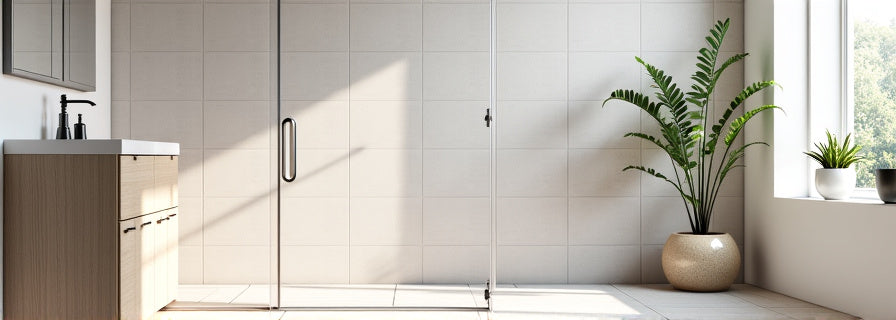
Ceramic shower tile is a wall answer, not a floor one. Glazed ceramic on shower walls has been standard practice for decades: the glaze is impervious, and it is the waterproofing behind the tile, not the tile itself, that keeps water out of the structure. For the shower floor use a rated mosaic — hexagon or penny round — so the sheet follows the fall to the drain and the grout joints supply the grip.
Quick Reference
- Kitchen backsplash — any glazed ceramic. Gloss wipes fastest behind a hob.
- Bathroom walls — any glazed ceramic, full height.
- Shower walls — any glazed ceramic; the waterproofing behind the tile does the sealing.
- Any floor — check PEI 3 or above, or choose porcelain instead.
Everything is sold by the box with a per-square-foot calculator on the product page, so you can order the exact coverage plus a cutting allowance.
Free Design Consultation
Choosing the perfect tiles can be tricky. Speak with our experienced tile experts. We will guide you through selecting the best colors, patterns, and materials to match your style and needs.