


Shop Natural Stone by Pattern
Browse natural stone tile by the shape it is cut and laid in - herringbone, hexagon, basketweave, subway and more. Pick a pattern to see the full range.
Natural Stone Tile Patterns Explained
A pattern is the shape the stone is cut to and the way those pieces are arranged. In natural stone most patterns arrive pre-assembled on a mesh-backed mosaic sheet, so a complex layout like herringbone or basketweave installs almost as quickly as a plain square tile. Larger formats are cut as individual pieces and set out on site.
Every pattern below is available in marble, and many in travertine, limestone and slate.
Geometric Patterns
Herringbone and Chevron
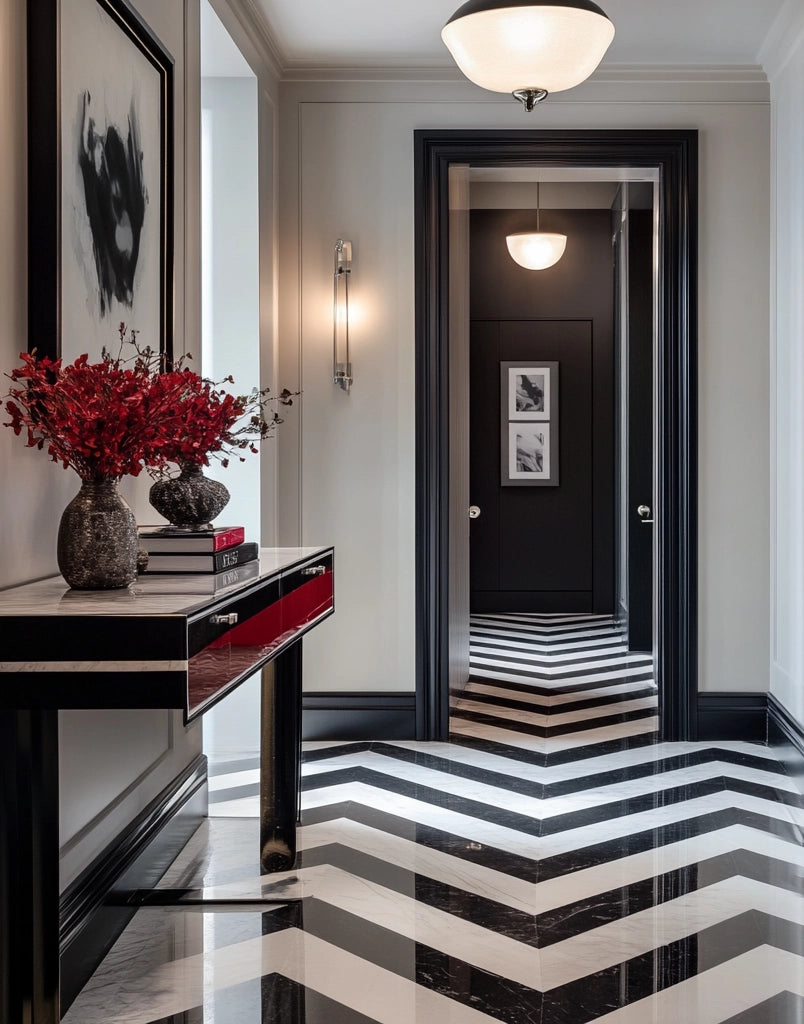
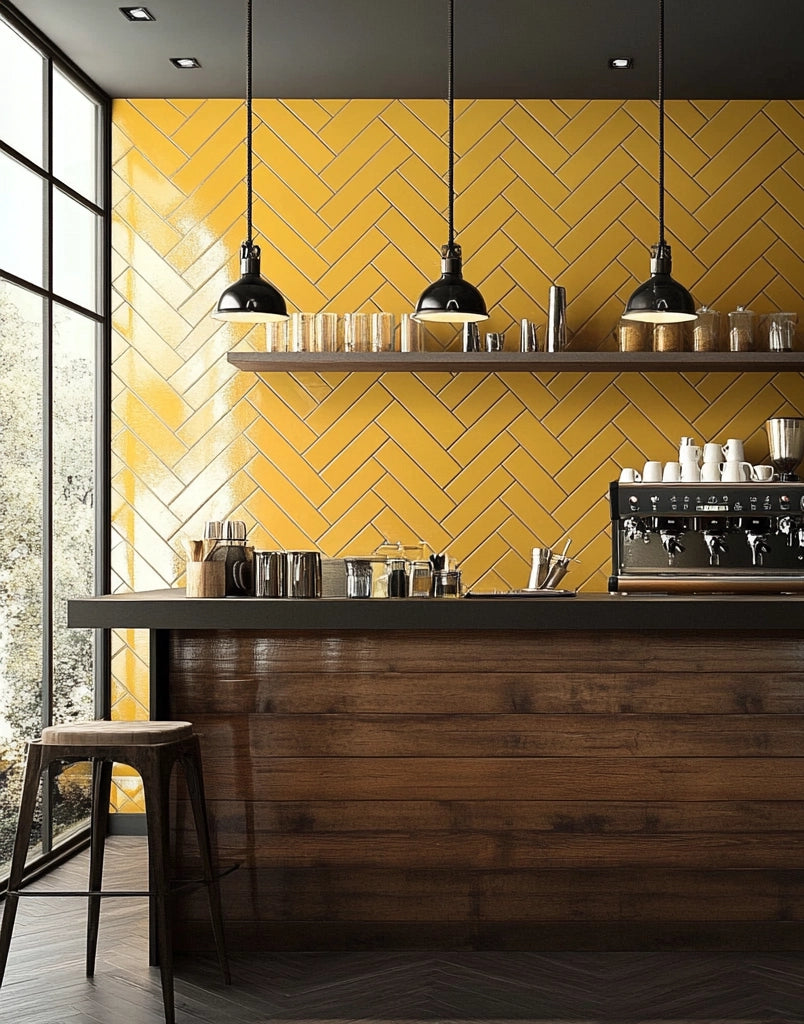
Herringbone marble tile sets rectangles at 90 degrees to each other in a staggered zigzag, and is the pattern most often used to make a narrow room read wider. Chevron marble tile looks similar at a glance but the pieces are cut at an angle so the points meet in a continuous V. Chevron is the more formal of the two and costs more, because of the mitred cut.
Hexagon and Octagon
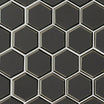
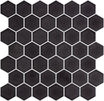
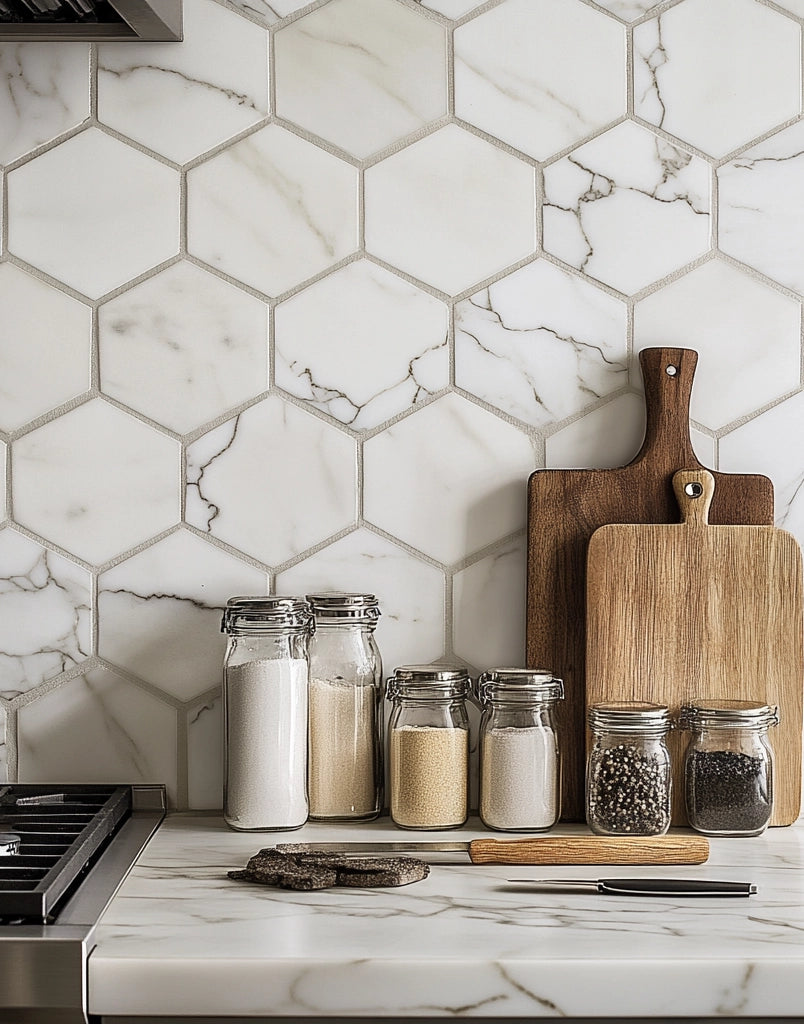
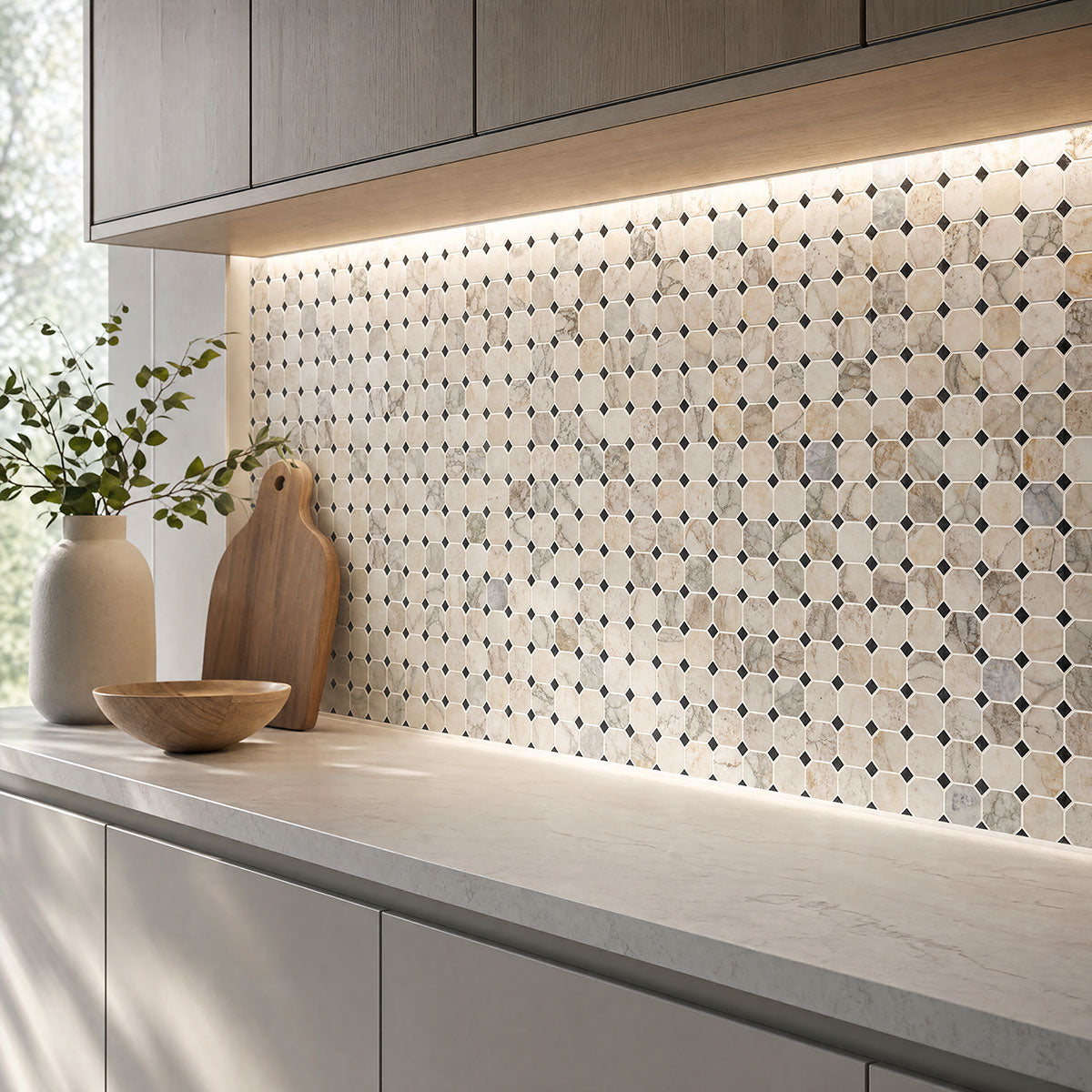
Hexagon marble tile is the workhorse of stone mosaics — small hexagons grip well underfoot, which is why they remain the default for shower floors. Octagon tile pairs an octagon with a small contrasting dot at each junction, a period detail found in Victorian and Edwardian bathrooms and still the quickest way to make a new floor look original.
Basketweave
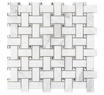
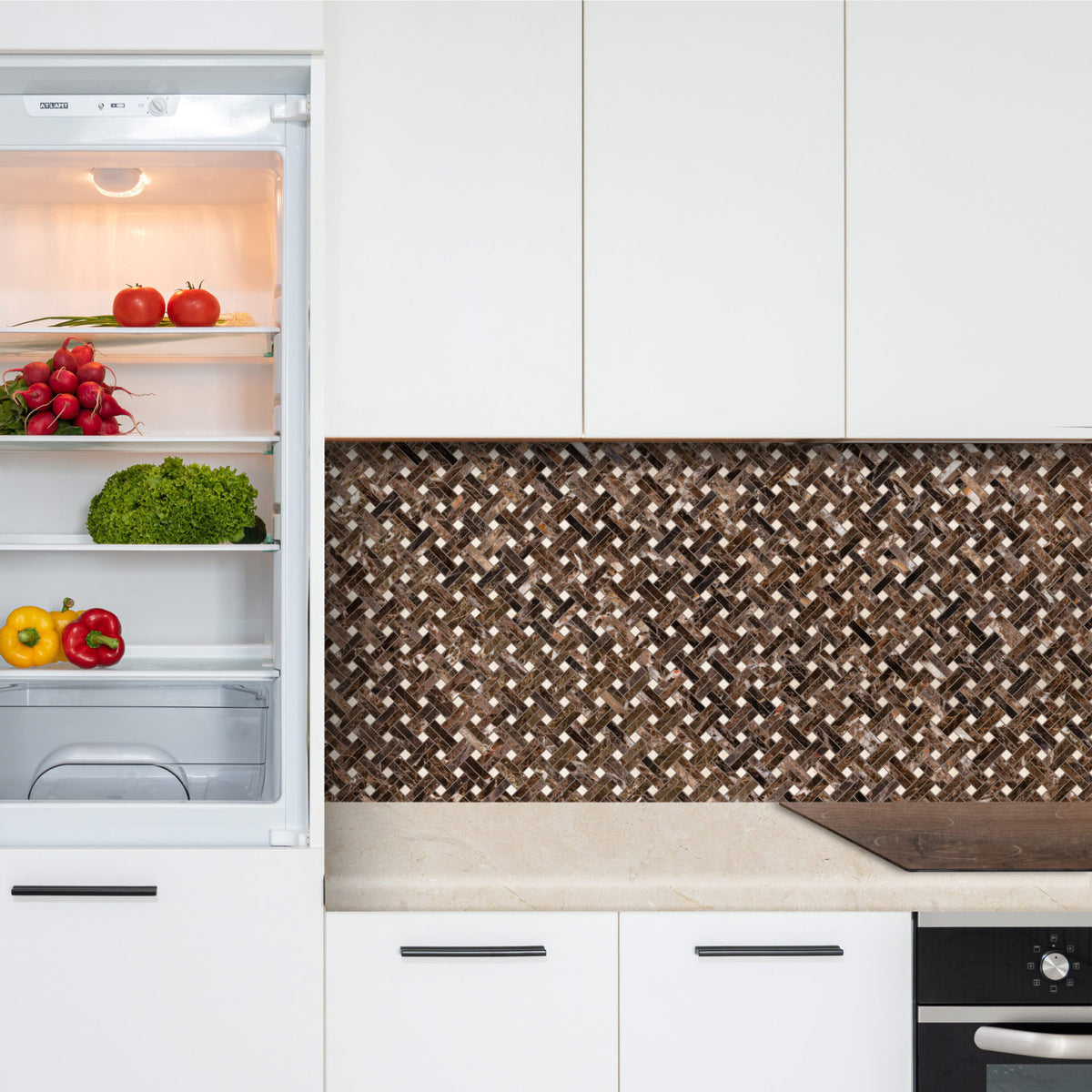
Basketweave tile alternates pairs of rectangles with a contrasting square, giving a woven appearance. It is a traditional bathroom floor pattern and works particularly well in marble, where the contrasting dot picks up a second stone colour.
Linear Patterns
Subway and Square
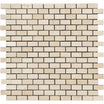
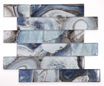
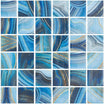
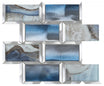
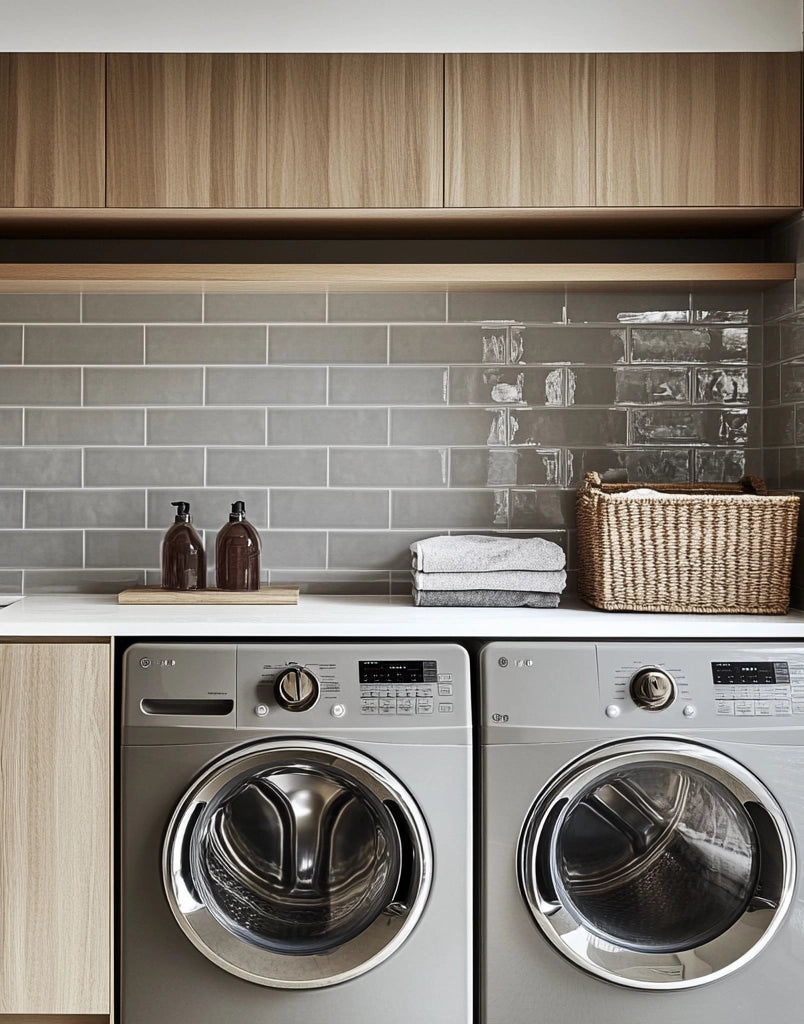
Marble subway tile takes the familiar brick-laid rectangle and renders it in stone, so it keeps the simplicity of subway while adding veining. Square stone tile is the plainest option and the one that lets a dramatic stone speak for itself.
Random Linear
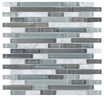
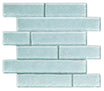
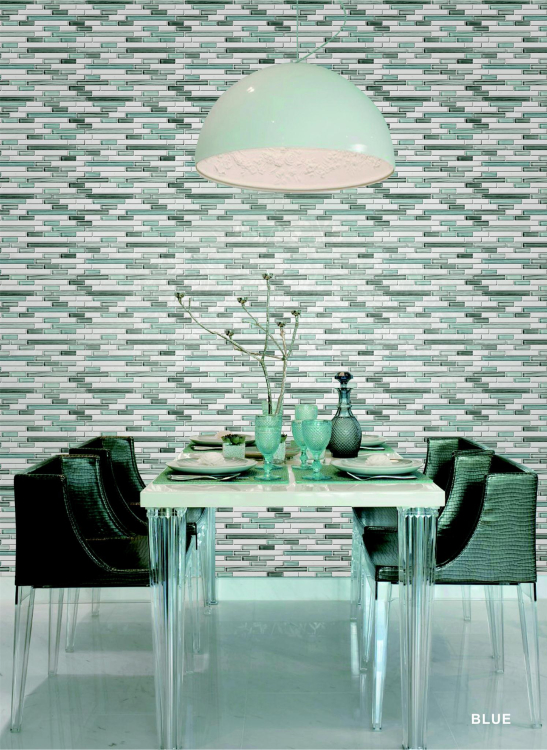
Random linear mosaics mix strip lengths and sometimes thicknesses within one sheet. Because the joints never line up, this pattern is very good at hiding an uneven substrate and at breaking up a long wall.
Organic and Rounded Patterns
Pebble
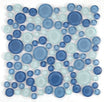
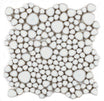
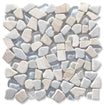
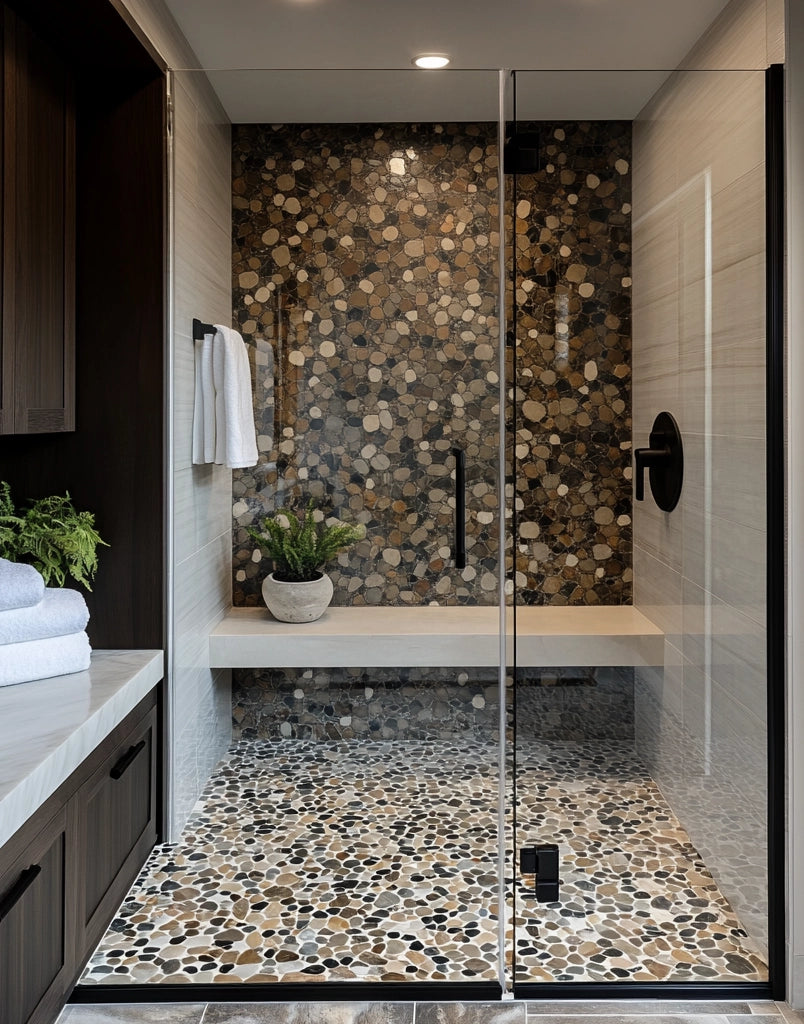
Pebble tile uses tumbled stones set on mesh. The many small grout joints give it real grip, making it a common choice for shower floors and wet rooms, and it conforms to a sloped drain far more easily than a rigid tile.
Penny Round
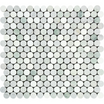
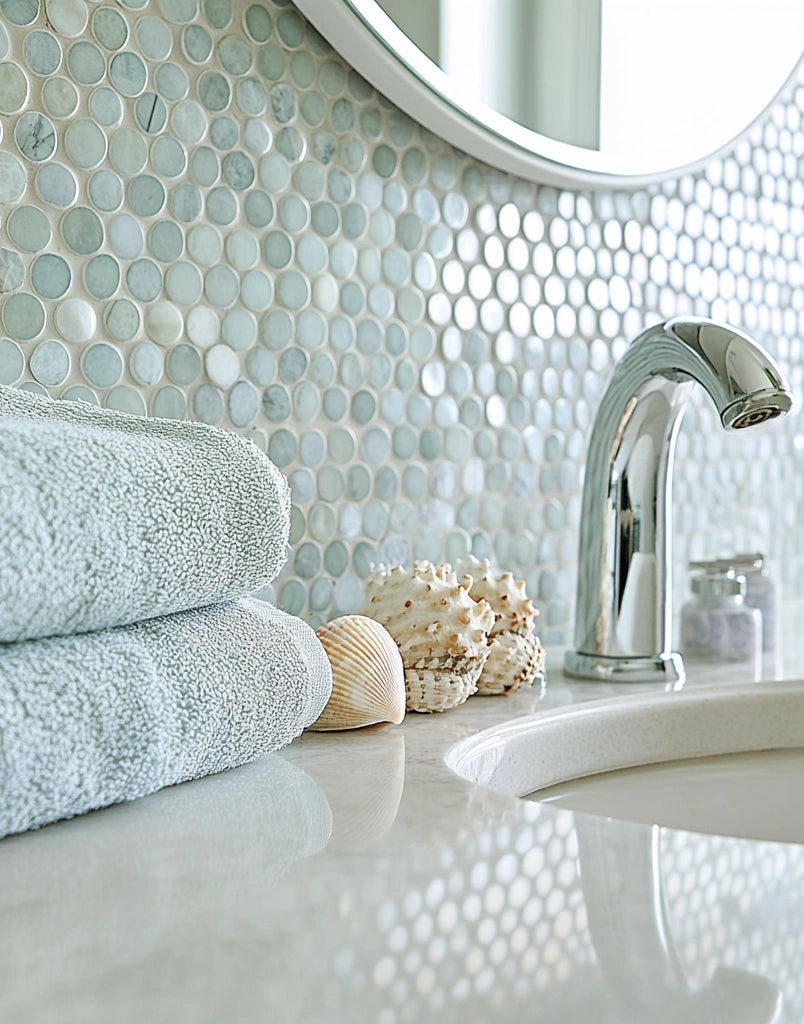
Penny round tile is a field of small circles. Like hexagon it is slip-resistant thanks to the density of grout lines, and it reads softer than any angular pattern.
Decorative Blends and Borders
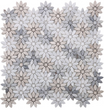
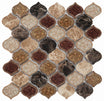
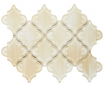
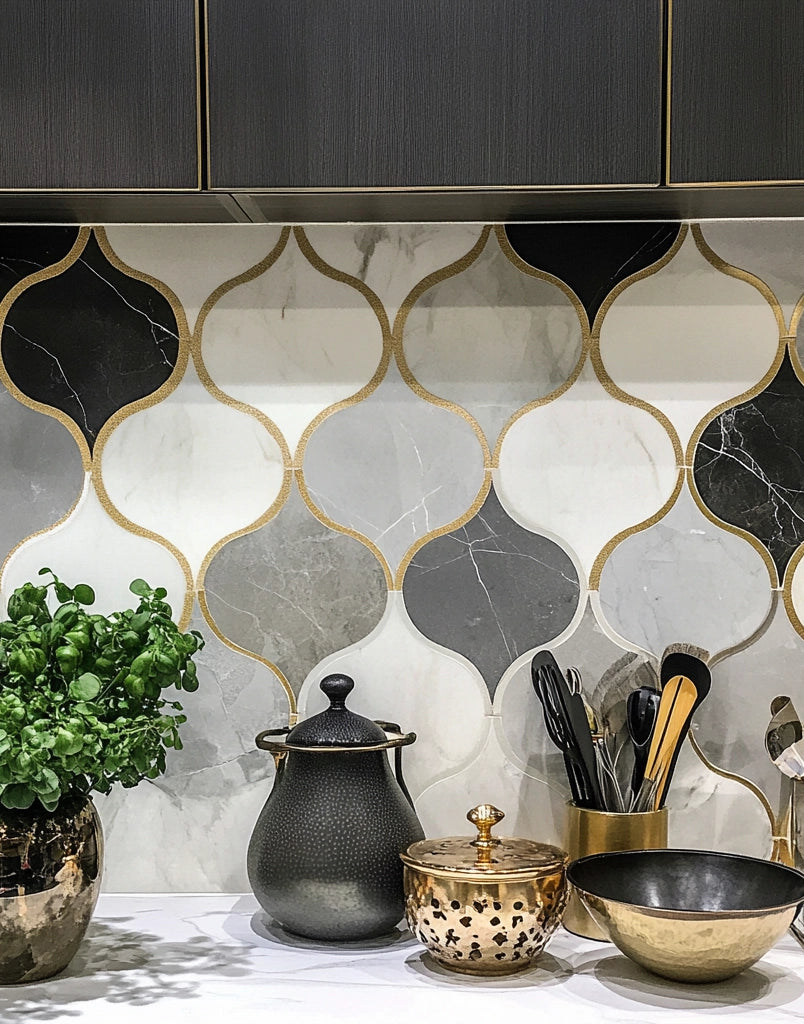
Decorative blends combine shapes, stones or finishes in one sheet — arabesque, picket, mixed-stone waterjet designs. They are normally used as a feature rather than over a whole room: a backsplash, a niche, or a band set into plain field tile.
Choosing a Pattern for Your Space
- Small floors and showers — hexagon, penny round or pebble. Small pieces mean more grout, which means more grip and an easier fall to the drain.
- Making a room look longer or wider — herringbone or chevron, run along the direction you want to emphasise.
- Busy, heavily veined stone — keep to square or subway. A strong pattern fights a strong vein.
- Plain, quiet stone — basketweave, octagon or a decorative blend adds the interest the stone lacks.
Bear in mind that the more complex the pattern, the more cuts at the perimeter, so allow extra material. A 10% overage is enough for square and subway; allow 15% for herringbone, chevron and anything hexagonal.
Free Design Consultation
Choosing the perfect tiles can be tricky. Speak with our experienced tile experts. We will guide you through selecting the best colors, patterns, and materials to match your style and needs.