

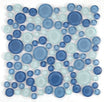
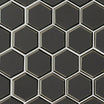
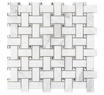
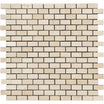
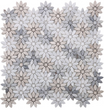
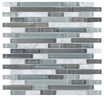
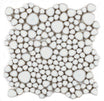
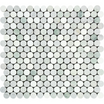
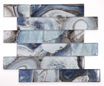
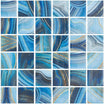
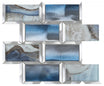
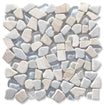
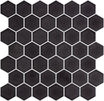
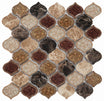
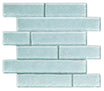

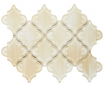
Shop Glass Tile by Color
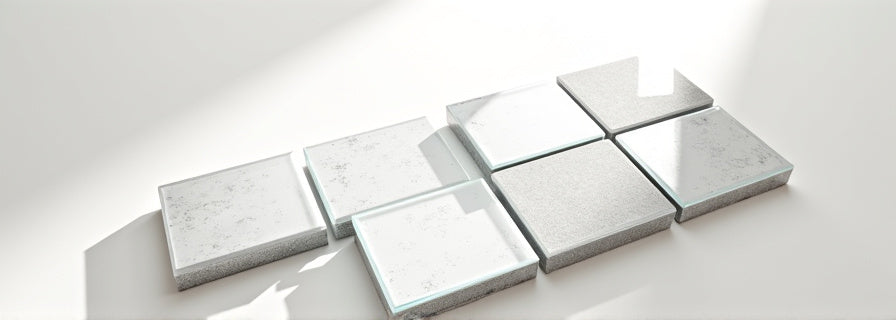
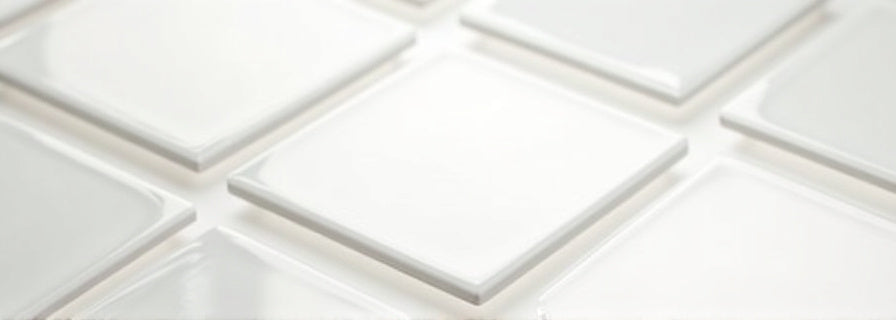
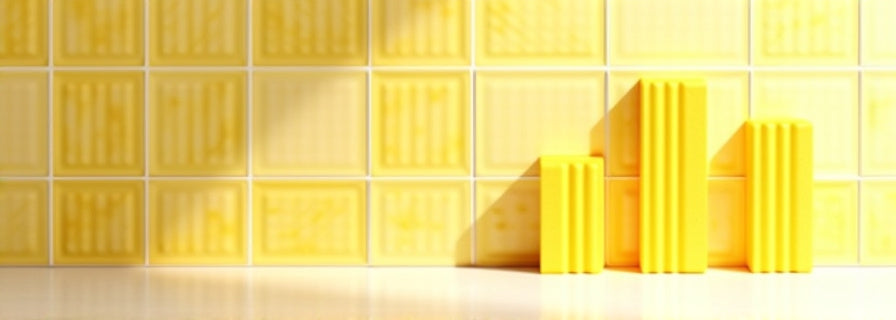
258 products
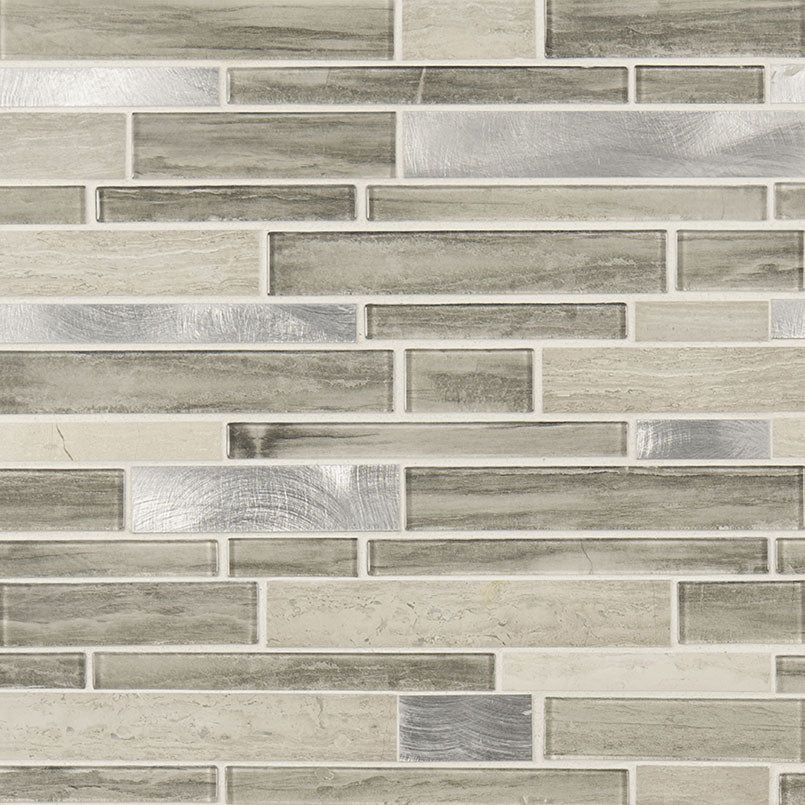
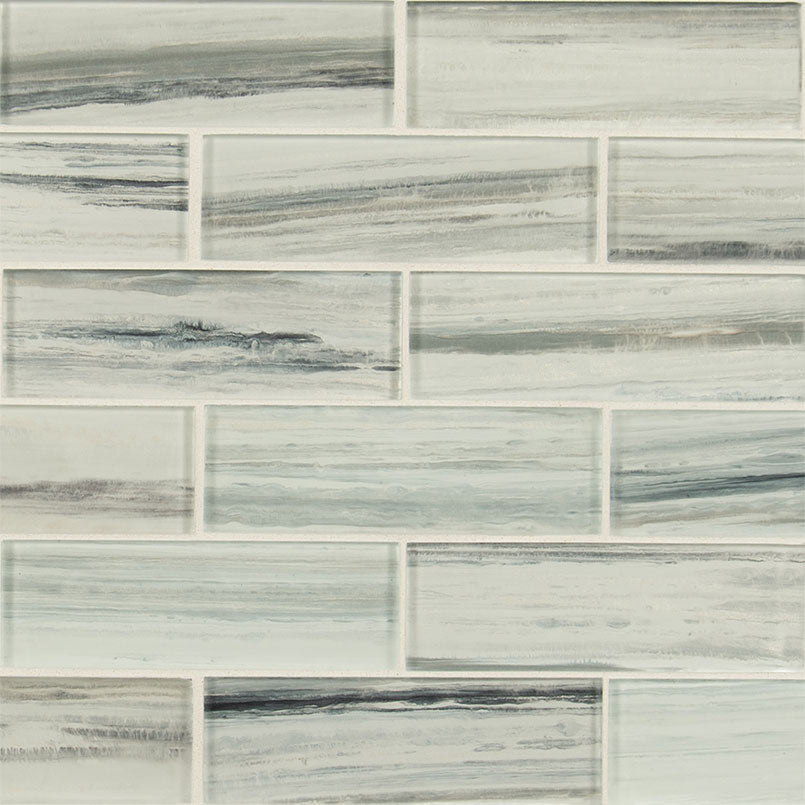
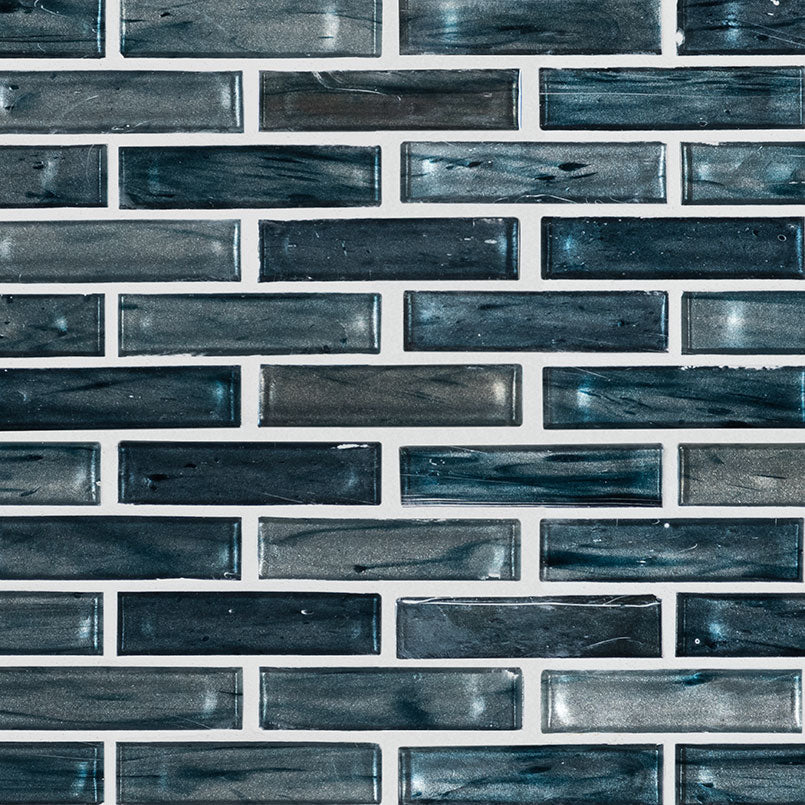
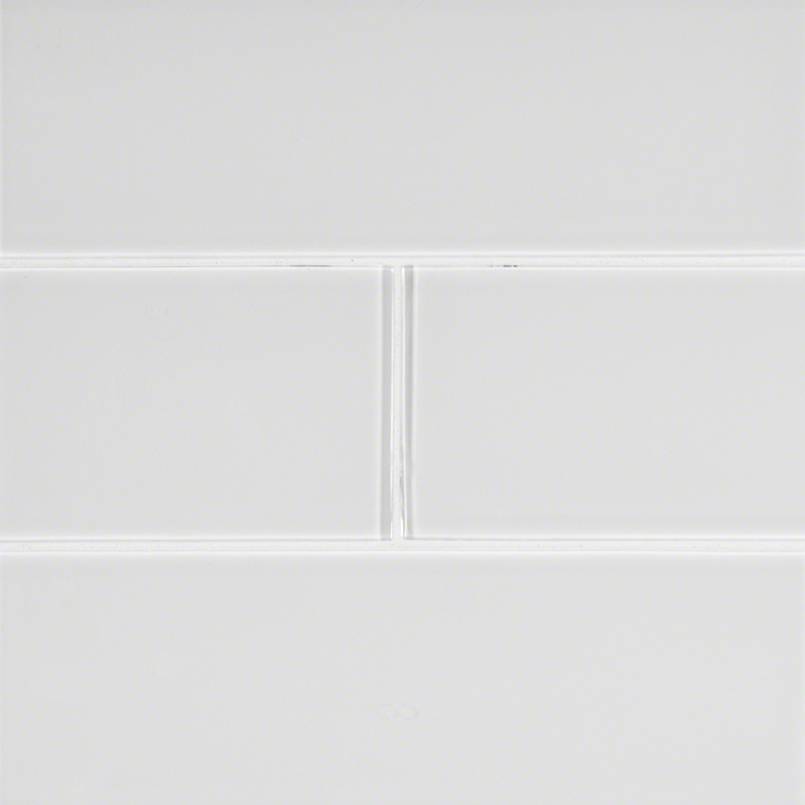
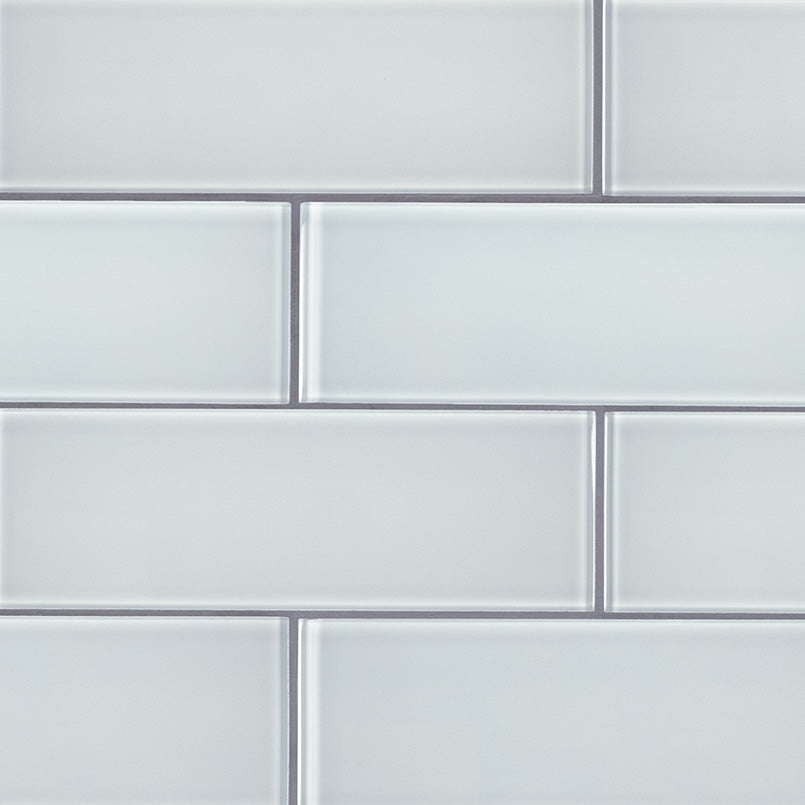
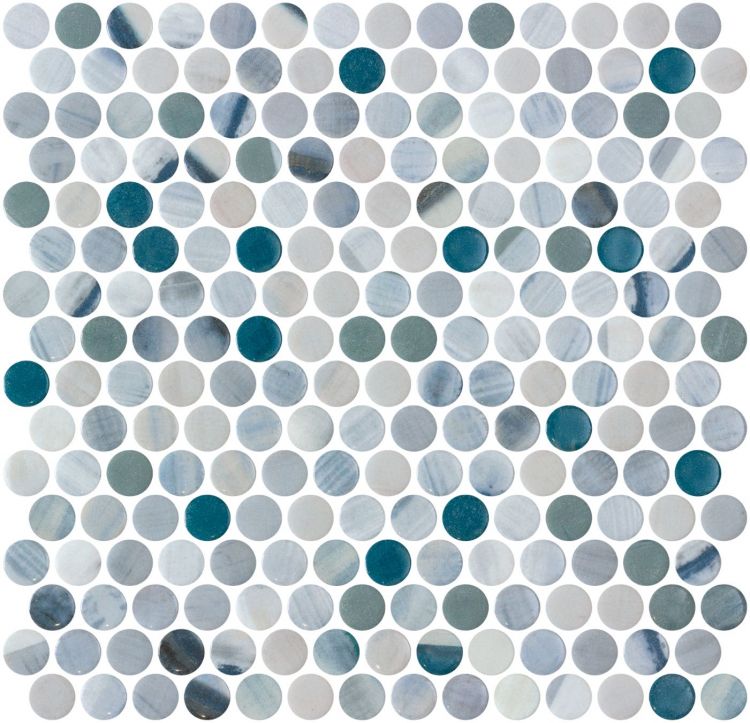
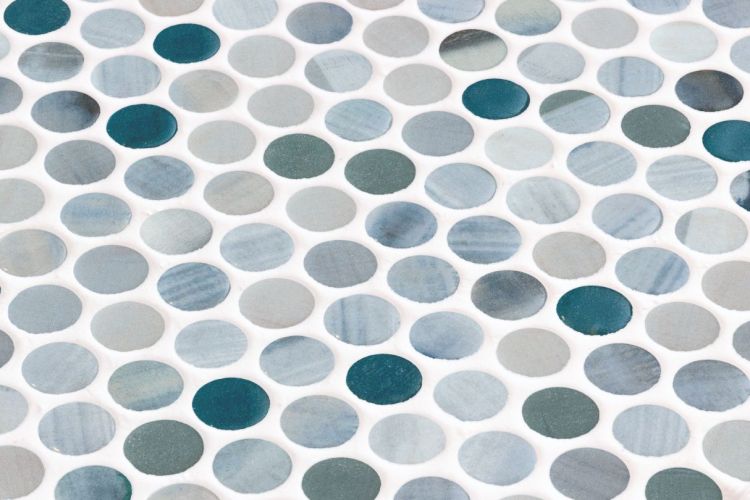
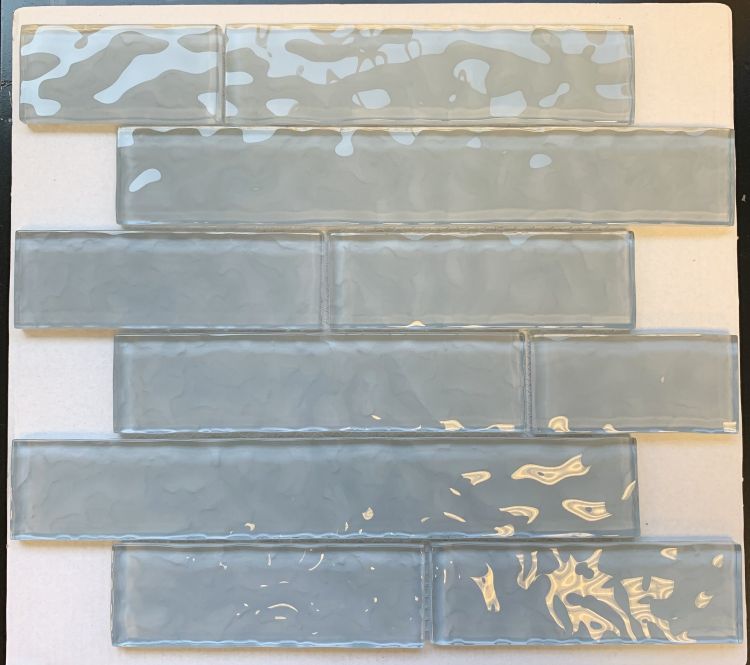
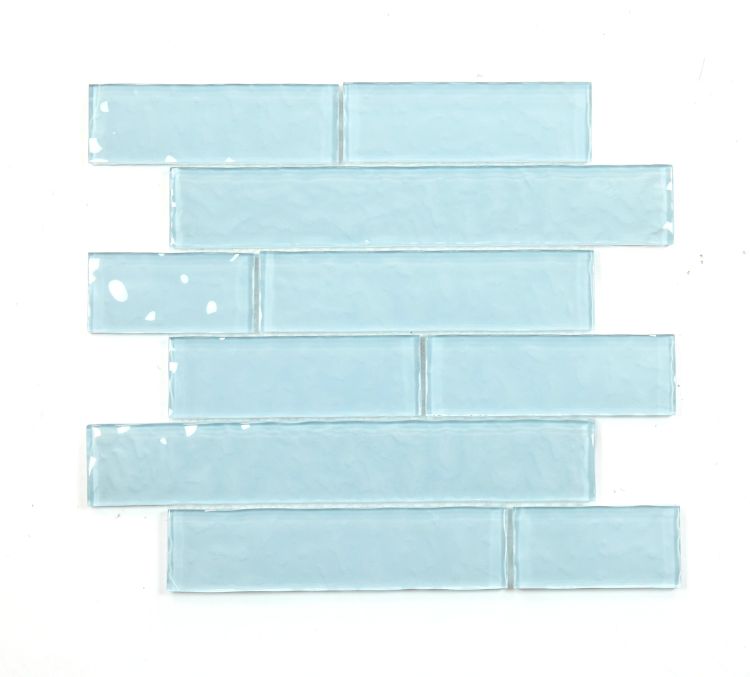
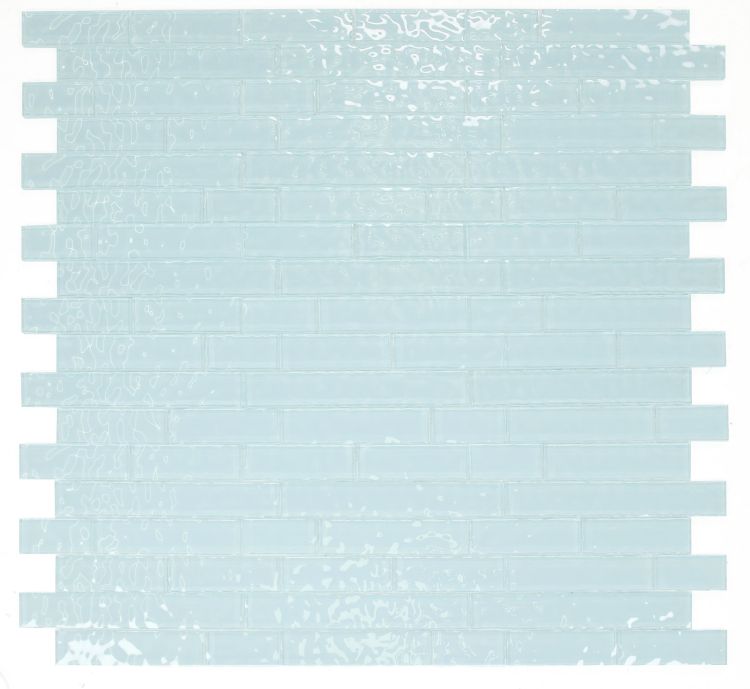
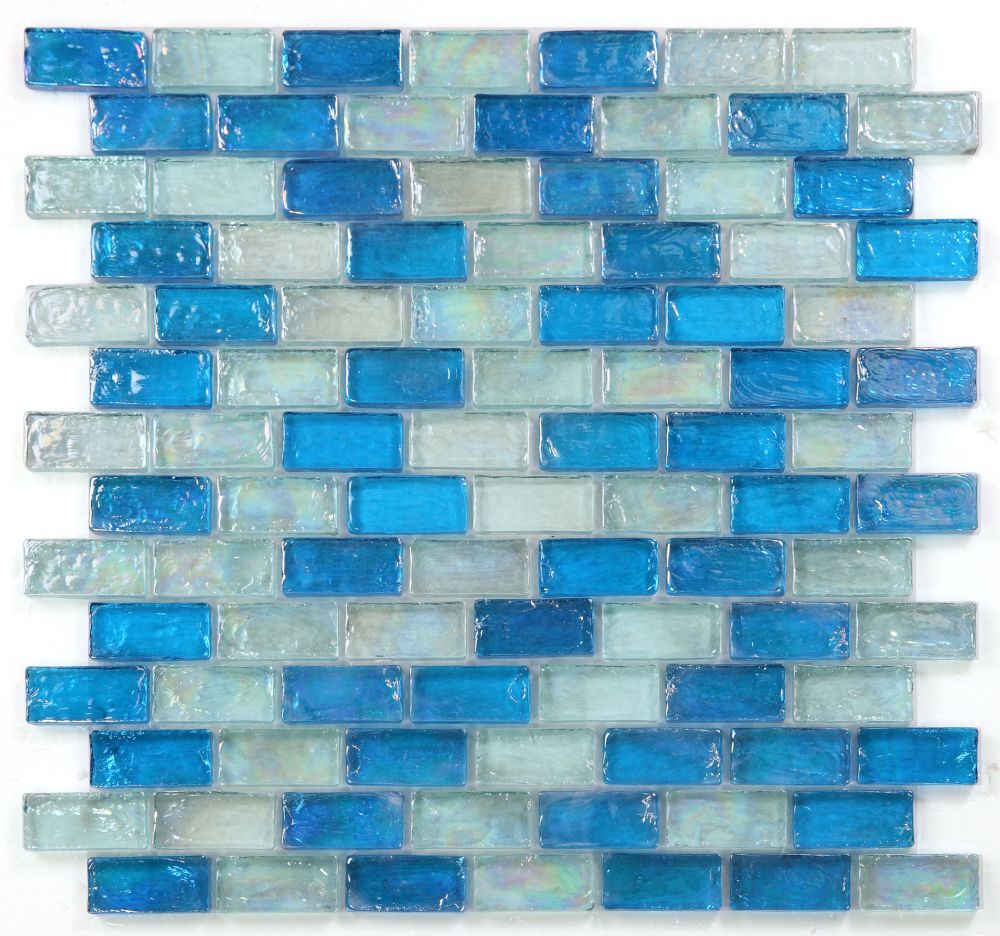
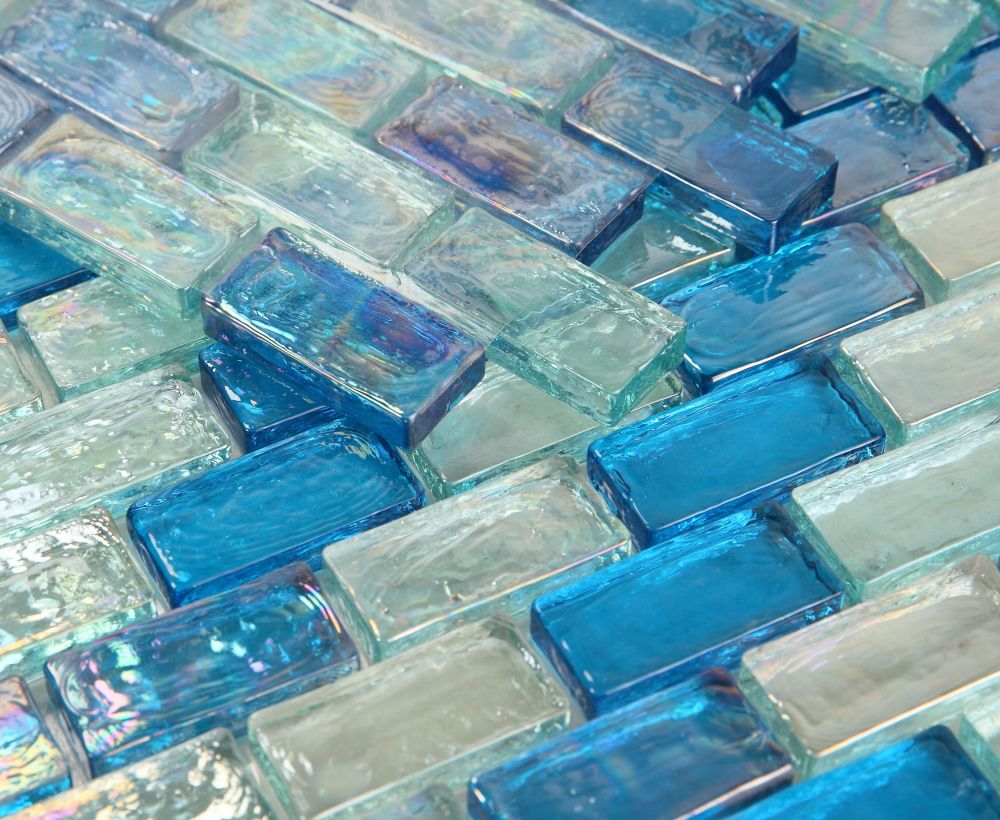
Glass is the only tile material where the colour is inside the tile rather than on it. That single fact explains most of what follows — why it does not fade, why it cannot be matched exactly by a ceramic glaze, and why the same nominal shade looks different depending on how the tile was made.
How glass tile gets its colour
Through-body colour
Pigment is fused into the molten glass, so the colour runs edge to edge. Chip it and the break is the same shade as the face. This is the most durable option and the one to insist on for pools and anywhere in direct sun.
Back-painted glass
Clear glass with colour applied to the rear face, viewed through the thickness. It gives the deepest, most saturated tones and a lot of depth — but the coating is the weak point, so it belongs on walls rather than floors or submerged.
Iridescent and finished surfaces
A thin metallic or pearlised layer that shifts tone with the viewing angle. One tile can look green from the doorway and blue from the sink. Wonderful on a feature wall, unpredictable if you are trying to match a fixed colour.
Choosing a shade that survives the room
Glass reflects the light it is given. A white glass tile under warm bulbs reads cream; the same tile beside a north-facing window reads grey-blue. Always look at a sample on the actual wall, at the time of day the room is used — a showroom judgement will not hold.
Two more rules worth knowing. Darker glass shows water spots and soap film far more readily than pale glass, which matters in a shower far more than behind a hob. And gloss multiplies whatever light is in the room, so in a small bathroom a pale gloss tile can do more for the sense of space than any amount of clever lighting.
What the range looks like here
The deepest ranges are white, blue and gray — each running to seventy or eighty products — followed by green, beige and brown. Blue is unusually well represented because glass is the traditional material for pools and coastal schemes, where through-body colour is not optional.
Grout changes the colour you chose
More colour decisions are undone by grout than by tile. A pale grout with a dark tile turns a solid wall into a grid; a matched grout lets the colour read as one surface. Because glass is translucent, the adhesive colour also shifts the final tone — always white, never grey.
Free Design Consultation
Choosing the perfect tiles can be tricky. Speak with our experienced tile experts. We will guide you through selecting the best colors, patterns, and materials to match your style and needs.