

Shop Glass Tile by Pattern
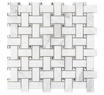
Glass mosaics grouped by the shape they are cut and laid in — subway, hexagon, herringbone, chevron, basketweave and more. Pick the pattern and the full range follows.




258 products
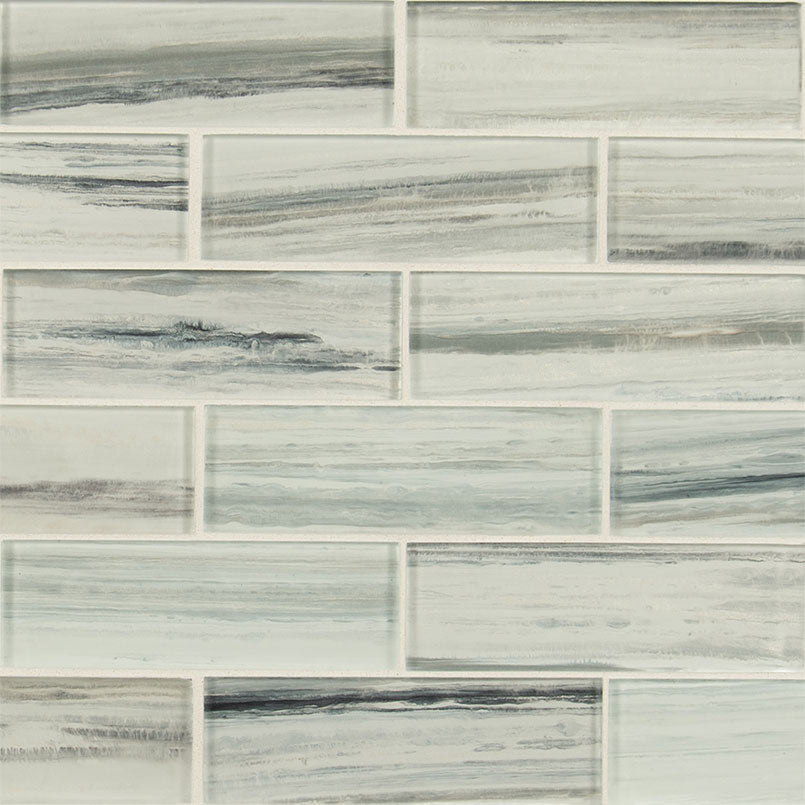
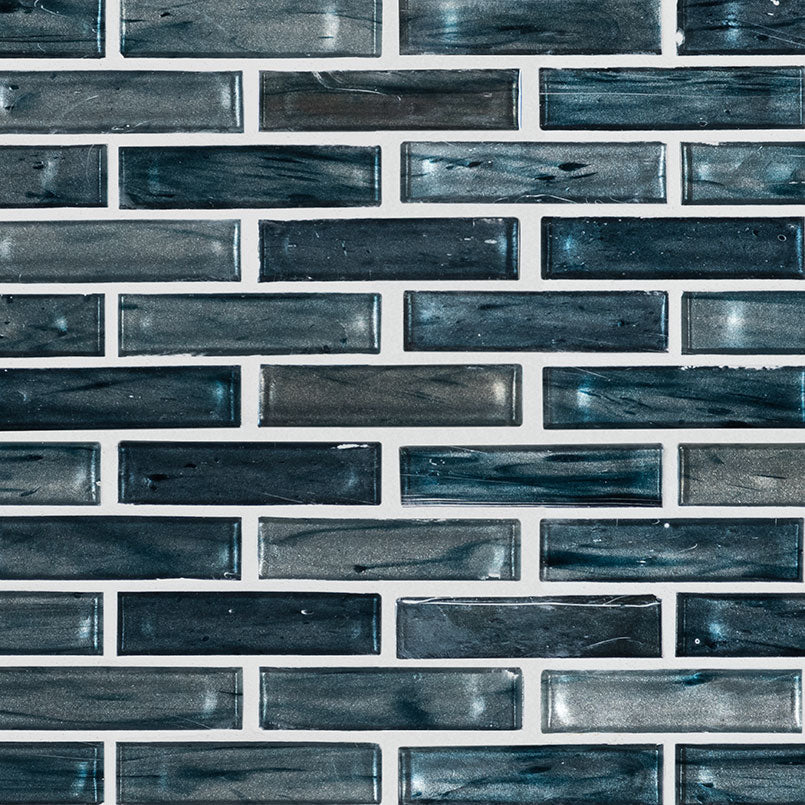
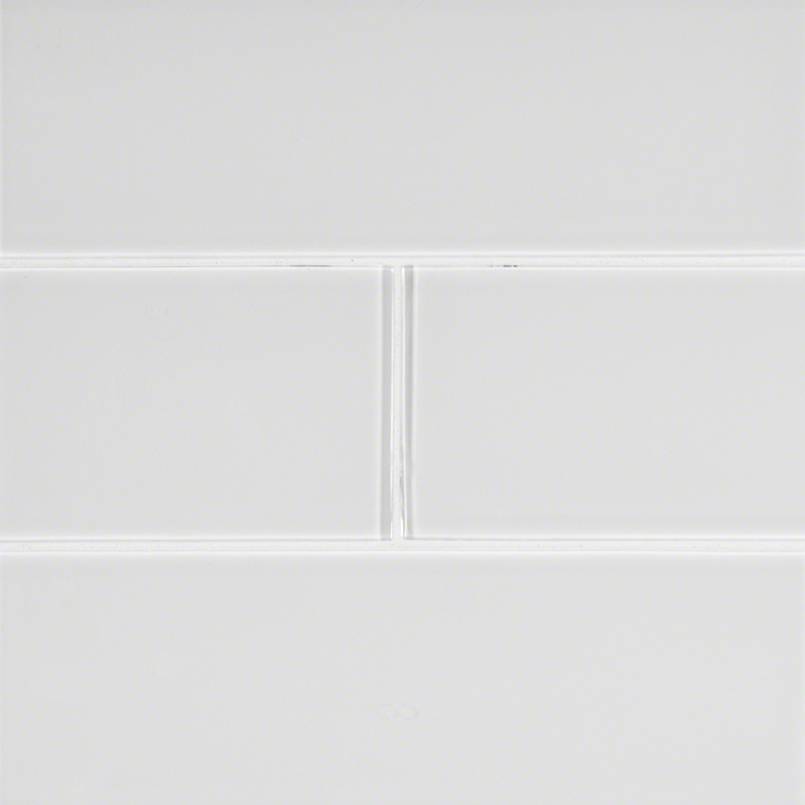
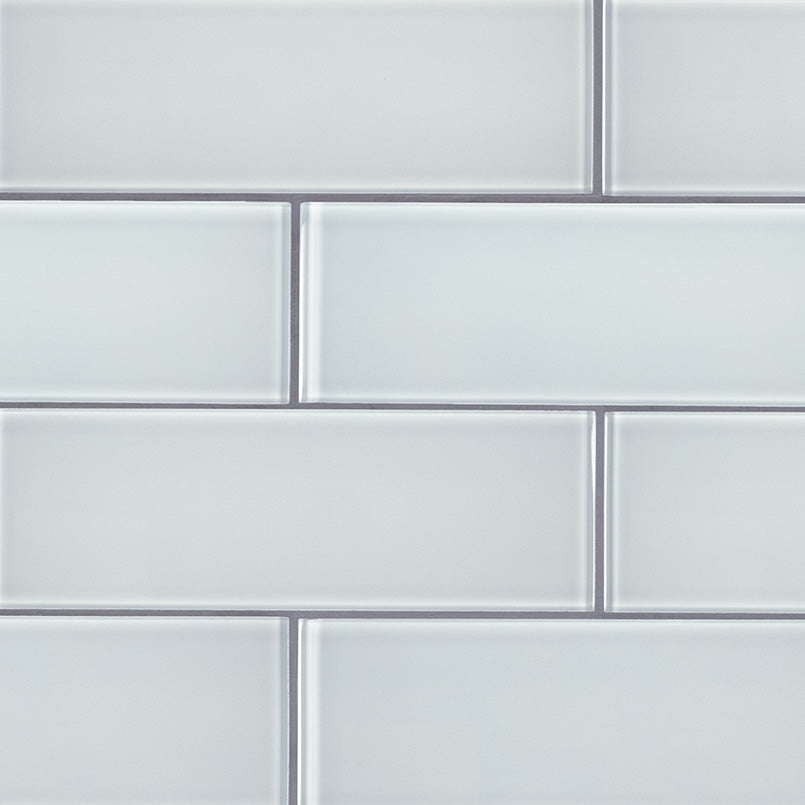
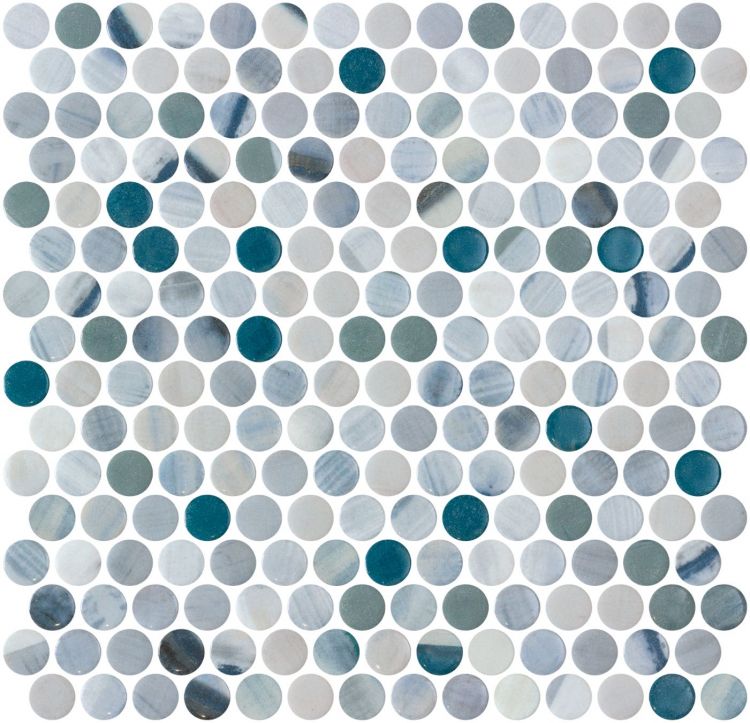
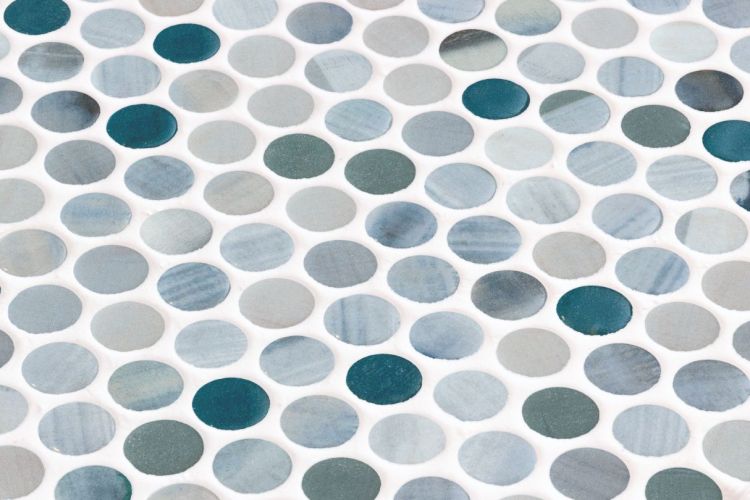
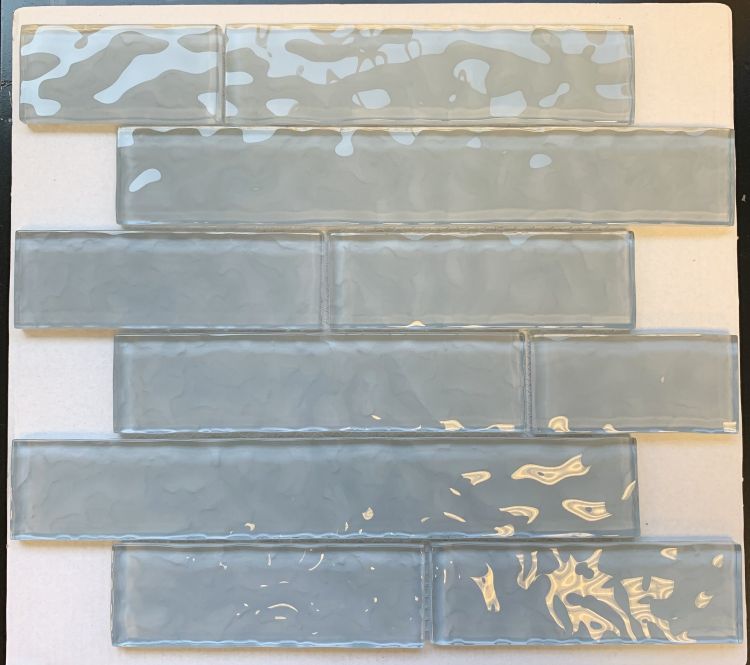
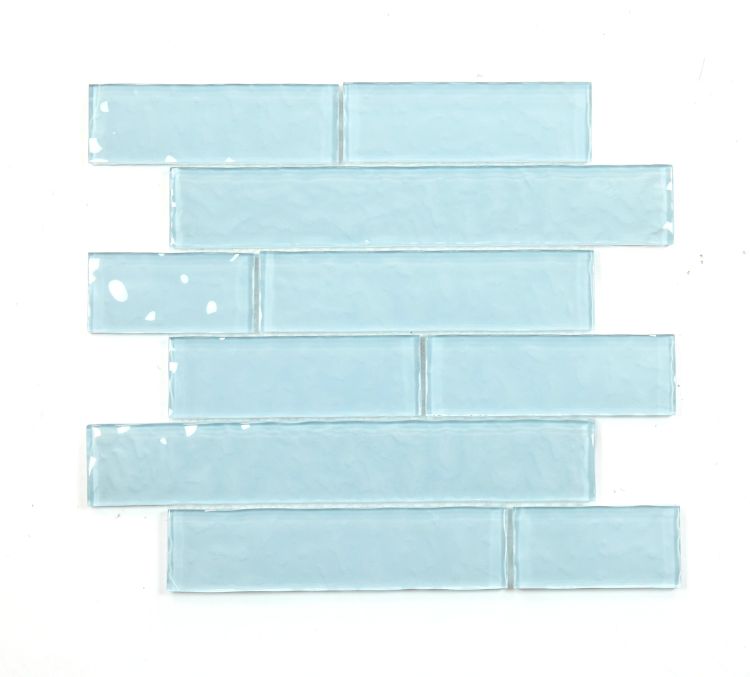
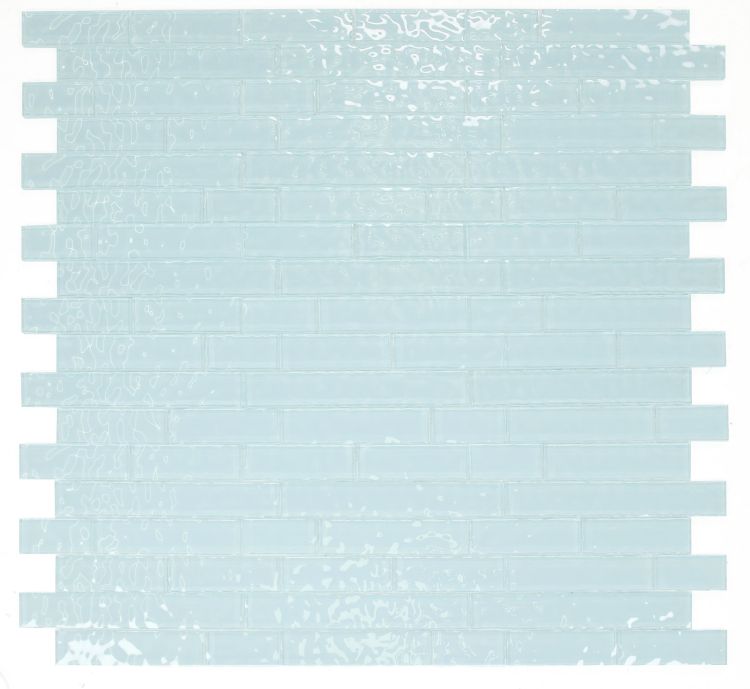
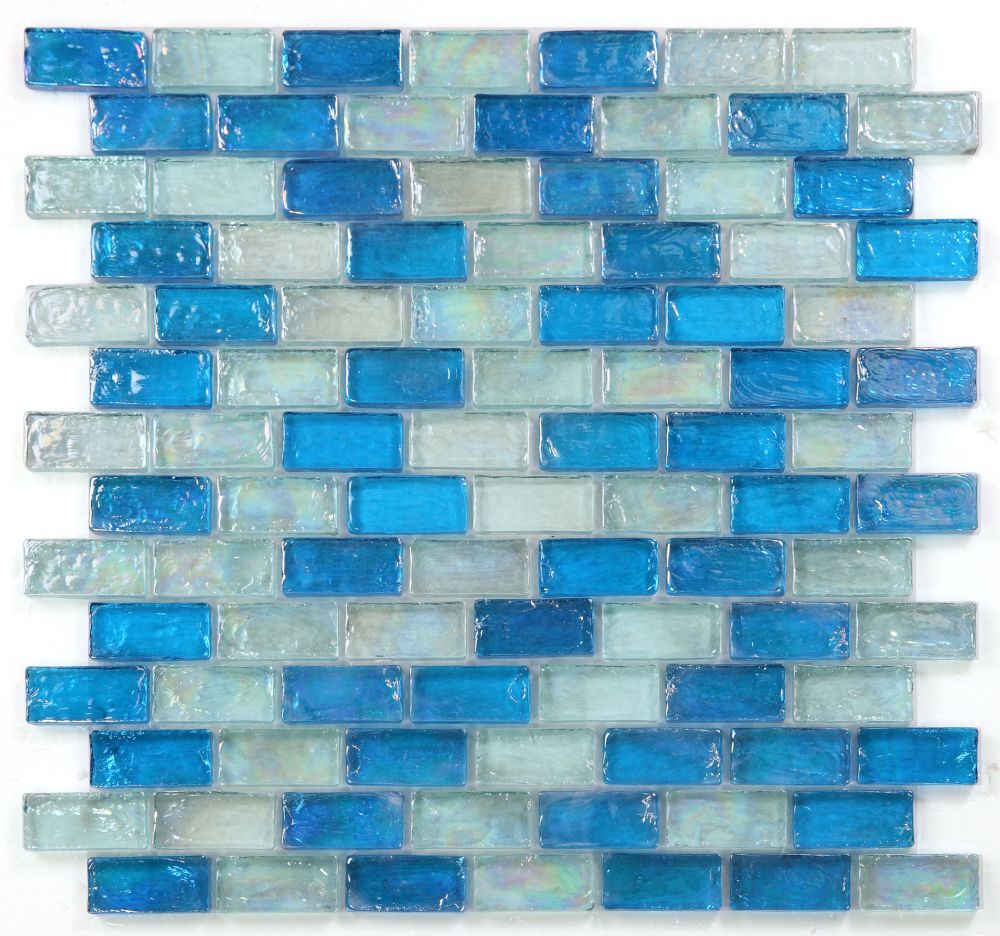
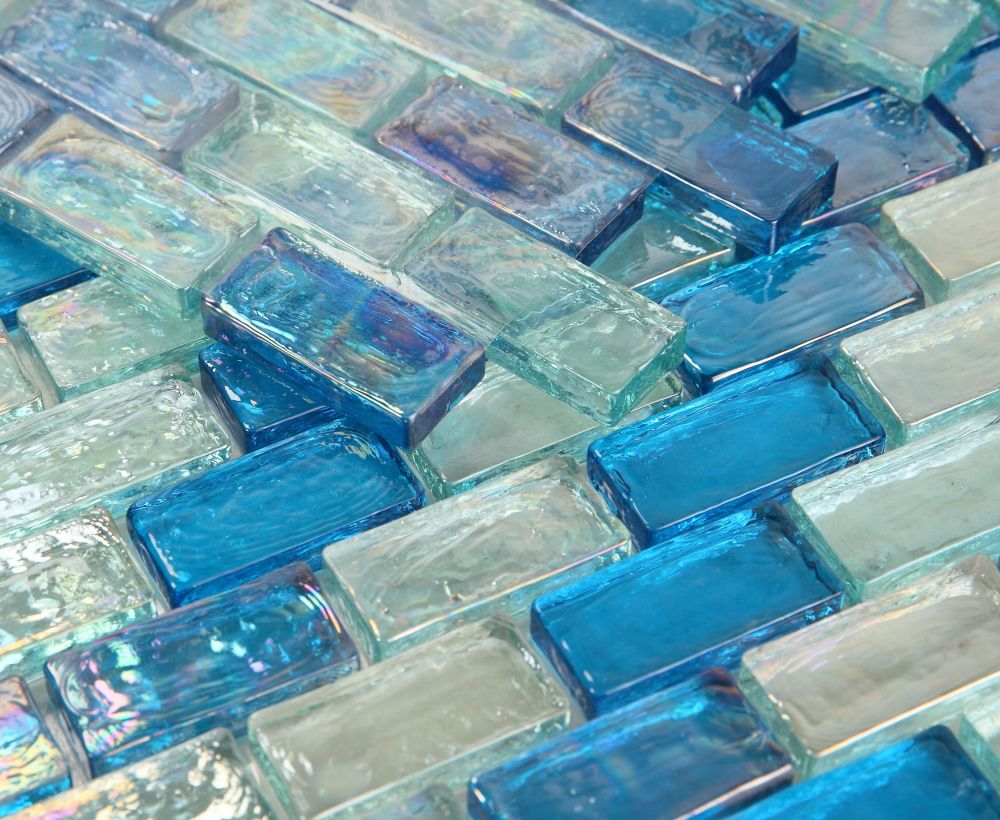
Pattern does more work in glass than in any other material. Because light passes into the tile and reflects back off the wall behind it, the shape you cut glass into changes how a whole room reads — a stacked subway run looks calm and flat, the same colour in a chevron looks like moving water.
Which pattern suits which job
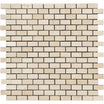
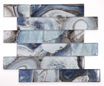
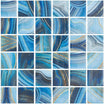
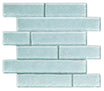
Subway and square
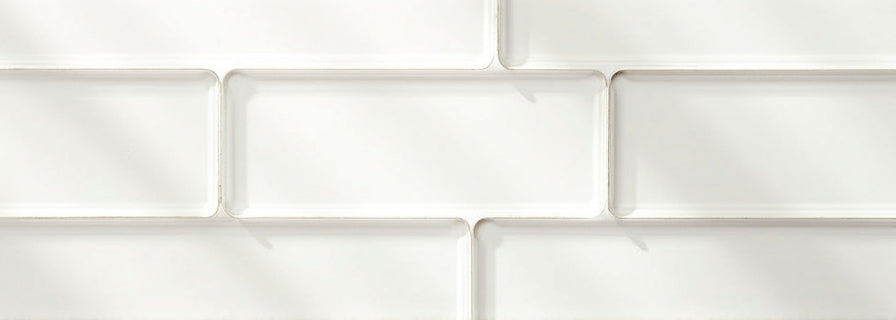
The two workhorses. A running-bond subway hides slight wall irregularities better than anything else here, and square mosaic sheets turn inside corners and shower niches without custom cuts. Start here if the wall is long, plain and needs to stay quiet.
Chevron and herringbone
Directional patterns that pull the eye along a wall. In glass the angled cut catches light on two planes at once, so a single colour reads as several. Best on a feature wall or a backsplash you want noticed — and worth noting that both waste more material in cuts, so order generously.
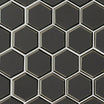
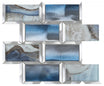
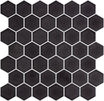
Hexagon and penny round
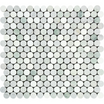
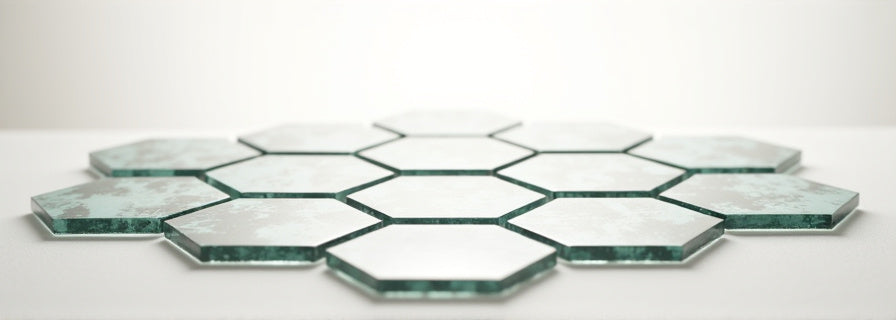
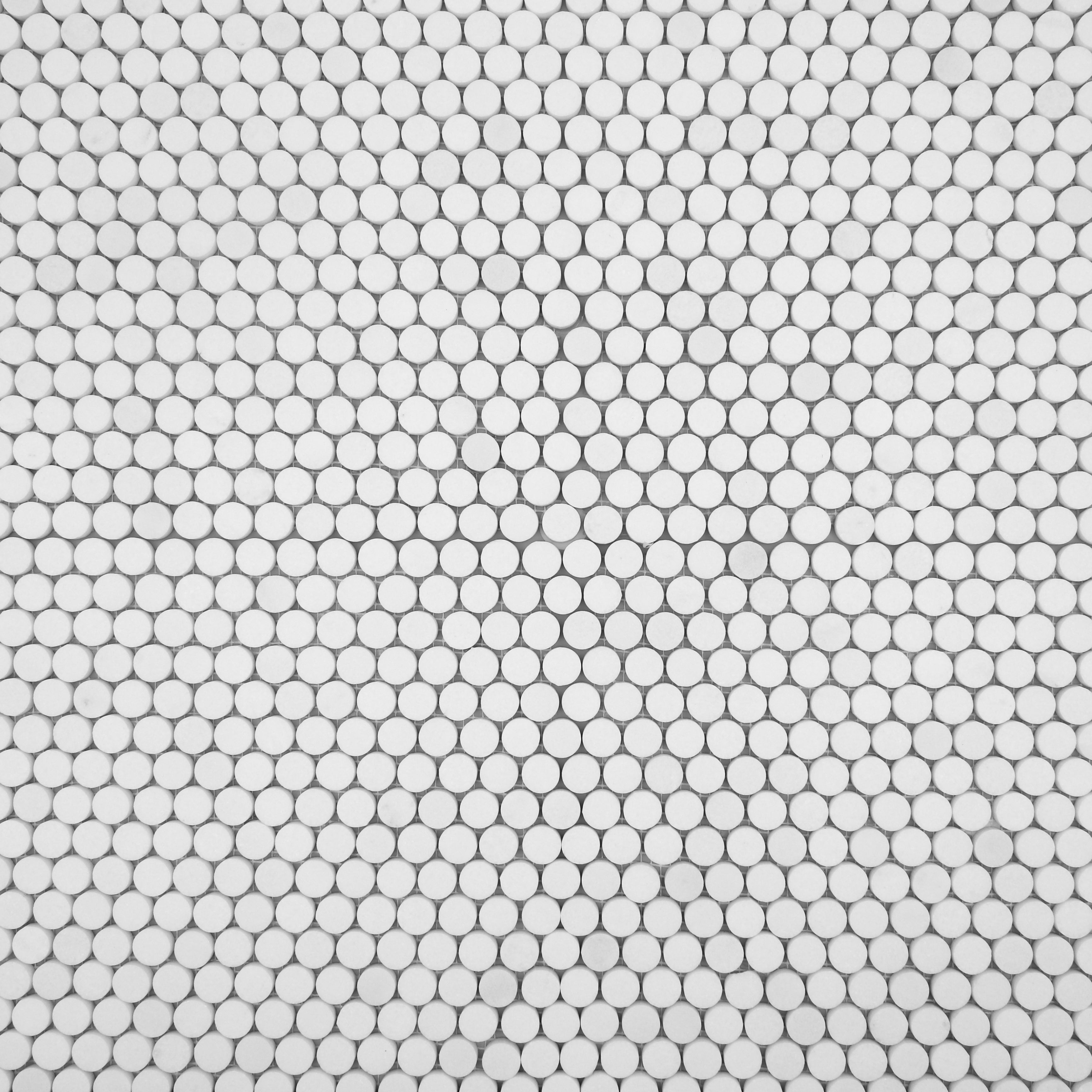
Curved and faceted shapes break up reflections instead of lining them up, which softens a bright room. Small round formats also drain well and give plenty of grout key underfoot, which is why penny round remains a shower-floor standard.
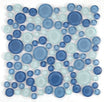
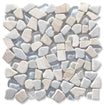
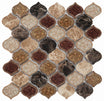
Pebble, random and blends
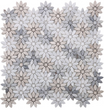
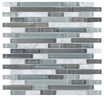
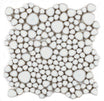
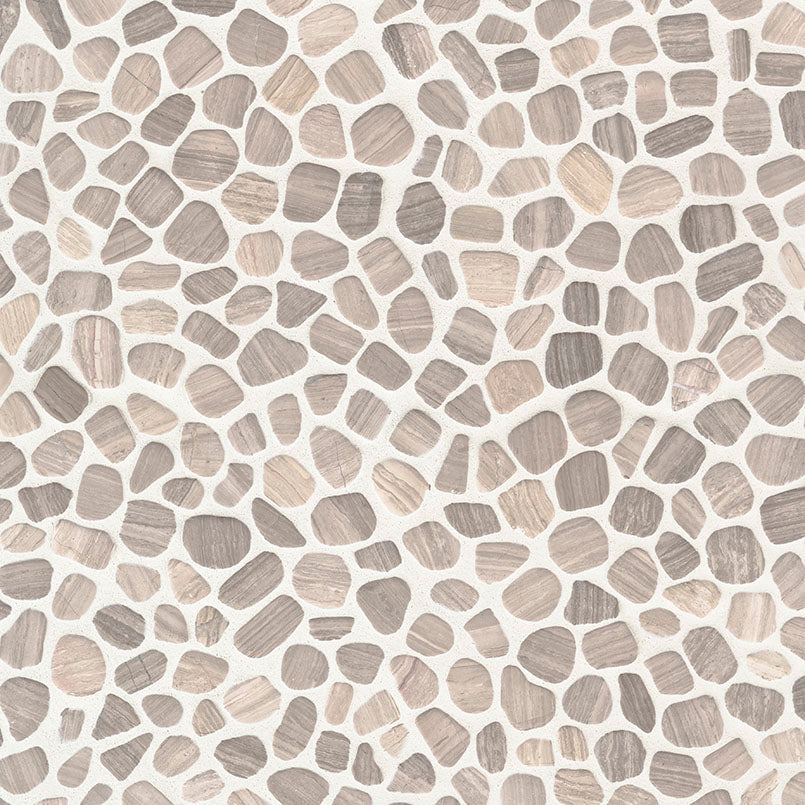
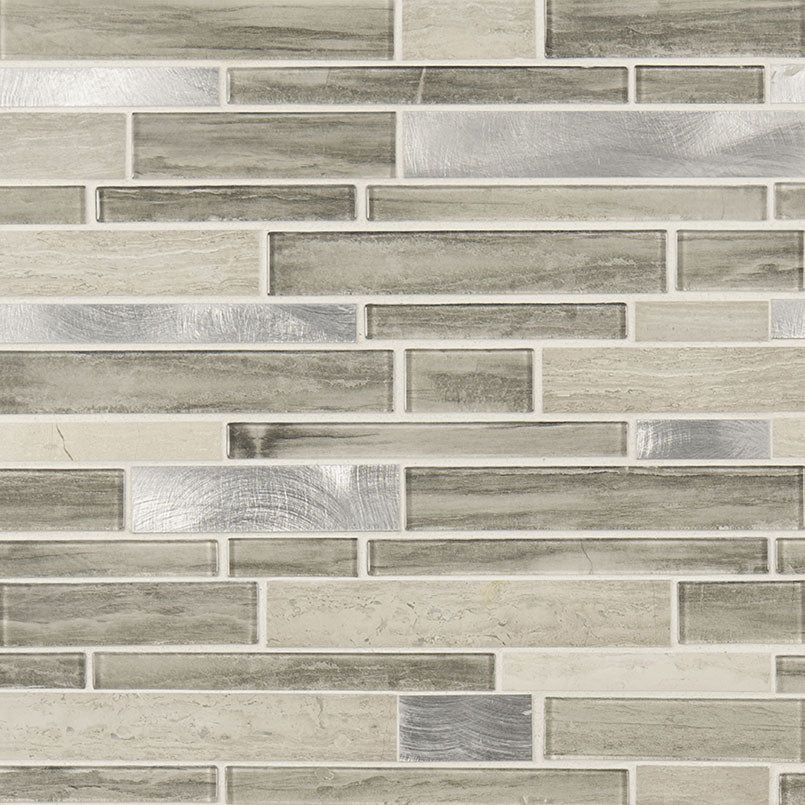
Irregular formats forgive uneven surfaces and mix several tones in one sheet, so they read as texture rather than pattern. Useful where a flat field of one colour would look severe, and the easiest way to bring a second colour into a scheme without committing a whole wall to it.
Sheet-mounted, not loose
Almost all glass pattern tile is supplied on a mesh-backed sheet roughly 12 inches square, so you are setting a pattern a foot at a time rather than a piece at a time. Two practical consequences: check the sheet edges interlock the way you expect before you spread adhesive across a whole wall, and plan cuts at the sheet seam rather than through it wherever the layout allows.
Setting glass well
- The adhesive shows. Glass is translucent, so grey thinset reads as a grey cast through the tile. Use a white, glass-rated adhesive and a full, evenly combed bed — trowel ridges telegraph through.
- Cut with the right blade. A standard tile blade chips glass. Wet-saw blades made for glass, run slowly, give a clean edge.
- Grout colour is half the design. Matching grout makes a patterned sheet read as one surface; contrasting grout makes every individual piece visible. Decide which you want before you buy, because it changes the tile you should choose.
What we stock
The largest glass pattern ranges here are chevron and subway, followed by hexagon and square. Every pattern above links to the glass-only slice of that shape, so you are never scrolling past marble and porcelain to find it.
Free Design Consultation
Choosing the perfect tiles can be tricky. Speak with our experienced tile experts. We will guide you through selecting the best colors, patterns, and materials to match your style and needs.