

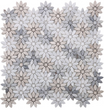
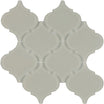
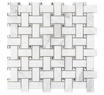
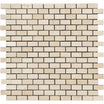
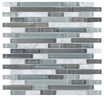
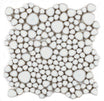
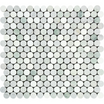

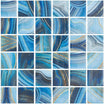
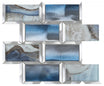
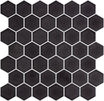
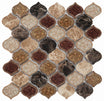
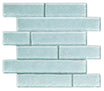
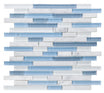
Shop By Pattern
Discover tiles organized by pattern to effortlessly bring your design vision to life. From classic herringbone to bold geometric shapes, explore a variety of patterns perfect for creating unique and stylish spaces. Find the ideal match for your project and shop with ease!
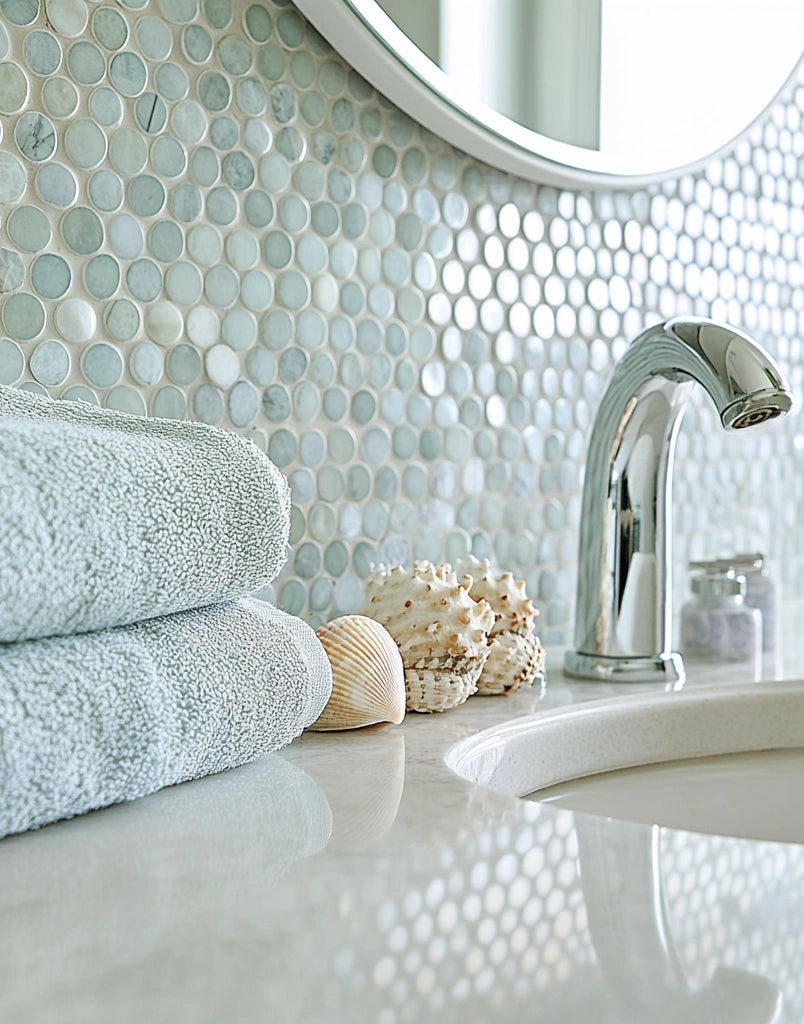
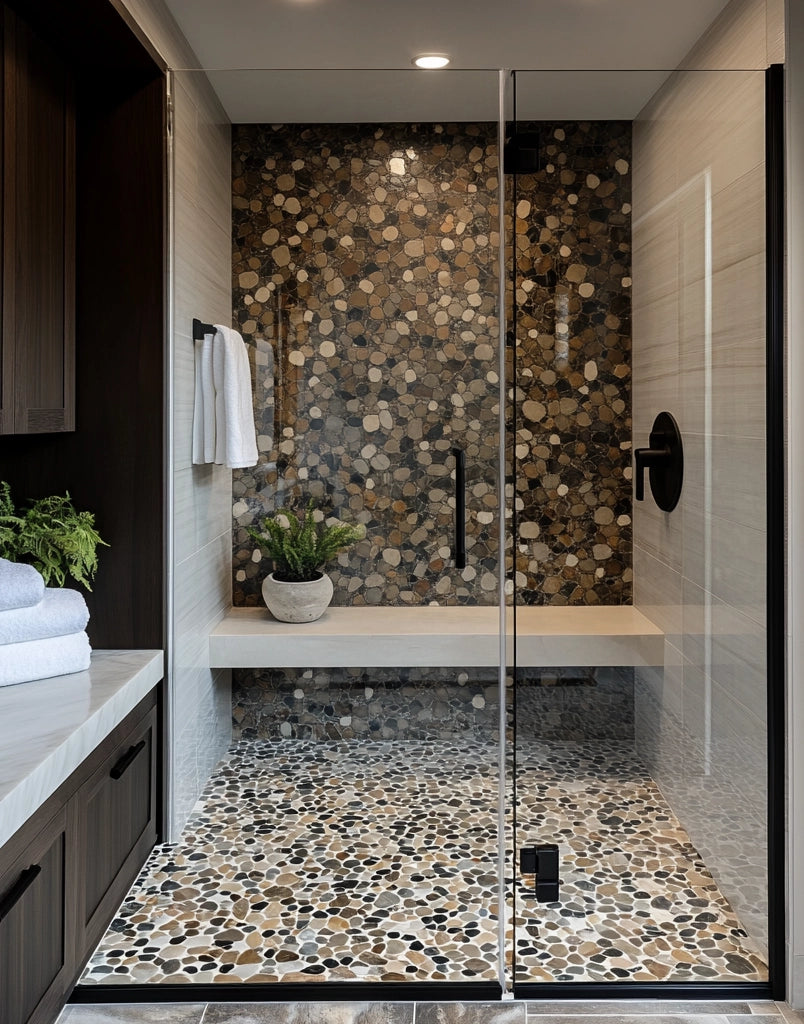
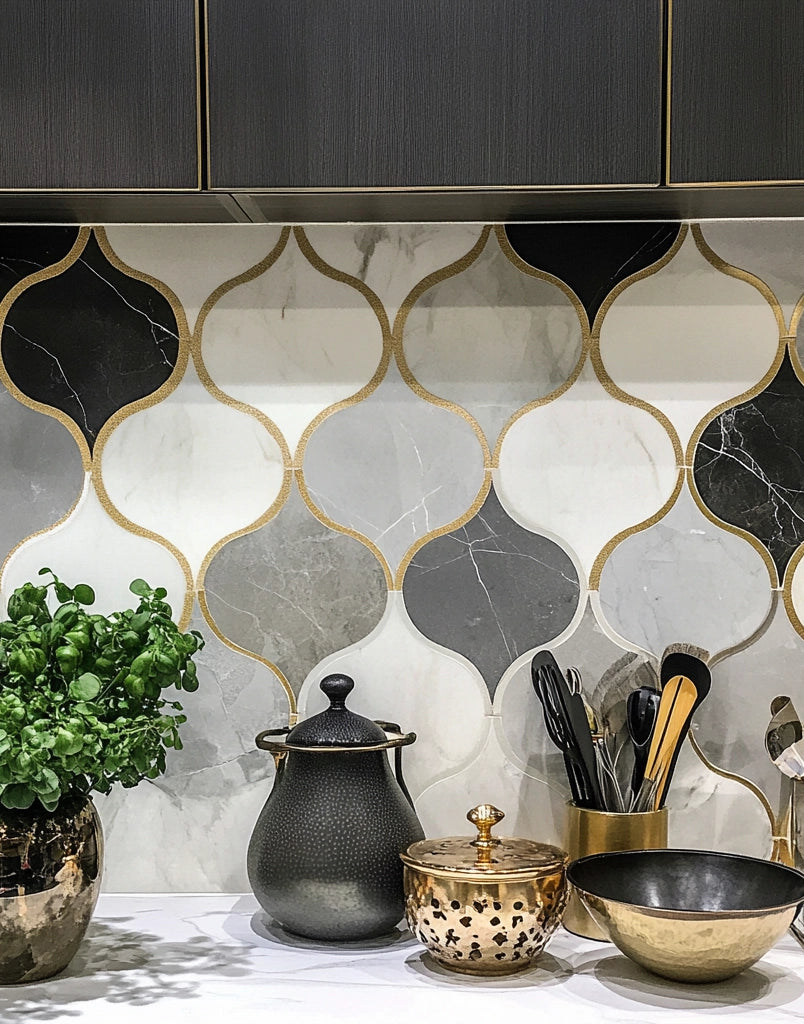
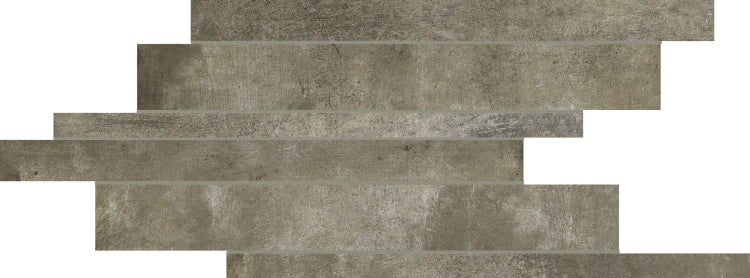
Tile Patterns Explained
A tile pattern is two things at once: the shape the tile is cut to, and the way those pieces are set out. Small shapes — hexagon, basketweave, octagon — arrive pre-assembled on a mesh-backed sheet, so an intricate layout goes up about as fast as a plain square tile. Rectangles and large formats are single pieces, and the pattern is created on site by the installer: running bond, a third offset, herringbone or chevron.
That distinction matters more than most people expect, because it decides how much the labour costs. A herringbone mosaic sheet is an ordinary fixing job. The same pattern in 12x24 planks is a day of angled cuts.
The Patterns We Stock
Subway and Running Bond
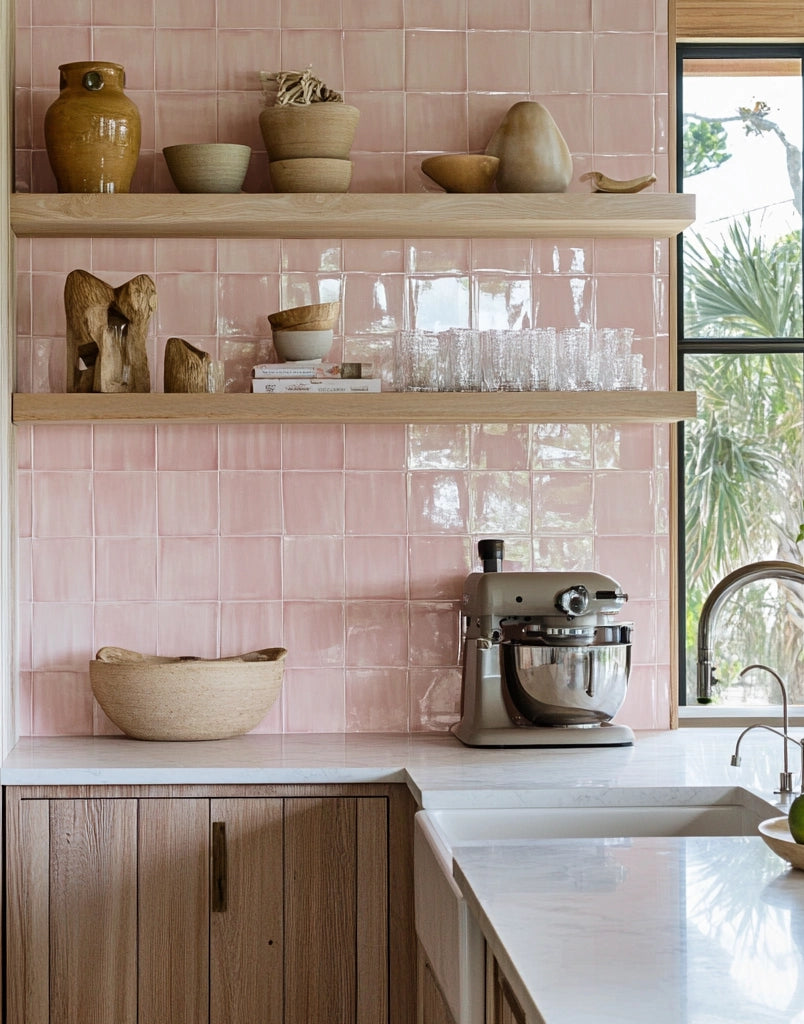
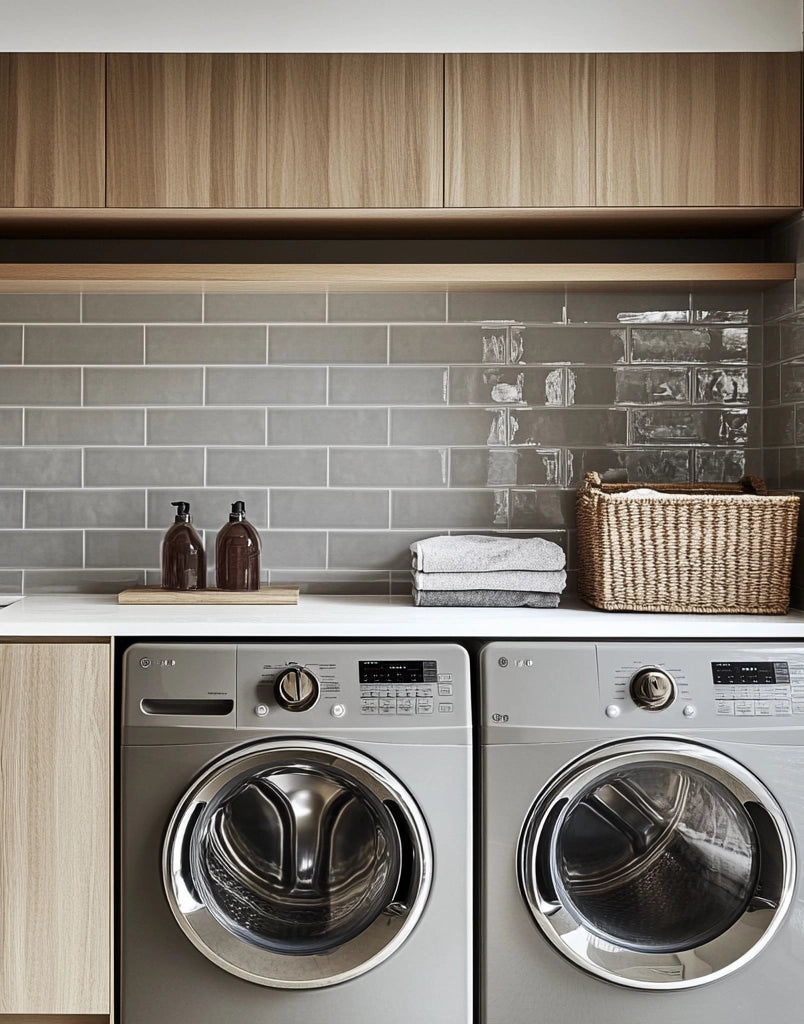
Subway tile is the most forgiving pattern there is, and the one most often laid in running bond — each row shifted by half a tile, like brickwork. Stack it vertically instead and a low ceiling reads taller; set it in a third offset and a slightly uneven wall stops showing.
Herringbone
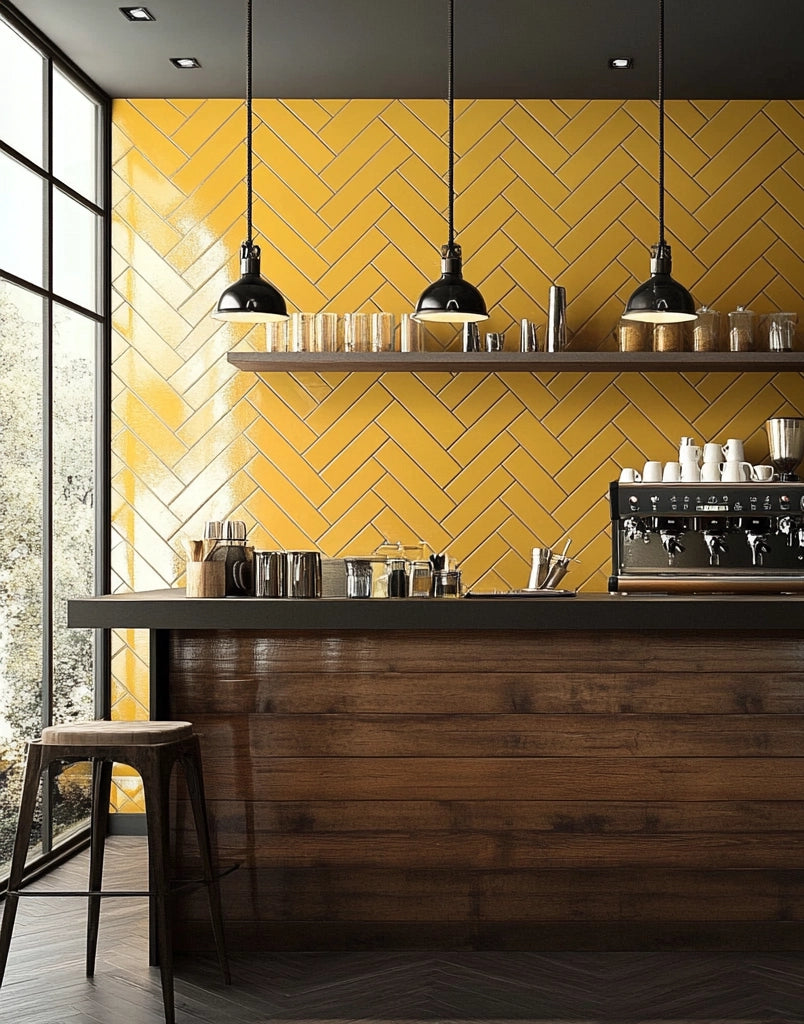
Herringbone tile sets rectangles at ninety degrees to each other in a staggered zigzag. It is the pattern to reach for when a room is narrower than you would like — run it across the short dimension and the eye reads the space as wider. Budget more tile than you think: the perimeter is all angled cuts.
Chevron
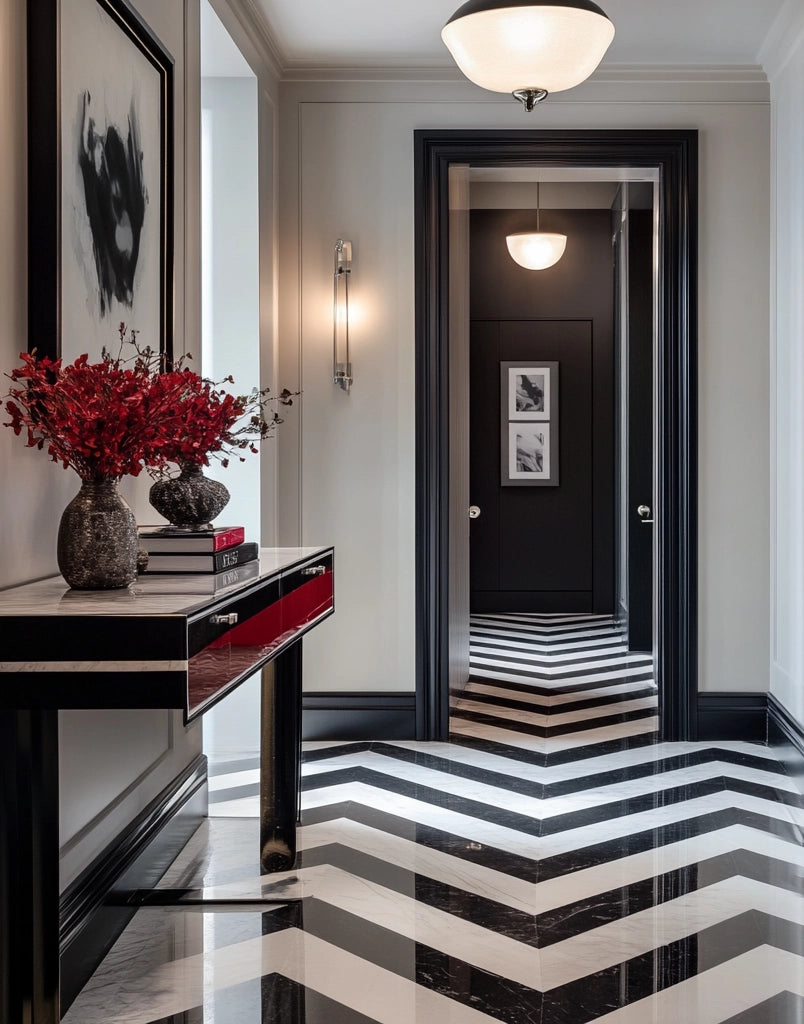
Chevron tile looks like herringbone at a glance, but the pieces are cut at an angle at each end so the points meet in a continuous V with no stagger. It is the more formal of the two, and it costs more both to buy and to lay because of the mitre.
Hexagon
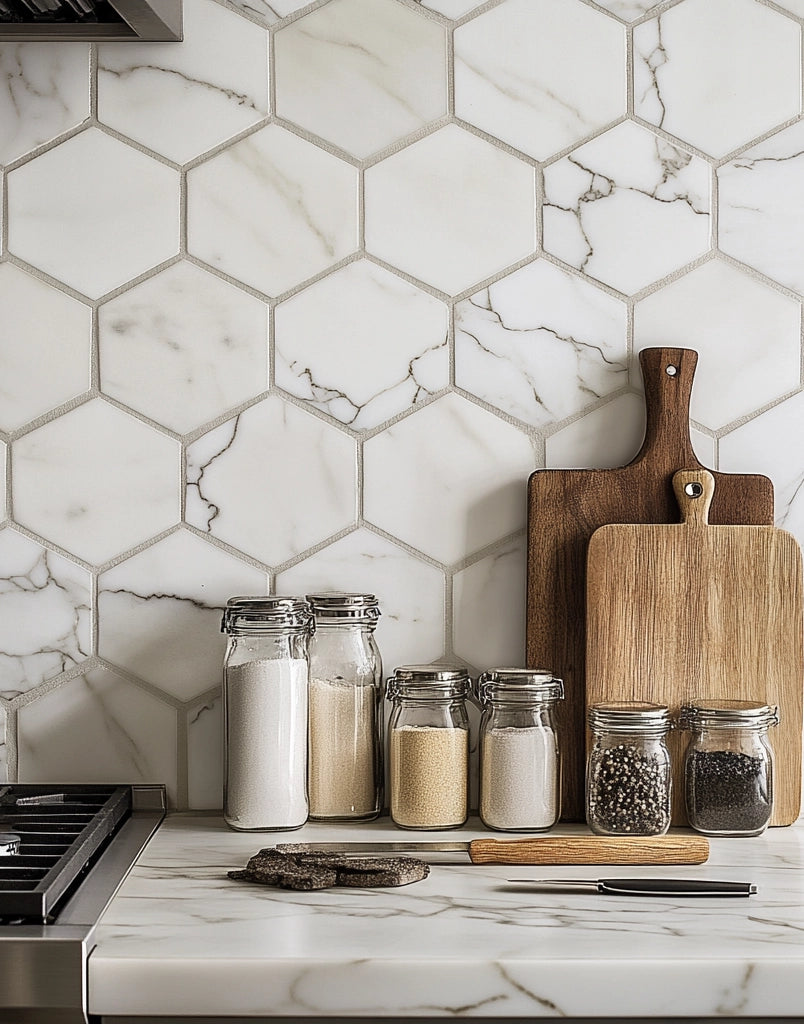
Hexagon tile is the default for shower floors, and it is the grout doing the work rather than the tile: six short joints per piece give far more grip underfoot than one long joint on a large format. Larger hexes, 8 inch and up, read as a graphic floor instead of a mosaic.
Basketweave
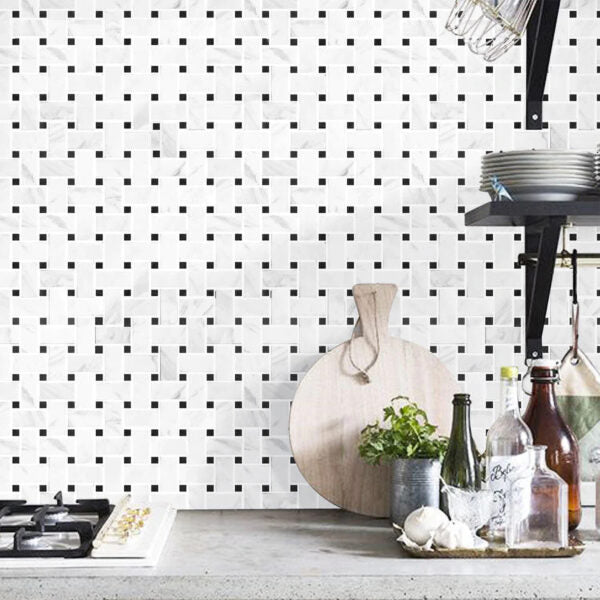
Basketweave tile alternates pairs of rectangles with a contrasting square, giving a woven look. It is a period bathroom floor pattern above all else, and it comes on mesh sheets, so it installs far more easily than it looks.
Octagon
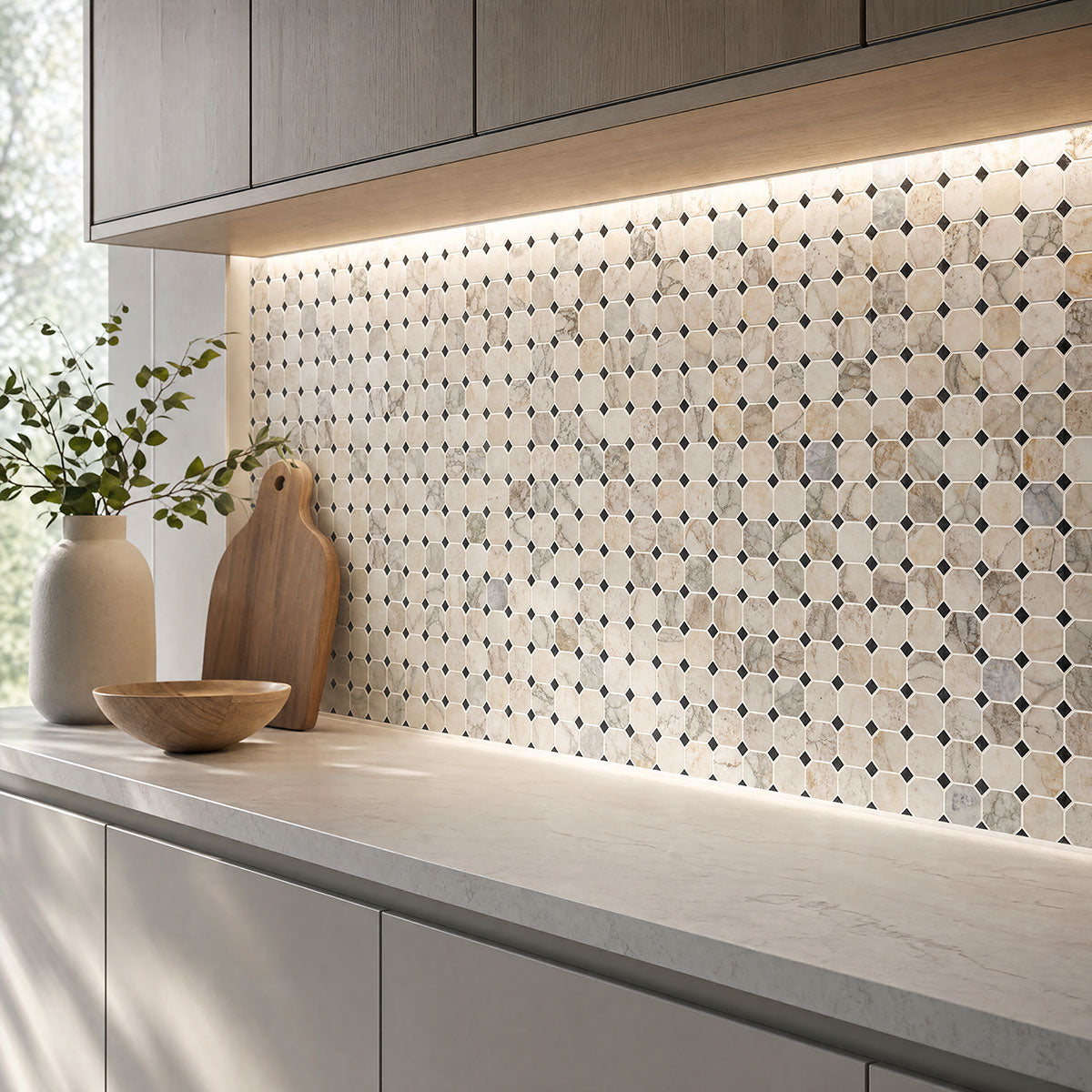
Octagon tile pairs an octagon with a small contrasting dot at each junction. It is the detail found in Victorian and Edwardian bathrooms, and still the quickest way to make a new floor look like it was always there.
Square and Stack Bond
Square tile is the plainest option and the one that lets a dramatic marble or concrete surface speak for itself. Stacked in a straight grid it gives the calmest possible floor; offset, it reads more traditional.
Choosing a Pattern for the Room
- Small bathroom — vertically stacked subway, or a small hexagon on the floor. Both draw the eye rather than chopping the room into a grid.
- Narrow hallway or galley kitchen — herringbone, run across the short dimension.
- Shower floor — hexagon. Small pieces follow the fall to the drain and the joints supply the grip.
- Large open floor — square or a large format in a third offset. Fewer joints keeps a big space calm.
- Period bathroom — basketweave or octagon-and-dot, which is what would originally have been there.
- Kitchen backsplash — subway or herringbone. Neither dates, and both wipe clean easily.
How Much Extra to Order
Ten per cent over the measured area for a straight or running bond layout, and fifteen per cent for herringbone, chevron, or anything laid on the diagonal — those patterns turn every perimeter tile into an offcut. Keep at least one full box after the job: dye lots shift between production runs, so a replacement bought later may not match.
Every pattern here is sold by the box with a per-square-foot calculator on the product page, so you can order the exact coverage plus your cutting allowance.
Free Design Consultation
Choosing the perfect tiles can be tricky. Speak with our experienced tile experts. We will guide you through selecting the best colors, patterns, and materials to match your style and needs.