





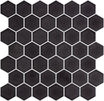
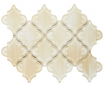
Shop Tile by Size
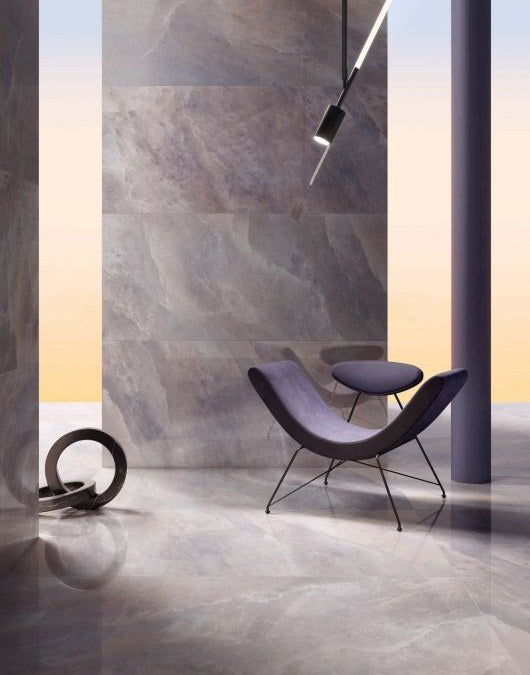
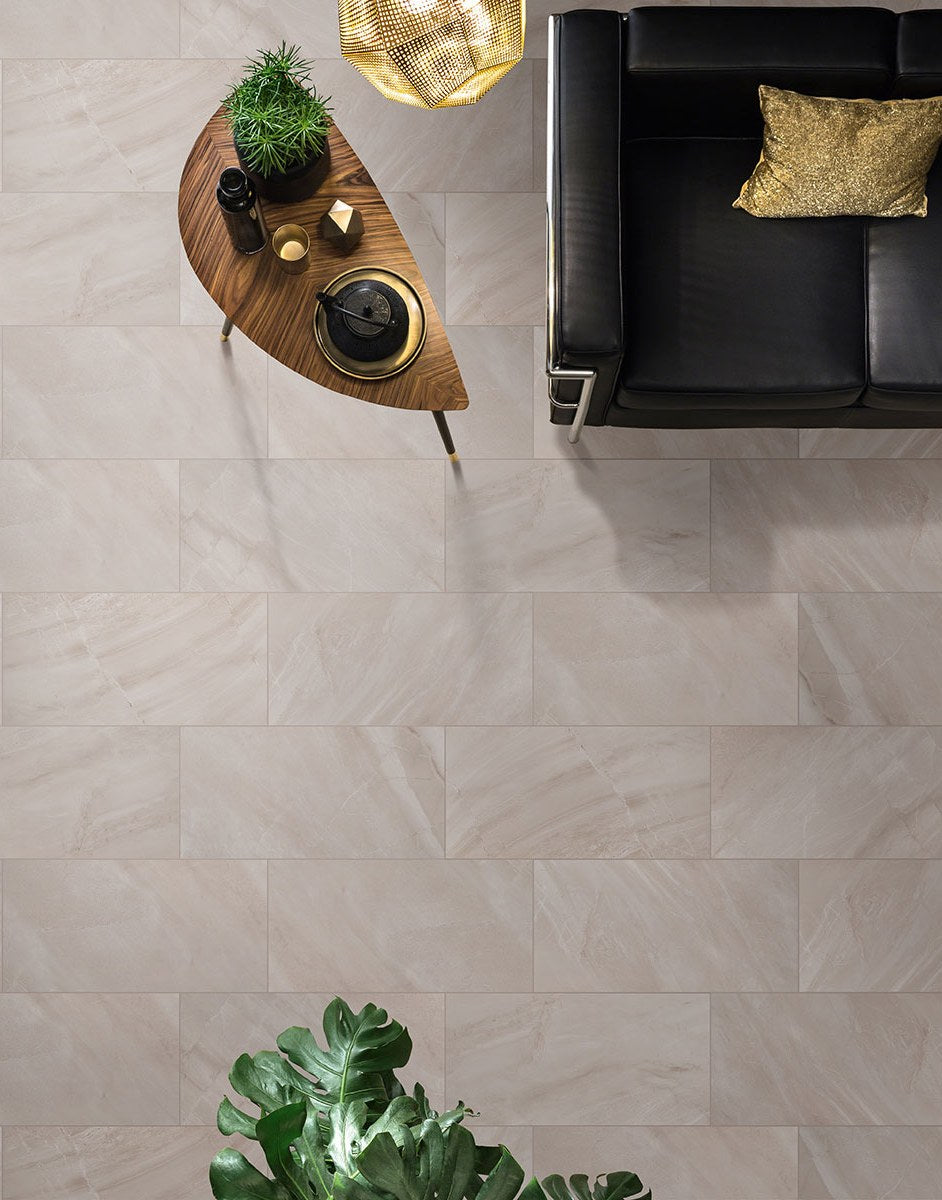
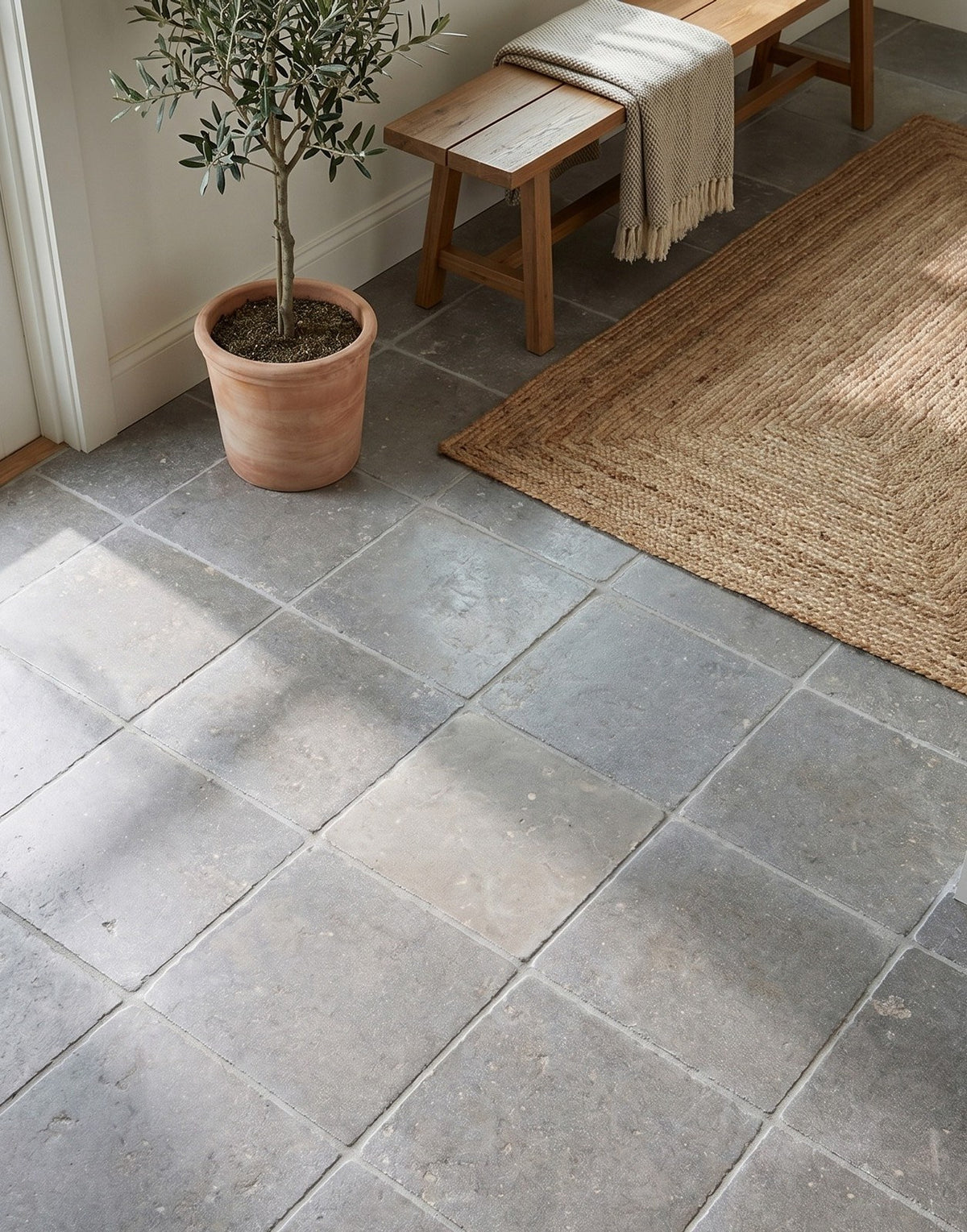
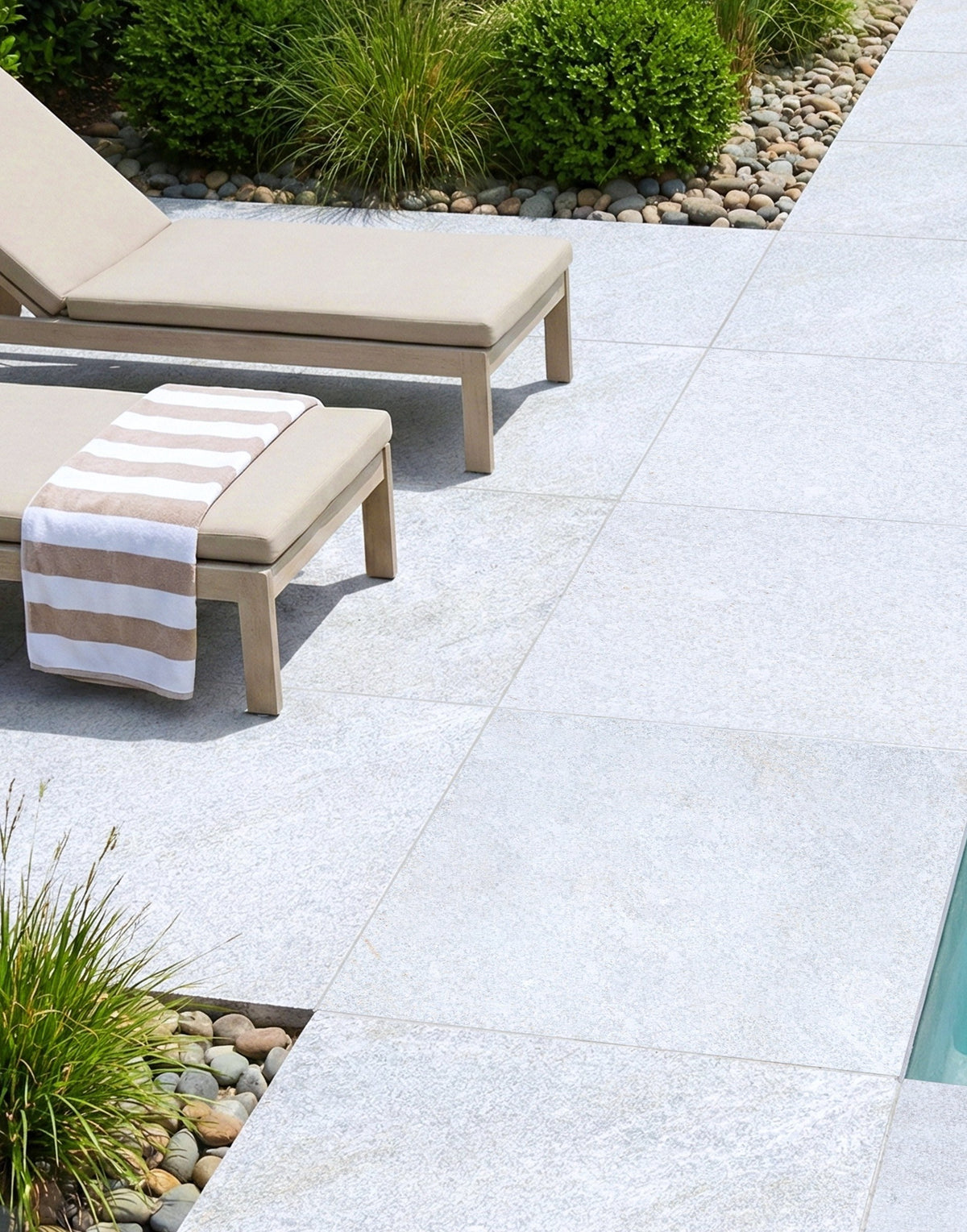
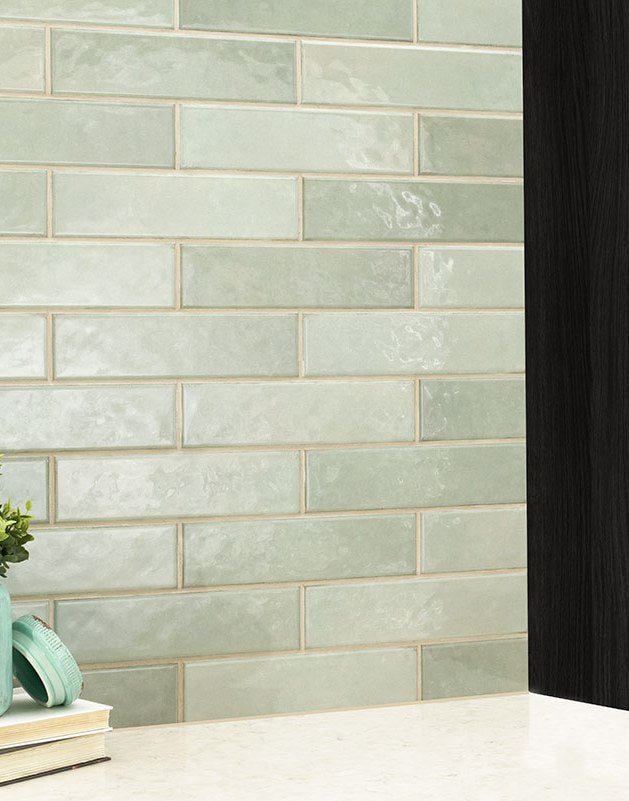

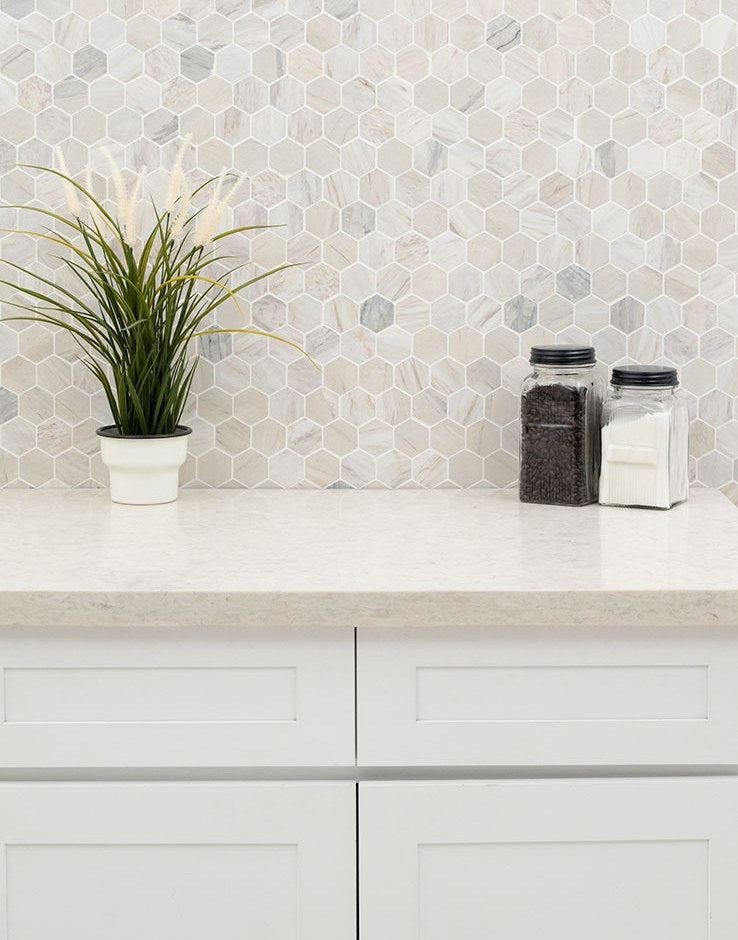

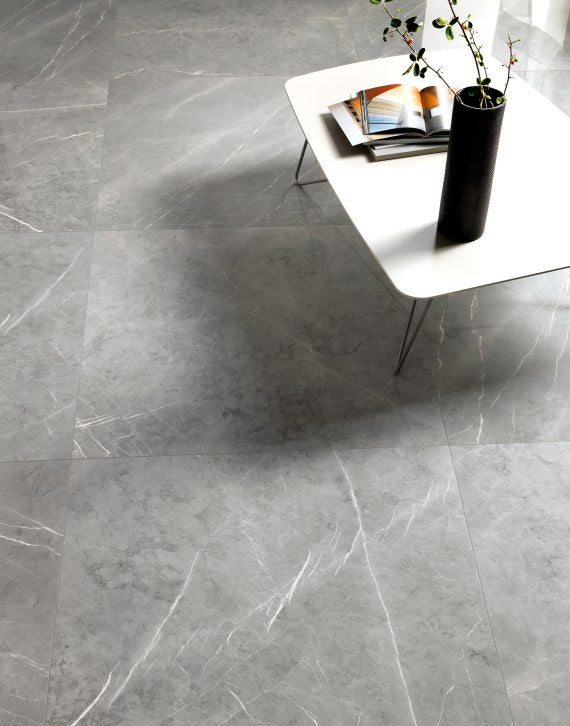
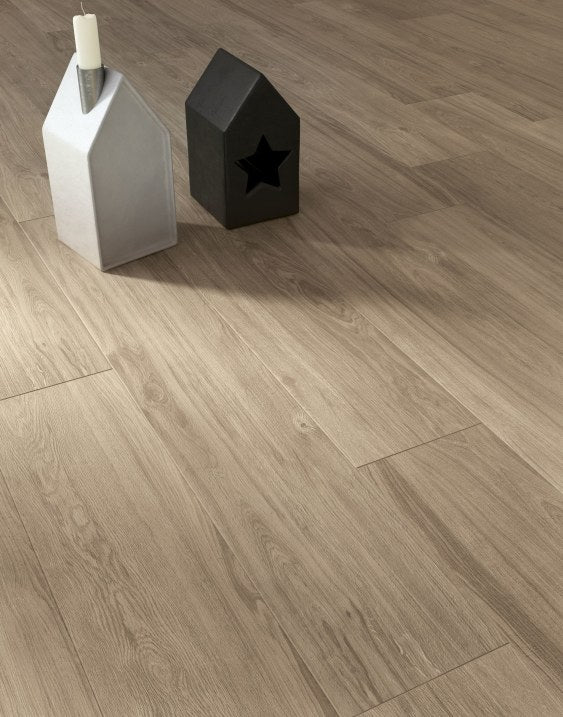
Tile size changes how a room looks almost as much as colour does. Bigger tiles mean fewer grout lines and a calmer floor; smaller ones follow slopes, turn corners and give more grip. Below is every size we stock, what each one is usually used for, and how to choose between them.
Standard Tile Sizes at a Glance
| Size (inches) | Group | Typical use |
|---|---|---|
| 2x2 | Mosaic | Shower floors and backsplashes |
| 3x12 | Subway and accent | Backsplashes, accent and shower walls |
| 5x12 | Subway and accent | Kitchen and bathroom walls |
| 12x12 | Standard square | Floors, especially in smaller rooms |
| 12x24 | Standard rectangle | Floors and walls in almost any room |
| 24x24 | Large square | Open-plan floors |
| 6x36 | Plank | Floors - a popular shape for wood-look tile |
| 8x48 | Plank | Floors - a popular shape for wood-look tile |
| 24x48 | Large format | Floors and feature walls |
| 30x30 | Large format (about 75 x 75 cm) | Open-plan floors |
| 32x32 | Large format (about 80 x 80 cm) | Open-plan floors |
| 48x48 | Large format | Large floors and walls with very few joints |
Sizes are nominal - the name of the size rather than an exact measurement - so check the product page for the actual dimensions when you plan a layout.
How to Choose the Right Tile Size
Match the Size to the Room
Fewer grout lines make a floor read as one surface, which is why larger tiles can make a small room feel bigger. The trade-off is more cut tiles at the walls, so in a very small or awkward room a mid-size tile such as 12x24 can look neater than a 24x24.
Think About Grout Lines
Every grout line adds grip underfoot and a little more to clean. Small formats suit wet floors for that reason; large formats suit rooms where you want a seamless look and easier cleaning.
Floors and Walls Have Different Needs
A shower floor has to slope to the drain, and only small tiles such as 2x2 mosaic sheets can follow that slope. Large format tiles need a very flat floor or wall, because any dip shows as uneven edges between tiles.
Plan the Layout and Order Extra
Rectangular tiles laid in an offset pattern should be offset by no more than one-third where a side is longer than 18 inches, which keeps the edges level. Order extra for cuts and spares - more for diagonal or herringbone layouts than for a straight lay.
What Counts as Large Format Tile?
Large format tile is any tile with at least one edge 15 inches or longer, so 12x24 already qualifies and 24x48, 30x30, 32x32 and 48x48 sit firmly in the group. These tiles need a flat substrate, a mortar made for large and heavy tile, and full coverage on the back of each tile. Browse more styles in our large format tile collection.
Subway and Plank Sizes
Long, narrow tiles have their own uses. 3x12 and 5x12 are subway-style wall tiles for backsplashes, showers and accent walls - see all subway tile. Planks such as 6x36 and 8x48 run the length of a room and are a popular shape for wood-look floors.
Free Design Consultation
Choosing the perfect tiles can be tricky. Speak with our experienced tile experts. We will guide you through selecting the best colors, patterns, and materials to match your style and needs.