






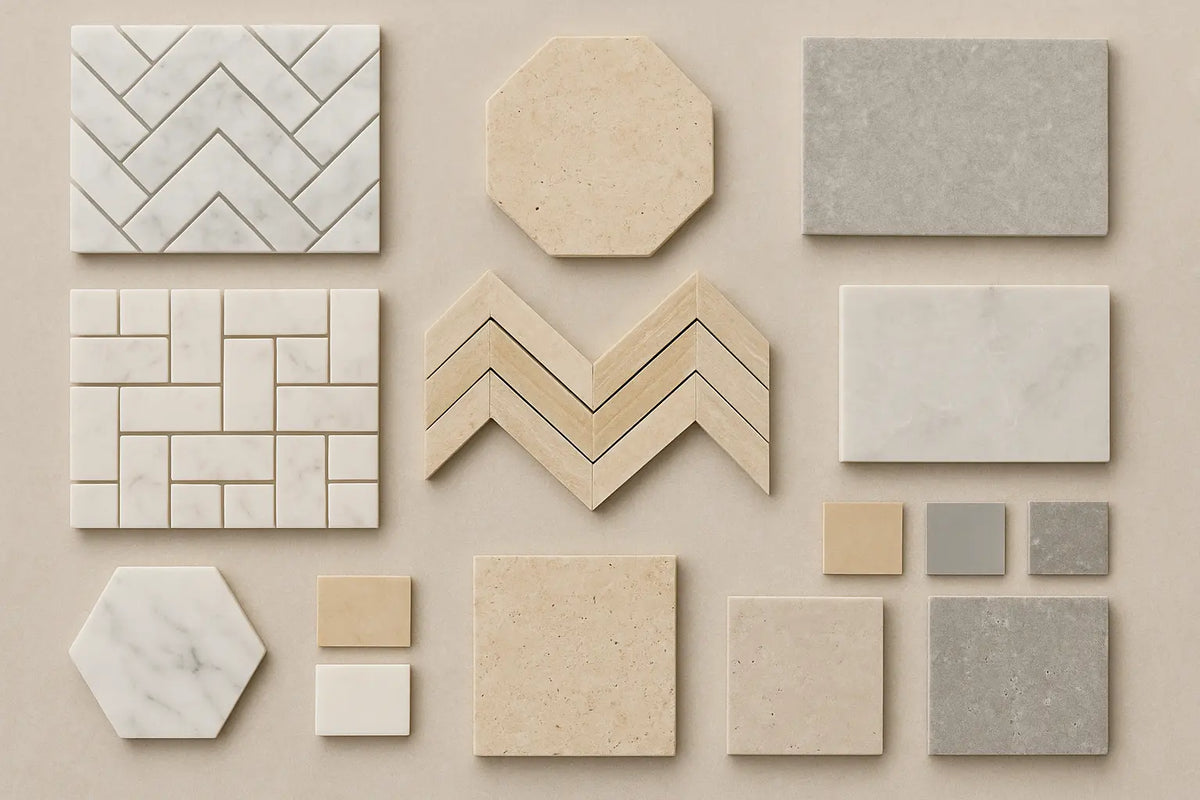
- A successful bathroom remodel requires detailed planning, realistic budgeting, and selecting durable materials designed for moisture exposure.
- Proper waterproofing, plumbing, and electrical preparation are essential before installing bathroom tiles and fixtures.
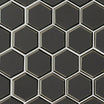
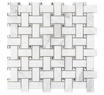
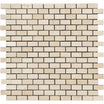
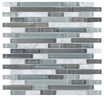
- Choose high-quality bathroom tiles and mosaics that balance beauty, safety, durability, and easy maintenance for long-lasting results.
Introduction
A complete bathroom remodel involves everything from structural demolition and plumbing updates to final fixture installation. A successful renovation requires more than choosing beautiful fixtures or trendy tiles. It involves careful planning, proper material selection, skilled installation, and attention to details that affect long-term durability. This guide provides a professional roadmap to help you plan your project, select high-ROI materials, and manage the renovation process from start to finish to ensure a durable, high-value result.
What Is Included in a Full Bathroom Renovation?
A complete bathroom remodel involves updating multiple elements of the space rather than making only cosmetic improvements. Depending on your goals, a full bathroom renovation may include:
- Removing old flooring and wall tiles.
- Replacing showers, bathtubs, or shower surrounds.
- Installing new vanities and storage solutions.
- Updating plumbing fixtures.
- Improving lighting and ventilation.
- Changing the bathroom layout.
- Upgrading waterproofing systems.
A bathroom transformation can range from a simple makeover with new tiles and fixtures to a complete renovation involving structural changes.
Essential Bathroom Remodel Checklist
Planning Layout, Functionality, and Design
Finalize your total budget, including a 10-20% contingency fund for unforeseen structural issues. A practical bathroom remodel checklist should include:
- Define renovation goals and design style.
- Measure the existing bathroom space.
- Select tiles, fixtures, and finishes.
- Confirm contractor availability.
- Check permit requirements.
Unexpected issues such as hidden water damage, outdated plumbing, or electrical problems are common during demolition. A contingency budget helps prevent delays and compromises.
Procurement and Labor Planning
Establish a strict ordering schedule for materials to avoid project delays. Vet contractors based on verified references and specialized experience to ensure high-quality installation of your selected fixtures.
How to Choose Premium Bathroom Materials and Fixtures
Comparing Ceramic, Porcelain, and Natural Stone

- Porcelain is the most durable and water-resistant option, making it ideal for high-moisture areas.
- Ceramic is more affordable and easier to cut, though slightly more porous.
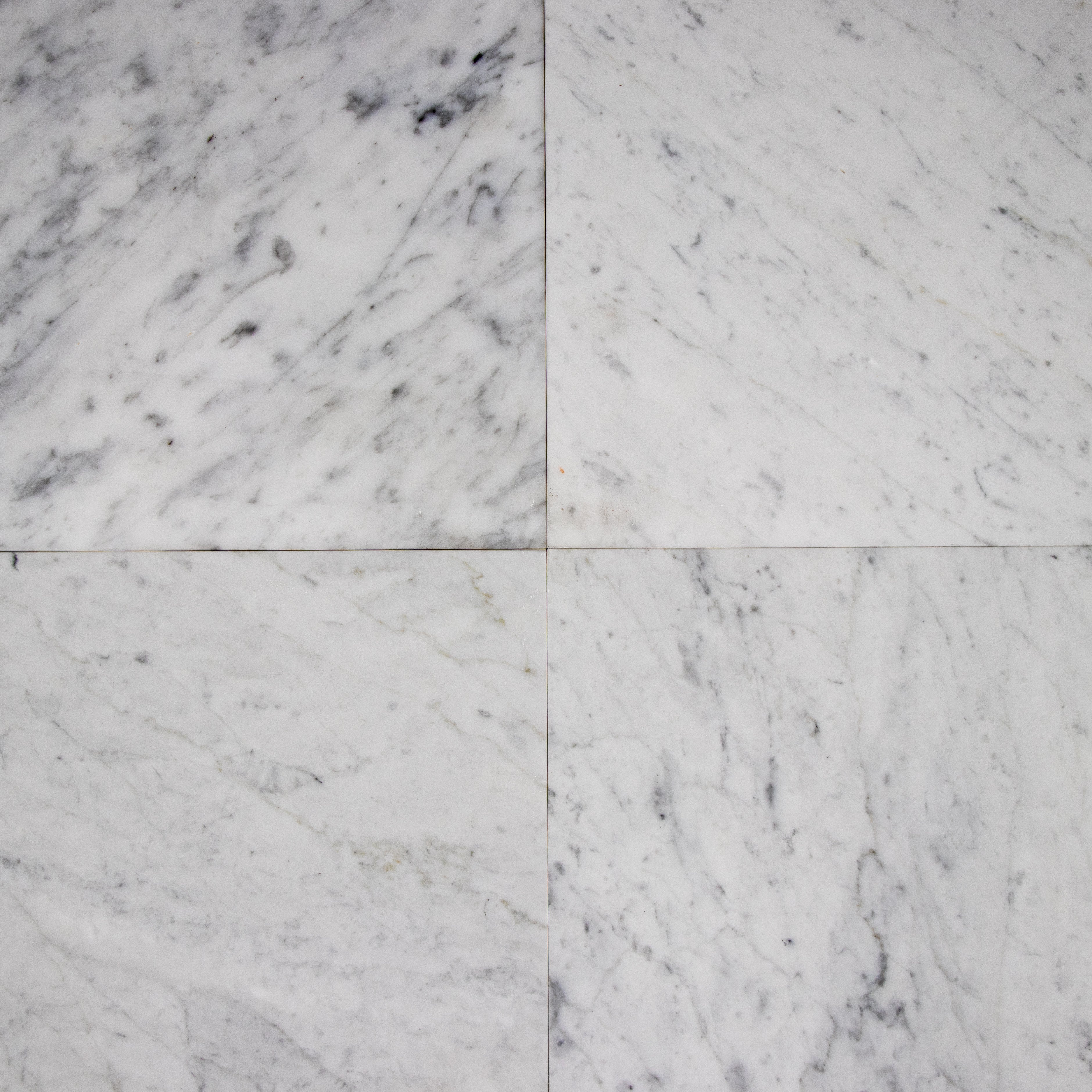
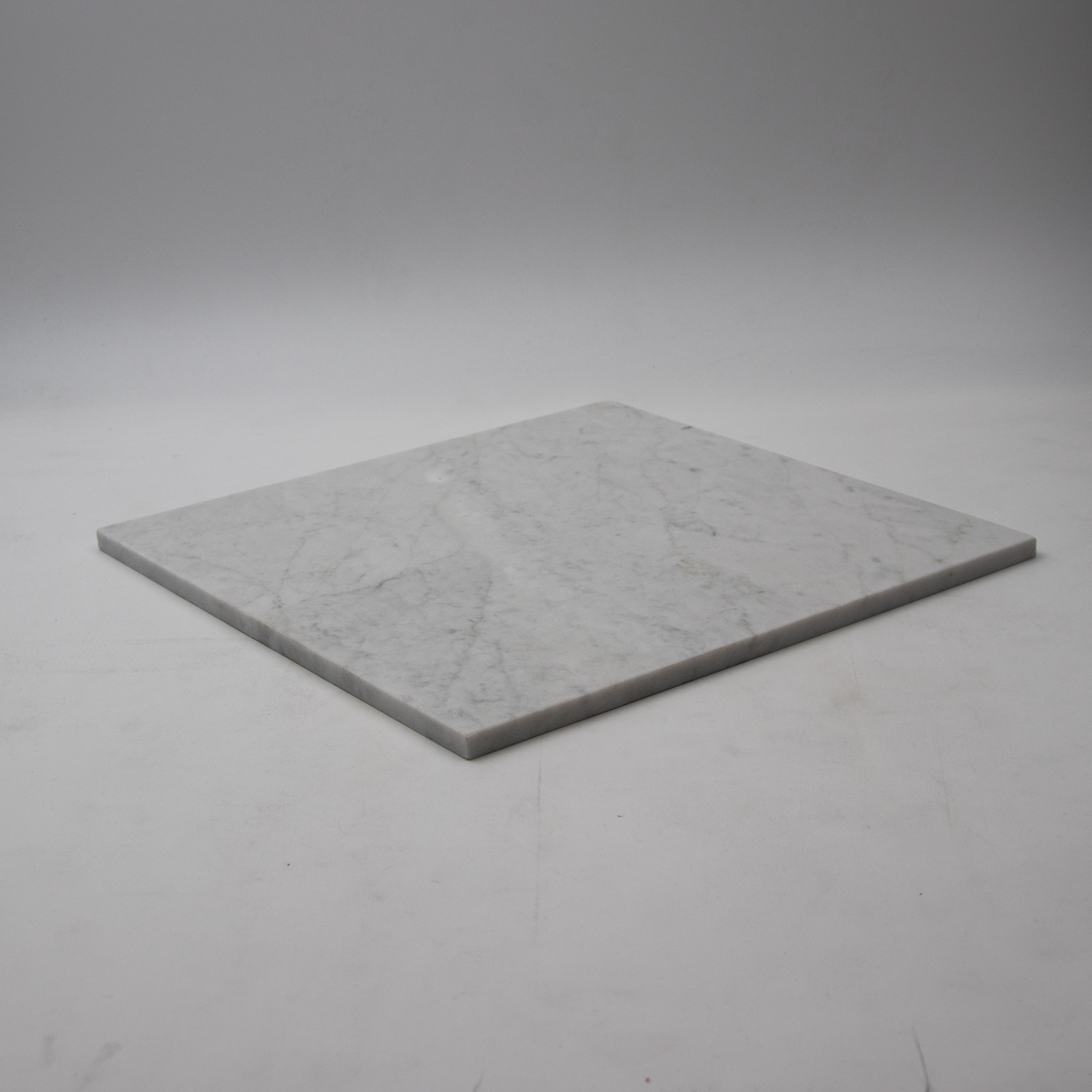
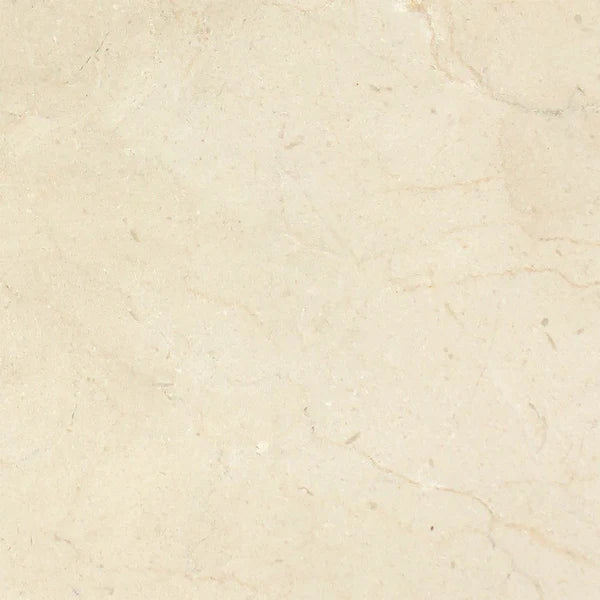
- Natural stone offers unmatched aesthetic versatility and luxury but requires periodic sealing to maintain water resistance and prevent staining.
Selecting the Right Mosaic for Walls vs. Floors

For bathroom floors:
- Choose textured surfaces for better slip resistance.
- Select smaller formats for shower floors.
- Use durable materials designed for wet areas.
For bathroom walls:
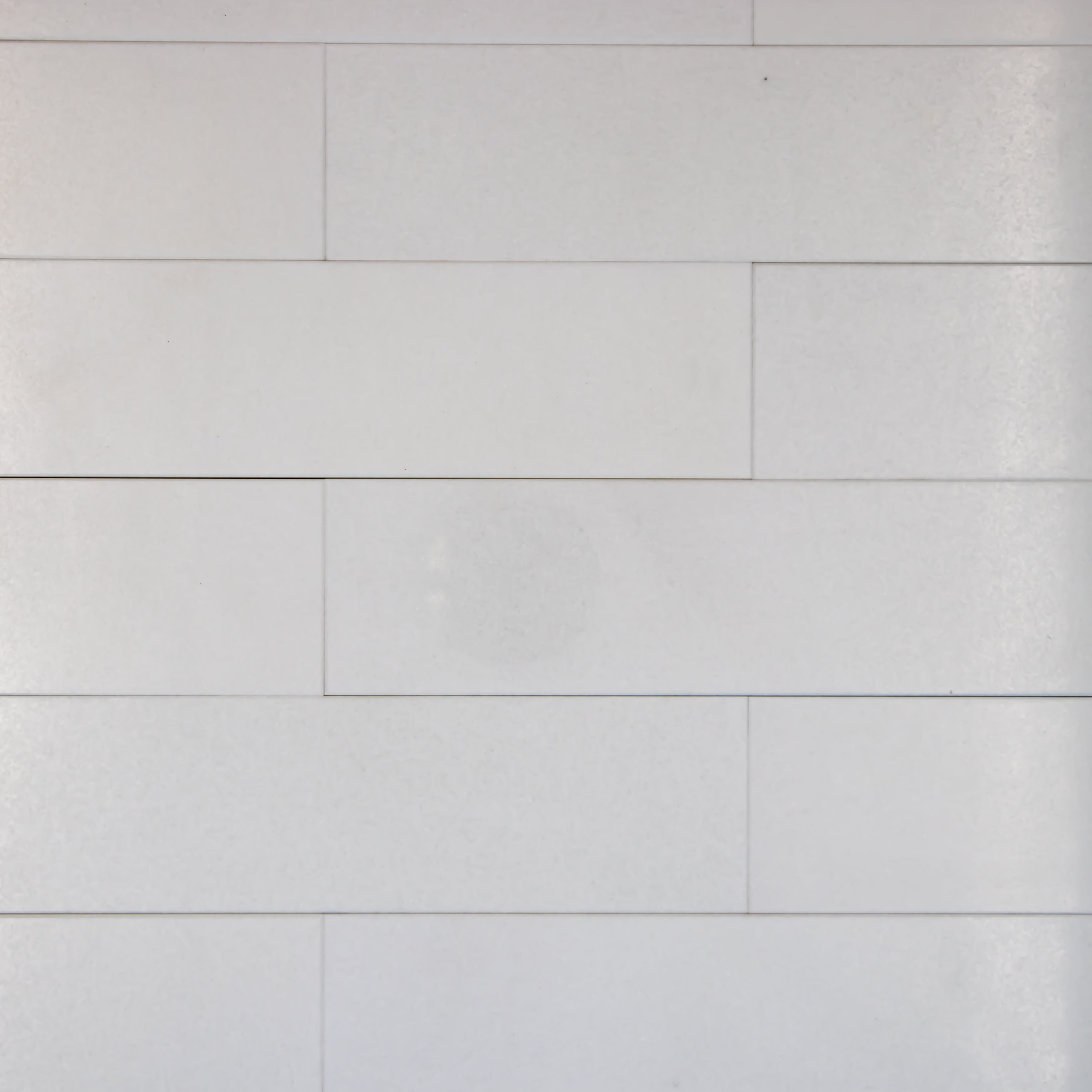
- Large format tiles create visual impact.
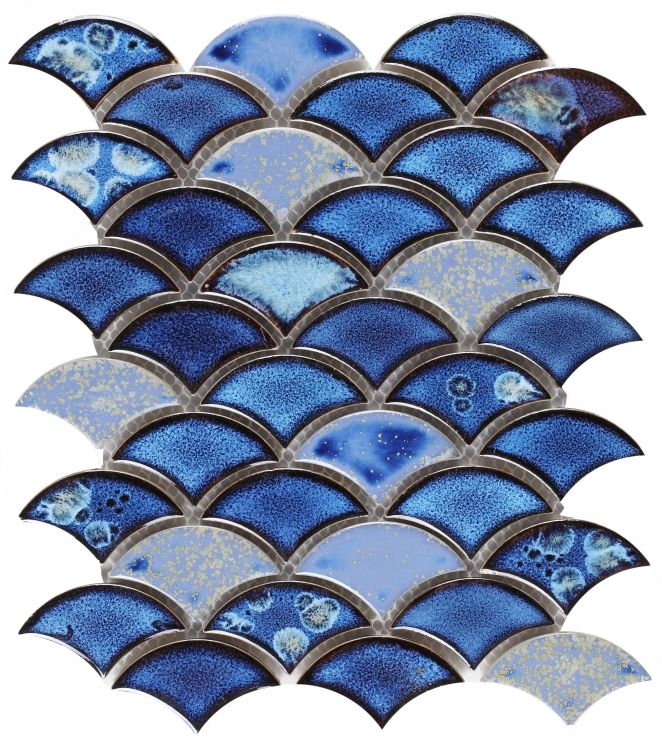
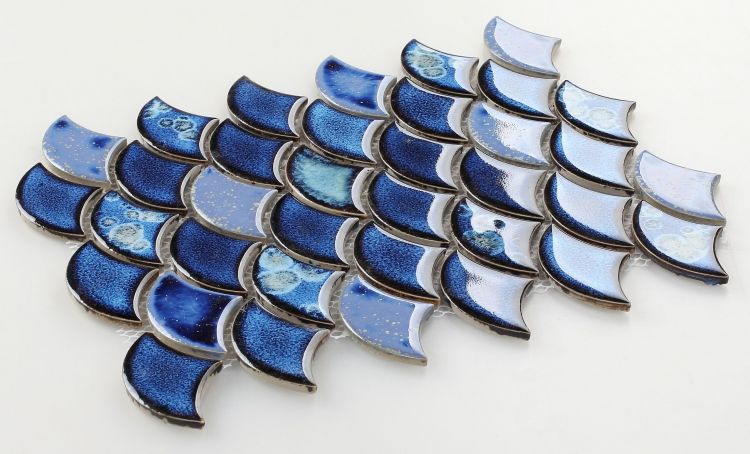
- Decorative finishes can become focal points.
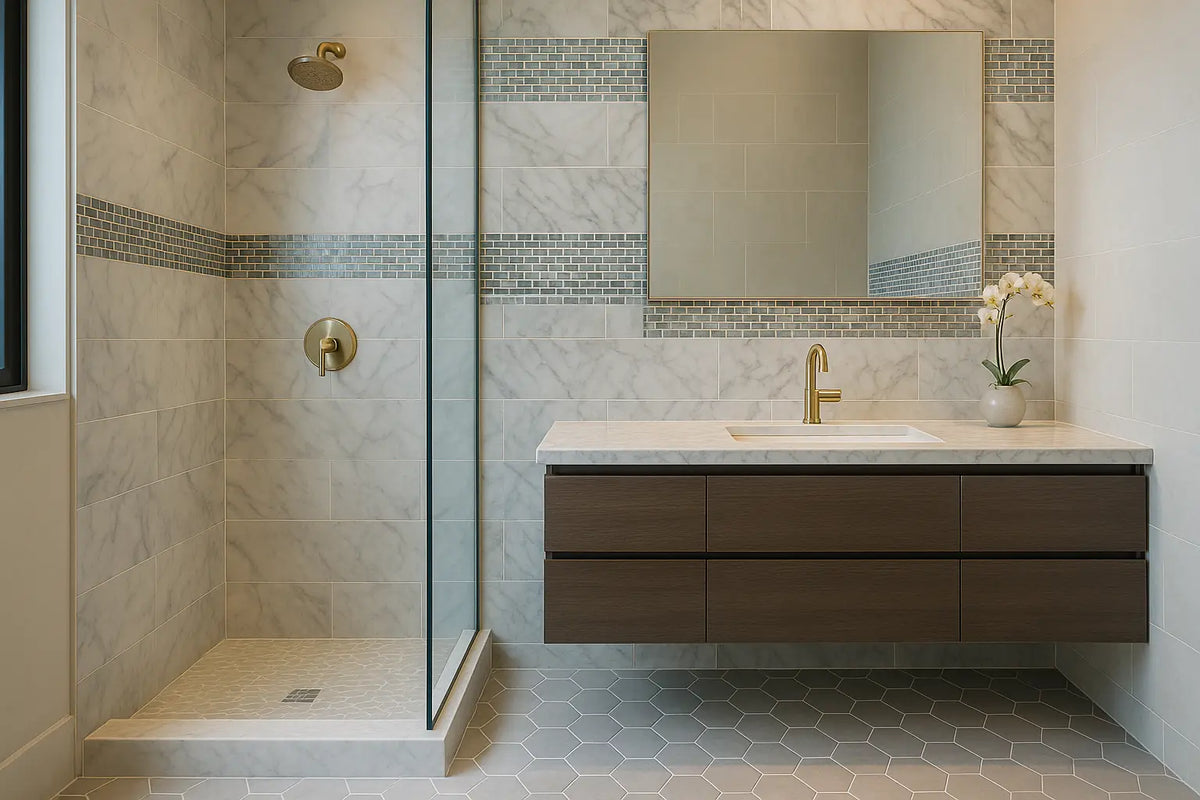
- Glass and natural stone mosaics add luxury detailing.
Step-by-Step Bathroom Remodeling Process
Step 1: Demolition and Surface Preparation

The first stage of remodeling a bathroom involves removing old fixtures, flooring, and damaged materials. Begin with a safe demolition by shutting off water and power lines, then remove old fixtures. Once the space is cleared, check for hidden problems such as water damage, uneven flooring, or deteriorated framing.
Step 2: Plumbing and Electrical Rough-ins
During a full bathroom renovation, plumbing and electrical systems are updated before walls and floors are finished. Update outdated pipes and drainage systems to meet current building codes and prevent future leaks. Install wiring for new lighting, exhaust fans, and GFCI outlets while walls are open. Ensure all rough-ins pass professional inspection milestones before closing the walls to avoid costly rework.
Step 3: Waterproofing and Tile Installation
Poor waterproofing is one of the most costly bathroom renovation mistakes because leaks often remain hidden until significant damage has occurred. Water can penetrate through failed grout joints, unsealed corners, or improperly installed shower membranes, damaging drywall, subflooring, and surrounding finishes. Early warning signs include persistent musty odors, discolored grout, peeling paint, loose tiles, or damp areas around the shower. For the tiling itself, see our guide on how to install mosaic tile on a bathroom floor.
Common Bathroom Remodeling Mistakes to Avoid
Ignoring Waterproofing Standards
One of the most expensive bathroom renovation mistakes is poor waterproofing. Water can enter through weak grout joints, unsealed corners, or poor shower membranes. Without a professional-grade watertight seal, water seeps into the wall cavities, leading to toxic mold growth and structural rot.
Underestimating Material Waste
Always order additional tile material. Ordering exact measurements often leads to shortages. Follow the 10% waste rule for tiles to account for cuts and breakage. This buffer is critical because different dye lots and batches can vary in color; failing to buy enough at once may result in mismatched tiles that ruin the visual continuity.
Skipping the Permit Process
Unpermitted plumbing or electrical work creates significant legal and safety risks. Non-compliant renovations can void home insurance policies and complicate the resale process, as buyers require proof of code compliance. Navigate local standards by consulting your municipal building department before starting structural changes.
Conclusion

A complete bathroom remodeling project requires careful planning, quality materials, and skilled execution. From choosing the right tiles to creating a functional layout, every decision affects the beauty and performance of your finished bathroom.
The best renovations balance design, durability, and practicality. Premium materials such as natural stone, porcelain, and mosaic tiles can create a timeless bathroom that adds value and comfort to your home.
Mosaicenter helps homeowners, designers, and contractors bring their bathroom visions to life with carefully selected tile collections designed for modern and luxury interiors. Contact our technical support team for a professional consultation.
Frequently Asked Questions About Bathroom Remodeling
How do I start planning a bathroom remodel?
Start by defining your goals, setting a realistic budget, measuring the space, selecting materials, and creating a detailed renovation plan before hiring contractors.
Do I need a permit for a bathroom remodel?
Cosmetic updates, such as replacing a vanity or painting walls, typically do not require permits. However, any project involving structural changes, new electrical wiring, or modifications to the plumbing system almost always requires municipal approval. Securing these permits ensures the work meets local safety codes and prevents legal issues during future home sales.
How do I choose tiles for the shower floor?
Prioritize tiles with a high Coefficient of Friction (COF) to ensure slip resistance in wet conditions. Small mosaic tiles are the preferred choice for shower floors because the increased number of grout lines provides essential grip. Additionally, smaller tiles more easily accommodate the necessary slope toward the drain, preventing standing water.
How long does a typical bathroom renovation take?
The timeline depends on the depth of the remodel. Cosmetic updates can often be completed in a few days, while full-scale renovations typically take several weeks.
Can I DIY a bathroom remodel on a budget?
Some tasks like painting, hardware replacement, and simple updates can be DIY-friendly. However, waterproofing, plumbing, and electrical work should usually be handled by professionals.

Halil I Oguz
Founder & Tile Expert
Halil I Oguz is the founder of Mosaicenter, the natural stone and porcelain tile supplier he launched in 2018 and now runs across the United States and Canada.
He leads the company's product selection and writes its technical library, covering DCOF slip ratings and ADA compliance, TCNA installation standards, and the selection and care of natural stone.
His work as a founder has been featured in Authority Magazine. Read full bio →


Leave a comment
This site is protected by hCaptcha and the hCaptcha Privacy Policy and Terms of Service apply.