


30-Second Summary
- Marble offers better durability, lower maintenance, and stronger performance for countertops, floors, and everyday living spaces.
- Onyx stands out for its dramatic appearance and translucent beauty, making it ideal for luxury accent walls and decorative features.
- The best choice depends on your priorities: marble for practicality and longevity, or onyx for maximum visual impact.
When planning a luxury interior project, few decisions have as much visual impact as selecting the right natural stone. Whether you are remodeling a kitchen, upgrading a bathroom, or designing a statement feature wall, the debate of onyx vs marble often comes up. Both stones are admired for their beauty, elegance, and ability to elevate a space, but they differ significantly in performance, durability, maintenance requirements, and ideal applications.
At first glance, onyx and marble may appear similar because both feature stunning natural veining and sophisticated aesthetics. However, understanding their strengths and limitations is essential before investing in a premium surface. This guide compares onyx and marble across countertops, floors, and walls to help you determine which material best suits your project.
Onyx and Marble Formation
Before comparing performance, it helps to understand how these stones are formed.
Marble is a metamorphic stone created when limestone is subjected to heat and pressure over millions of years. It is known for its timeless appeal, elegant veining, and versatility in both traditional and modern interiors.
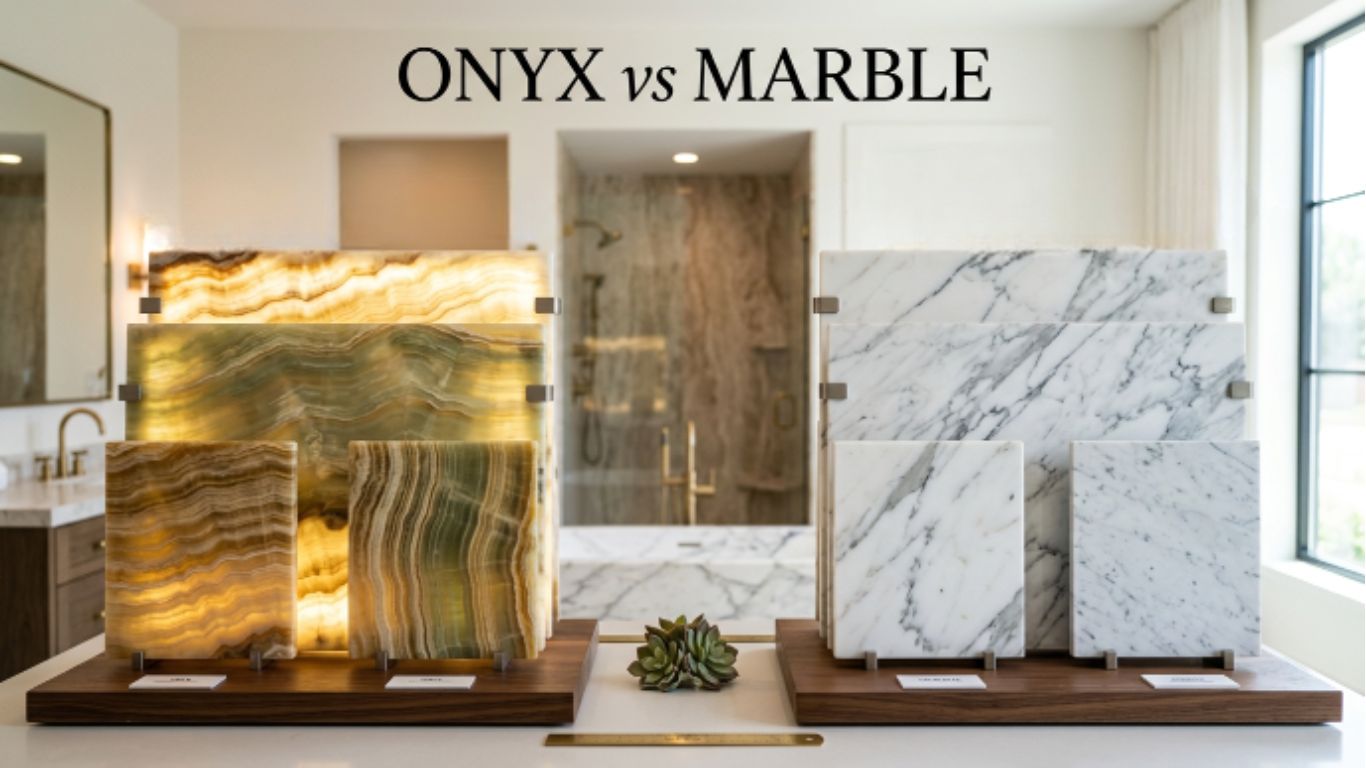
Onyx, on the other hand, is a translucent stone formed from calcite deposits left behind by mineral-rich water. It is famous for its dramatic patterns, vibrant colors, and unique ability to transmit light, making it a favorite for luxury statement installations.
While both materials belong to the natural stone family, their characteristics differ considerably when applied to everyday surfaces.
Appearance and Visual Appeal
For many homeowners and designers, appearance is the primary factor influencing stone selection.
Marble delivers classic sophistication. Its soft veining, subtle color variations, and refined texture have made it a design staple for centuries. Popular varieties such as Carrara, Calacatta, and Statuary marble remain highly sought after because they complement virtually every interior style.
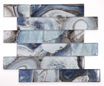
Onyx offers something entirely different. It is bold, artistic, and often dramatic. The stone features swirling patterns and striking color combinations ranging from white and cream to green, gold, amber, and pink. Its translucent quality creates breathtaking effects when backlit.
For homeowners seeking timeless elegance, marble often takes the lead. For those wanting a luxurious focal point that immediately attracts attention, onyx provides unmatched visual drama.
Many designers combine onyx marble tiles with surrounding marble surfaces to create contrast while maintaining a cohesive natural stone aesthetic.
Durability Comparison
When evaluating stone performance, durability is one of the most important considerations.
Marble Durability
Marble is relatively durable and can withstand daily residential use when properly maintained. While it is softer than granite, it performs well in kitchens, bathrooms, hallways, and living areas.
Benefits include:
- Good structural strength
- Long lifespan
- Resistance to cracking under normal use
- Suitable for high-traffic applications
Marble can scratch and etch if exposed to acidic substances, but these issues can often be minimized through sealing and routine maintenance.
Onyx Durability
Onyx is significantly softer and more fragile than marble. Its delicate composition makes it susceptible to:
- Scratches
- Chips
- Cracks
- Surface wear
Due to these characteristics, onyx is generally not recommended for areas subjected to heavy use or impact.
If durability is your top priority, marble is the clear winner.
Which Stone Performs Better for Countertops?

Countertops endure constant exposure to spills, heat, food preparation, and daily wear. Therefore, performance is often more important than appearance alone.
Marble Countertops
Marble remains one of the most popular luxury countertop materials.
Advantages include:
- Excellent visual appeal
- Better durability than onyx
- Suitable for kitchens and bathrooms
- Wide variety of colors and finishes
Marble develops a natural patina over time, which many homeowners appreciate as part of its character.
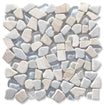
Several marble options available through Mosaic Center's natural stone collection showcase the material's versatility. Elegant white marble mosaics and refined polished marble surfaces can create both classic and contemporary countertop designs.
Onyx Countertops
Although stunning, onyx countertops require extra caution.
Challenges include:
- Easily scratched surfaces
- Greater susceptibility to staining
- Higher maintenance requirements
- Increased risk of chipping
Onyx countertops are often reserved for low-traffic areas such as decorative bars, powder rooms, or luxury statement pieces.
Winner for Countertops
Marble performs significantly better for countertops because it balances beauty with practical durability.
Which Stone Performs Better for Floors?
Flooring demands strength, longevity, and resistance to everyday wear.
Marble Flooring

Marble has been used in flooring applications for centuries because of its ability to withstand foot traffic while maintaining its elegant appearance.
Benefits include:
- Excellent longevity
- Wide range of finishes
- Suitable for residential and commercial spaces
- Strong resale value
Many homeowners choose marble flooring for entryways, bathrooms, kitchens, and living rooms because it provides a sophisticated look without sacrificing functionality.
Products within Mosaic Center's marble collection, including polished and honed marble mosaics, offer exceptional options for creating luxurious floors that remain visually appealing for years.
Onyx Flooring

Onyx flooring presents several challenges.
Due to its softness, it is vulnerable to:
- Scratches from footwear
- Surface damage
- Cracking under heavy loads
- Increased maintenance needs
While onyx floors can look spectacular in exclusive luxury settings, they are not ideal for most high-traffic environments.
Winner for Floors
Marble clearly outperforms onyx for flooring applications because of its superior durability and practical performance.
Which Stone Performs Better for Walls?
Walls represent a unique category because they experience less physical stress than countertops or floors.
Marble Wall Applications
Marble walls create a sophisticated backdrop in:
- Bathrooms
- Living rooms
- Fireplaces
- Entryways
- Feature walls
The stone delivers timeless beauty while requiring relatively little maintenance in vertical installations.
Onyx Wall Applications
This is where onyx truly shines.
Its translucent properties allow designers to create extraordinary visual effects through backlighting. Luxury hotels, upscale restaurants, and high-end residences frequently use onyx as a feature wall material because of its artistic appeal.
A backlit onyx wall can instantly become the focal point of an entire room.
Winner for Walls
For standard wall applications, marble remains a practical and elegant choice.
For dramatic statement walls, onyx often provides a more spectacular visual impact.
Maintenance Requirements
Maintenance plays a major role in long-term satisfaction with natural stone surfaces.
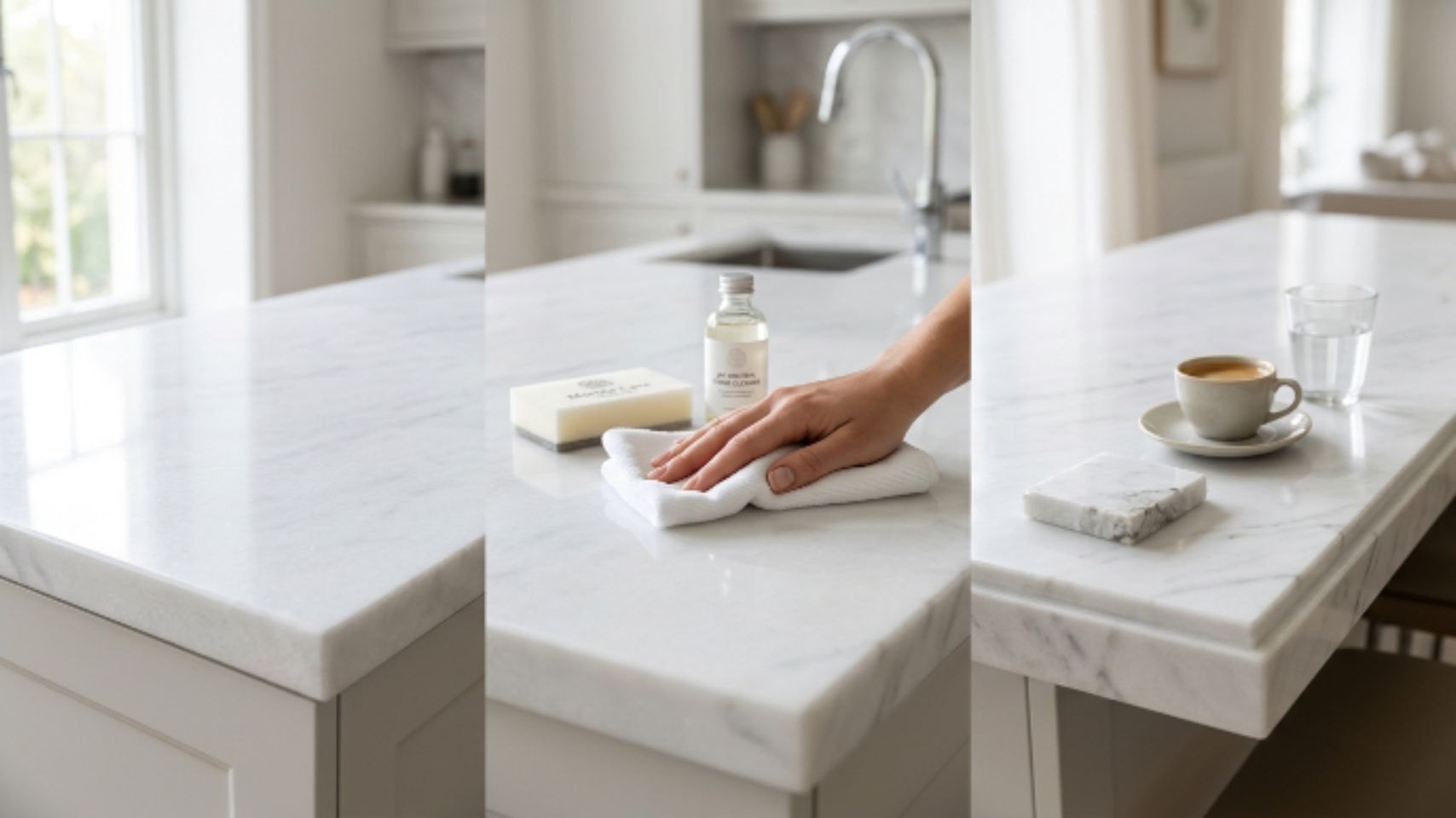
Marble Maintenance
Marble requires:
- Regular sealing
- Prompt cleanup of spills
- Gentle cleaning products
- Periodic professional care
Despite these requirements, marble maintenance is generally manageable for most homeowners.
Onyx Maintenance

Onyx requires greater attention because of its delicate nature.
Owners must be especially careful about:
- Impact damage
- Abrasive cleaners
- Heavy objects
- Acidic substances
Maintenance costs and repair concerns are typically higher with onyx than marble.
Cost Comparison
Budget considerations often influence material selection.
Marble Pricing
Marble prices vary depending on:
- Stone variety
- Thickness
- Finish
- Origin
While premium marble can be expensive, it generally offers a strong balance between cost, beauty, and performance.
Onyx Pricing
Onyx is often more expensive due to:
- Limited availability
- Unique visual characteristics
- Specialized installation requirements
- Higher waste factors during fabrication
Additionally, maintenance and repair costs can increase the overall lifetime expense of onyx installations.
For homeowners seeking long-term value, marble typically delivers a better return on investment.
Design Flexibility
Versatility is another important factor when comparing natural stones.
Marble Design Possibilities
Marble works beautifully in:
- Traditional homes
- Contemporary interiors
- Transitional designs
- Luxury commercial spaces
Its neutral tones and elegant veining make it one of the most adaptable materials available.
Onyx Design Possibilities
Onyx excels in:
- Luxury feature walls
- Decorative accents
- Backlit installations
- High-end hospitality environments
Because of its bold appearance, onyx is often used selectively rather than throughout an entire space.
Best Applications for Marble
Marble is ideal for:
- Kitchen countertops
- Bathroom vanities
- Flooring
- Shower walls
- Backsplashes
- Fireplace surrounds
- Living room feature walls
Many homeowners exploring a premium natural stone tile solution ultimately choose marble because it combines beauty, versatility, and practical performance.
Mosaic Center's curated marble collection showcases a variety of elegant designs suitable for virtually every room in the home, from refined bathroom mosaics to statement wall installations.
Best Applications for Onyx
Onyx performs best in:
- Decorative walls
- Backlit panels
- Luxury powder rooms
- Artistic installations
- Accent features
- Reception areas
When used strategically, onyx can transform ordinary spaces into extraordinary visual experiences.
Factors to Consider Before Making Your Decision
When choosing the right natural stone, ask yourself the following questions:
- Will the surface experience heavy daily use?
- How much maintenance are you comfortable with?
- Are you prioritizing durability or visual impact?
- Does your budget include long-term maintenance costs?
- Do you want a timeless look or a dramatic statement piece?
Answering these questions will help narrow your options and ensure your investment aligns with your lifestyle and design goals.
The Final Verdict
Both onyx and marble bring exceptional beauty to interior spaces, but they serve different purposes. Marble stands out as the superior all-around performer for countertops, floors, and most wall applications thanks to its durability, versatility, and long-term value. It delivers timeless elegance while meeting the practical demands of everyday living.
Onyx, meanwhile, excels as a luxury accent material. Its breathtaking translucency and dramatic patterns make it ideal for statement walls and decorative installations where visual impact is the primary objective.
For most residential projects, marble offers the best combination of performance and aesthetics. However, when used thoughtfully, onyx can create unforgettable focal points that elevate a design from beautiful to extraordinary.
If you're ready to transform your home with premium natural stone surfaces, explore Mosaicenterextensive collection of marble and onyx tiles to find the perfect option for your next renovation or design project.
FAQs
1. Is onyx more expensive than marble?
Yes, onyx is generally more expensive than marble due to its rarity, unique appearance, and specialized installation requirements. It may also have higher maintenance and repair costs over time.
2. Which stone is better for kitchen countertops, onyx or marble?
Marble is typically the better choice for kitchen countertops because it is more durable and better suited to handle daily use, spills, and food preparation activities.
3. Can onyx be used for flooring?
Onyx can be used for flooring, but it is not recommended for high-traffic areas because it is softer and more prone to scratches, chips, and cracks than marble.
4. Does marble require regular maintenance?
Yes, marble should be sealed periodically and cleaned with pH-neutral products to protect it from stains, etching, and everyday wear.
5. Where does onyx perform best in interior design?
Onyx performs best in decorative applications such as feature walls, backlit panels, luxury bathrooms, and statement installations where its translucent beauty can be fully appreciated.

Halil I Oguz
Founder & Tile Expert
Halil I Oguz is the founder of Mosaicenter, the natural stone and porcelain tile supplier he launched in 2018 and now runs across the United States and Canada.
He leads the company's product selection and writes its technical library, covering DCOF slip ratings and ADA compliance, TCNA installation standards, and the selection and care of natural stone.
His work as a founder has been featured in Authority Magazine. Read full bio →

Leave a comment
This site is protected by hCaptcha and the hCaptcha Privacy Policy and Terms of Service apply.