

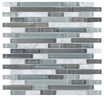
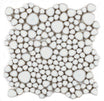
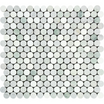

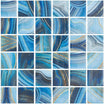
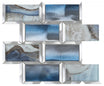
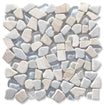
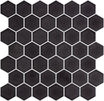
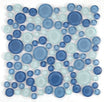

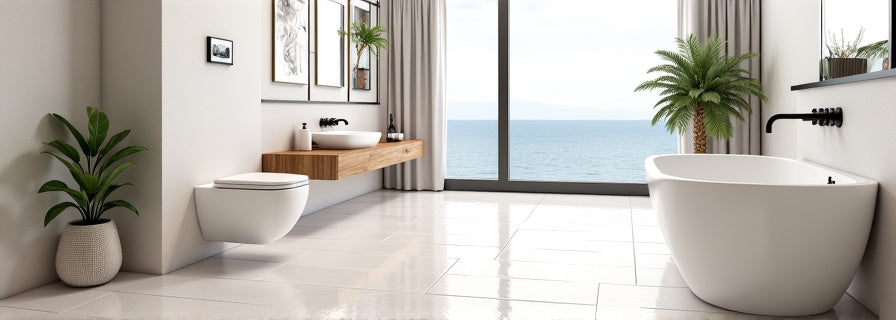
Bathroom Floor Tiles
Bathroom floor tile has to handle standing water, bare feet, and daily cleaning without losing its finish or its grip. Porcelain is the default choice because it absorbs less than 0.5% water by weight; natural stone like honed marble or limestone works too, but needs sealing to match that resistance. Our bathroom floor collection runs from 1x1 mosaics to 24x24 field tile, in matte, honed, and tumbled finishes built for wet-area traction. Browse by large-format, marble, or hexagon below or filter by material and size.
Filters
1547 products
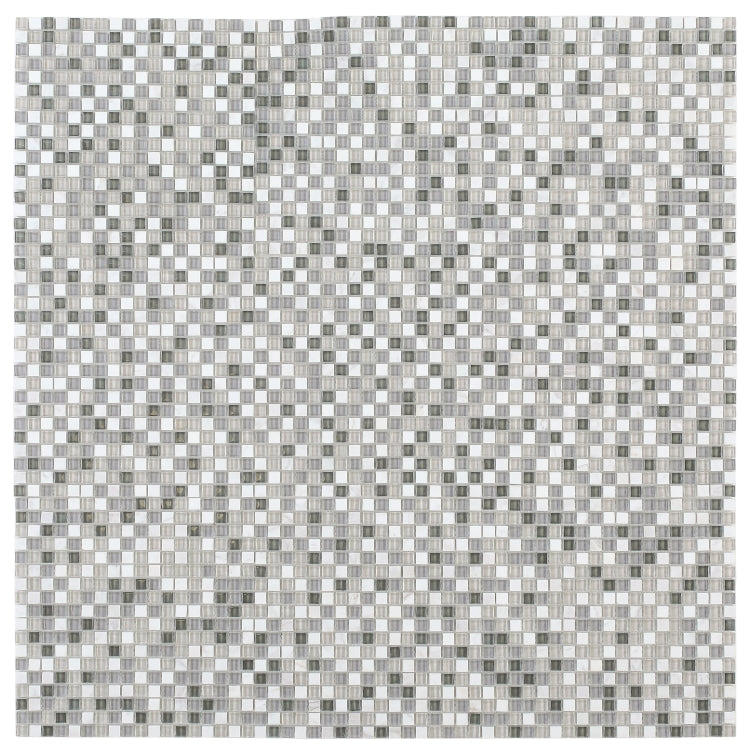
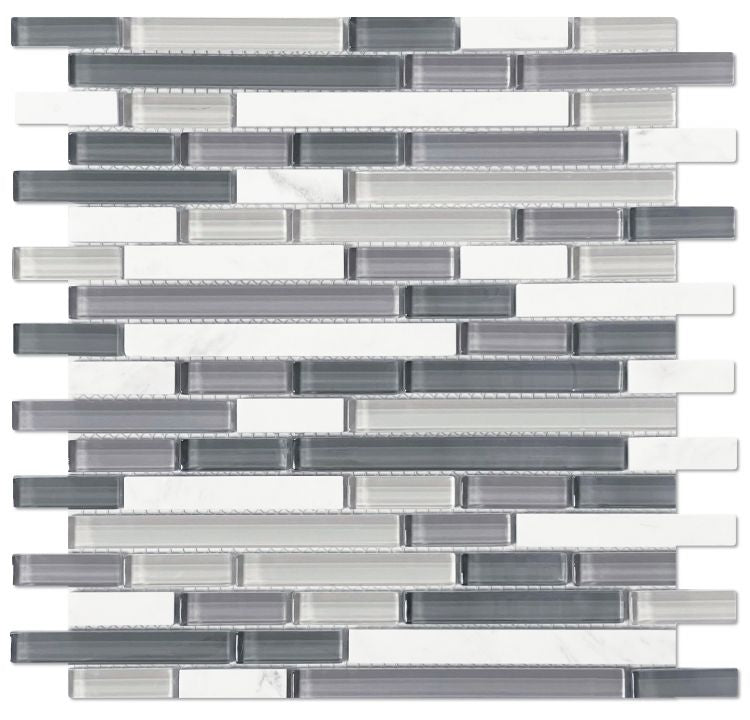

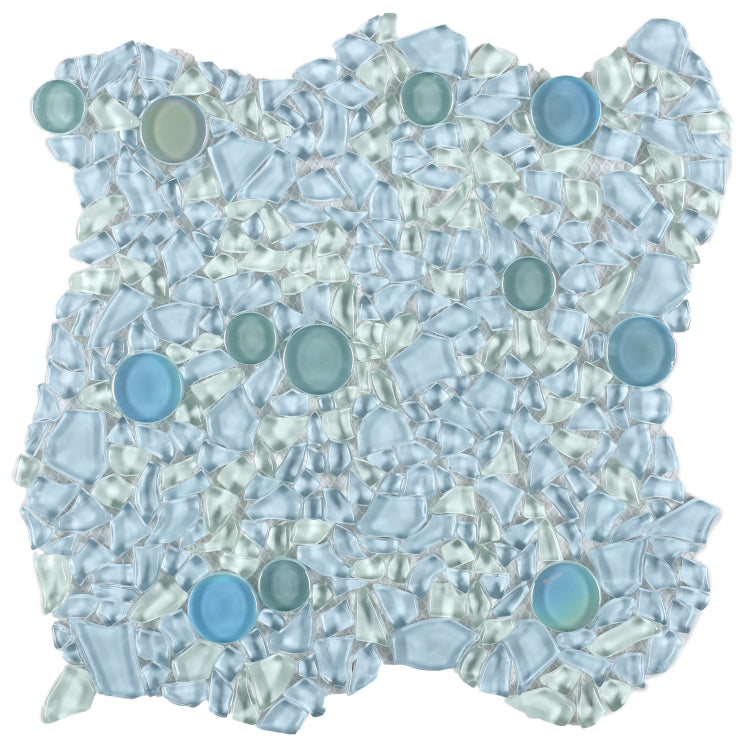
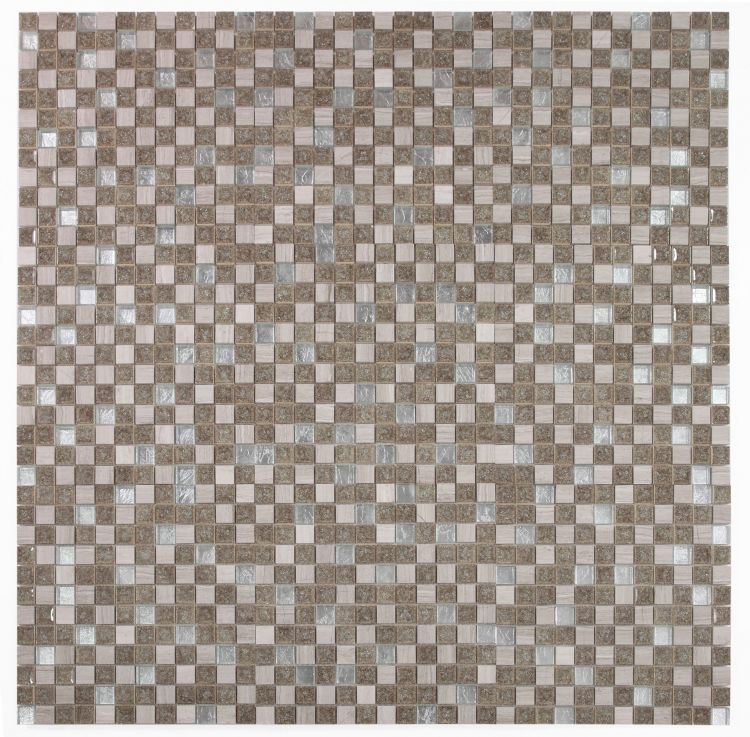
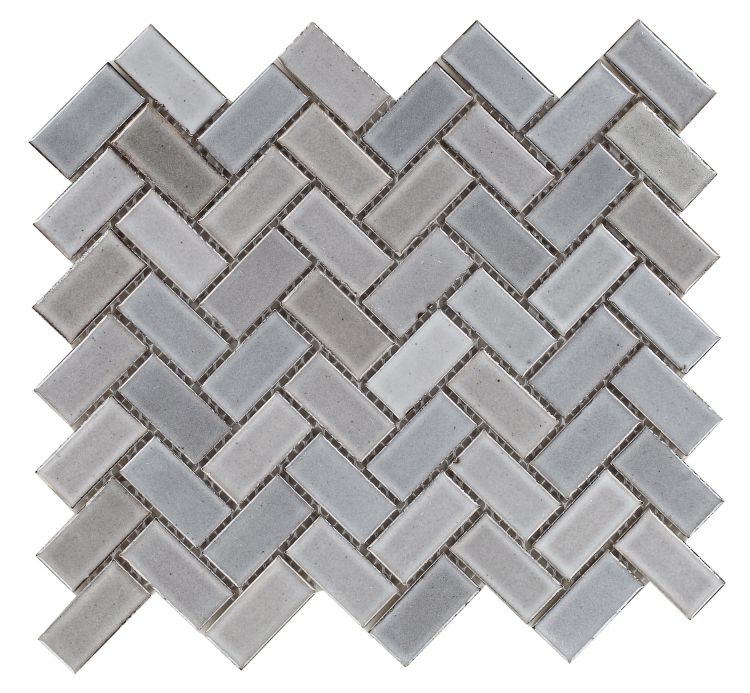
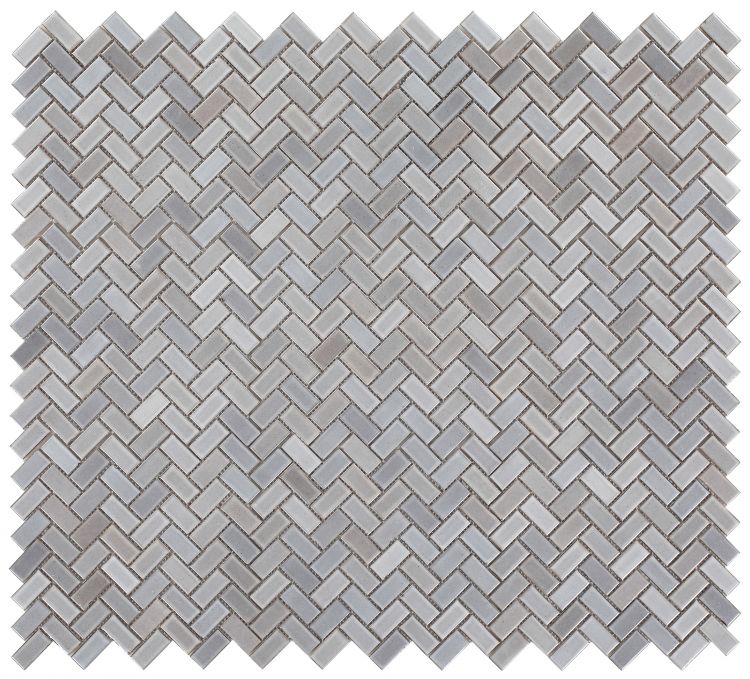
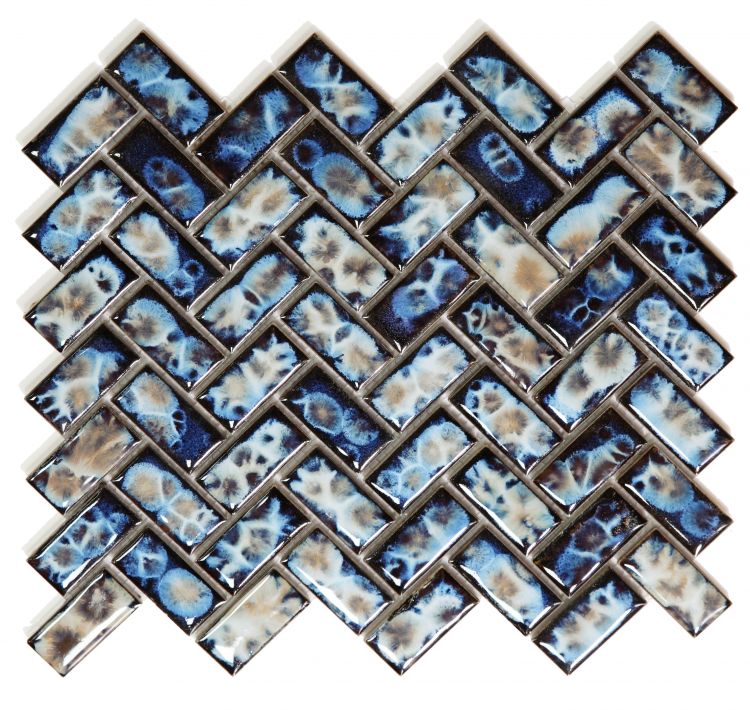
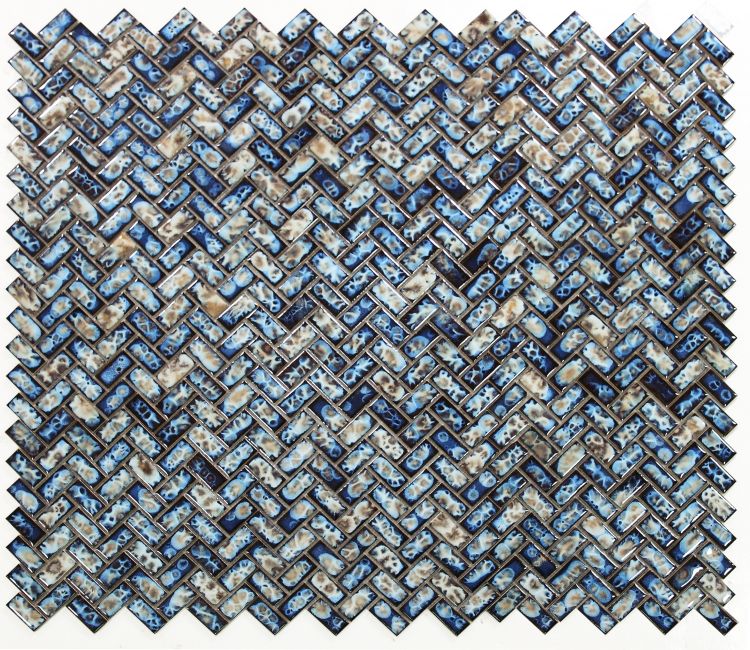


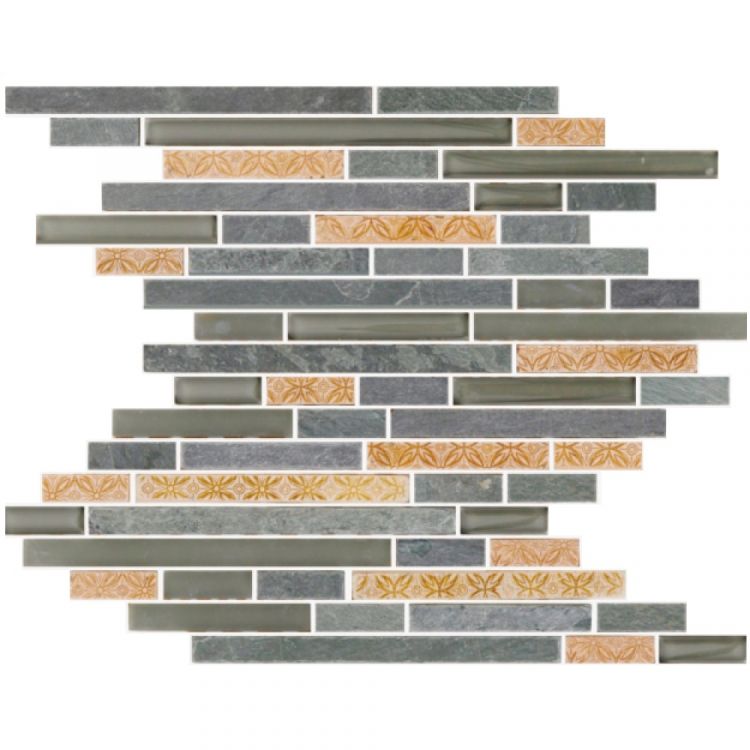
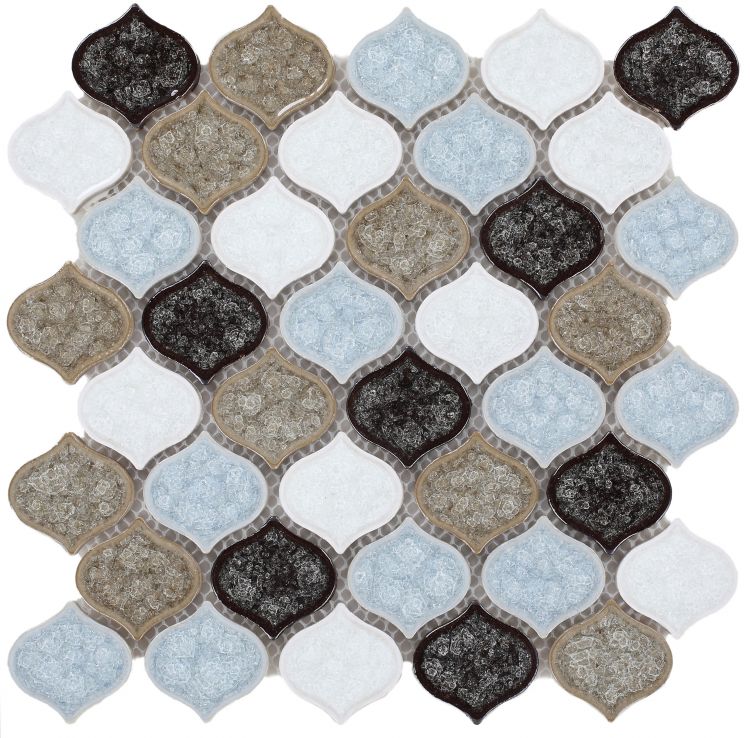

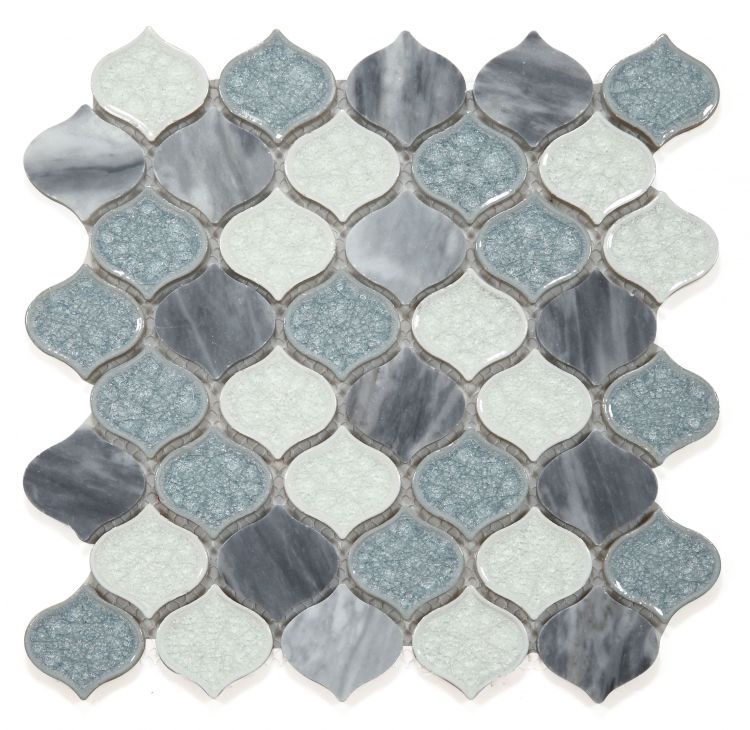

Related Searches
- Large Format Tiles for Floor
- Marble Tiles for Floor
- Stone Tiles for Floor
- Wood Tiles for Floor
- Basketweave Tiles for Floor
- Chevron Tiles for Floor
- Herringbone Tiles for Floor
- Hexagon Tiles for Floor
- Octagon Tiles for Floor
- Square Tiles for Floor
- Subway Tiles for Floor
- Limestone Tiles for Floor
- Marble Tiles for Floor
- Travertine Tiles for Floor
- Mosaic Tiles for Floor
- Slate Tiles for Floor
- Vinyl Tiles for Floor
- Glass Tiles for Floor
- Natural Stone Tiles for Floor
- Ceramic Tiles for Floor
- Porcelain Tiles for Floor
- Beige Tiles for Floor
- Black Tiles for Floor
- Blue Tiles for Floor
- Brown Tiles for Floor
- Cream Tiles for Floor
- Gold Tiles for Floor
- Gray Tiles for Floor
- Green Tiles for Floor
- Pink Tiles for Floor
- Red Tiles for Floor
- Silver Tiles for Floor
- White Tiles for Floor
- Yellow Tiles for Floor
- Subway Tiles for Bathroom
- Limestone Tiles for Bathroom
- Marble Tiles for Bathroom
- Travertine Tiles for Bathroom
- Ceramic Tiles for Bathroom
- Glass Tiles for Bathroom
- Mosaic Tiles for Bathroom
- Natural Stone Tiles for Bathroom
- Porcelain Tiles for Bathroom
- Slate Tiles for Bathroom
- Vinyl Tiles for Bathroom
- Beige Tiles for Bathroom
- Black Tiles for Bathroom
- Blue Tiles for Bathroom
- Brown Tiles for Bathroom
- Cream Tiles for Bathroom
- Gold Tiles for Bathroom
- Gray Tiles for Bathroom
- Green Tiles for Bathroom
- Pink Tiles for Bathroom
- Red Tiles for Bathroom
- Silver Tiles for Bathroom
- White Tiles for Bathroom
- Yellow Tiles for Bathroom
Bathroom Floor Tile: What Actually Holds Up
A bathroom floor sees standing water, bare feet, and cleaning chemicals every day, so material and finish matter more here than almost anywhere else in the house. Porcelain tile absorbs under 0.5% water by weight, which is why it's the default for bathroom floors, while natural stone needs sealing to reach that same level of protection. Finish matters as much as material: matte, honed, and tumbled surfaces grip better underfoot than polished ones, and that difference shows up the first time the floor gets wet. Sizes in this collection run from 1x1 mosaic up to 24x24 field tile, so the same buying rules apply whether you're tiling a powder room or a full primary bath.
How to Choose the Right Tiles
Material density and finish determine how a bathroom floor performs, not just how it looks.
Porcelain & Ceramic
Porcelain tile is fired at a higher temperature than ceramic and absorbs under 0.5% water, which is why most bathroom floors and shower pans use porcelain rather than ceramic.
Ceramic tile works well on bathroom walls and in powder rooms with light foot traffic, and comes in a wider range of glazes and price points than porcelain.
Marble & Natural Stone
Marble, limestone, and travertine bring natural veining to a bathroom floor, but the stone is porous and needs a penetrating sealer at installation and again about once a year in wet areas.
Honed and tumbled finishes grip better than polished stone underfoot, which is why most bathroom floors use a honed or tumbled face rather than a high-gloss polish.
Glass Tiles & Mosaics
Glass tile doesn't absorb water, so it holds up on shower floors and wet walls without staining or needing a reglaze.
Smaller mosaic formats add more grout lines per square foot than large-format tile, and those extra joints improve underfoot traction. That's why 1x1 and 2x2 mosaics are common on shower floors.
Design Ideas for Every Bathroom Size
Tile size and layout change how a bathroom reads, regardless of the room's actual footprint.
Small Bathroom Design
Large-format tile, 12x24 and up, cuts down on visible grout lines and reads as one continuous surface, which makes a small bathroom floor look bigger. Carrying the tile a few inches up the wall, or matching the wall tile tone to the floor, removes the visual break where floor meets wall.
Medium Bathroom Design
A medium bathroom has enough floor area to mix a plain field tile with a patterned or textured tile on the shower wall or a single accent strip, without the layout feeling busy. Keep the accent to one wall or one zone so it reads as a feature rather than clutter.
Large Bathroom Design
A large bathroom floor can carry bold veining, a bookmatched stone layout, or a geometric mosaic border without overwhelming the room. Use the extra square footage to separate zones. A different tile or pattern under the tub, around the vanity, or inside the shower gives each area its own identity.
Creating a Cohesive Look
Stick to two or three tile sizes and one accent color to keep a bathroom looking planned rather than assembled. A neutral field tile paired with a single accent in the shower niche, on a border, or as trim gives the room a consistent line without extra cost.
Bathroom Floor Tile Inspiration
Color and pattern choices that hold up to daily use, not just a showroom photo.
Tile Color Profiles
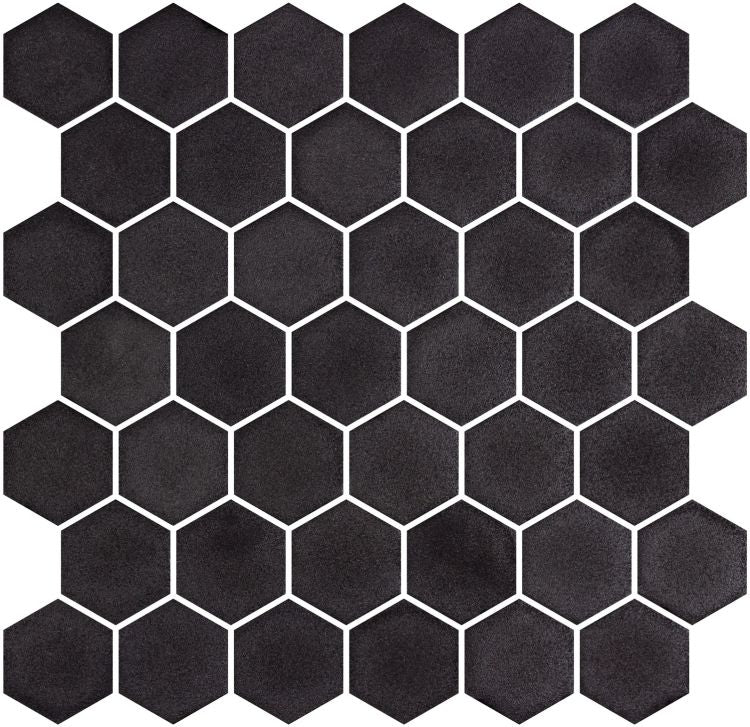
White and light gray floor tile reflects the most light and works well in bathrooms with limited natural light. Black and charcoal tile hides water spots and soap scum better than white, which matters on a floor that gets wet daily. Beige and greige tones sit between the two and work against both warm and cool wall colors.
Tile Geometry & Patterns
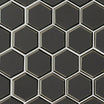
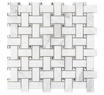
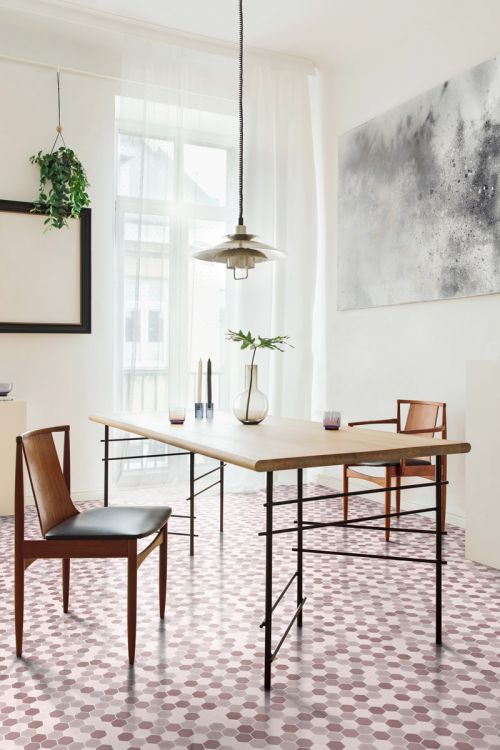
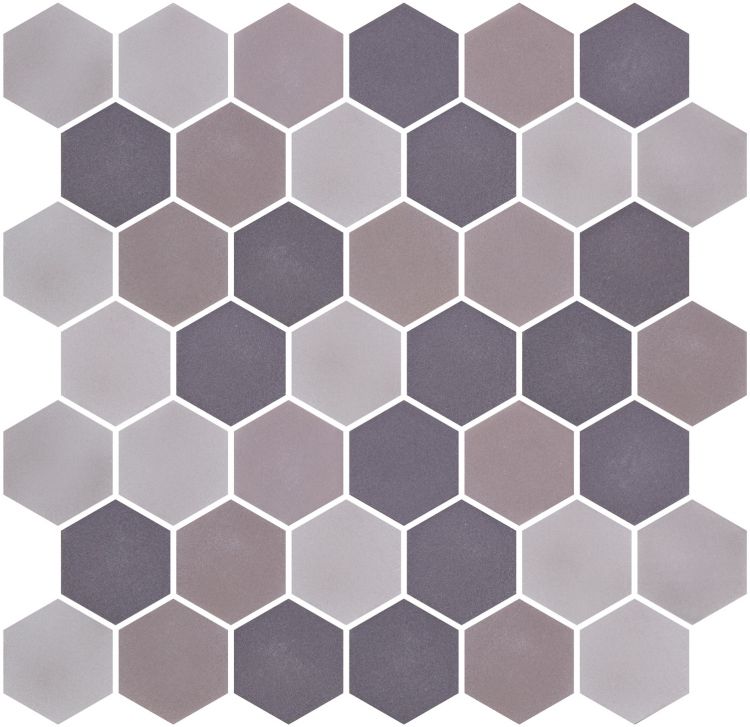
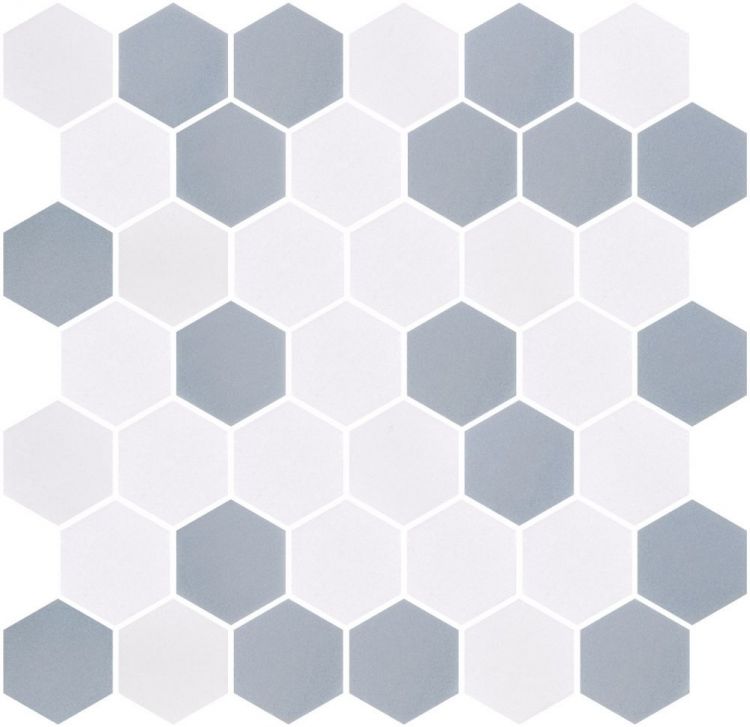
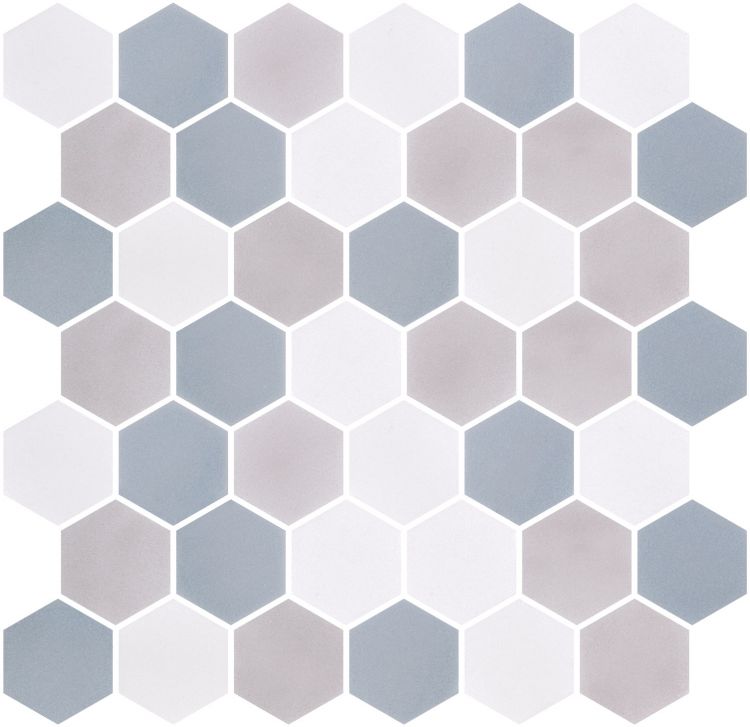
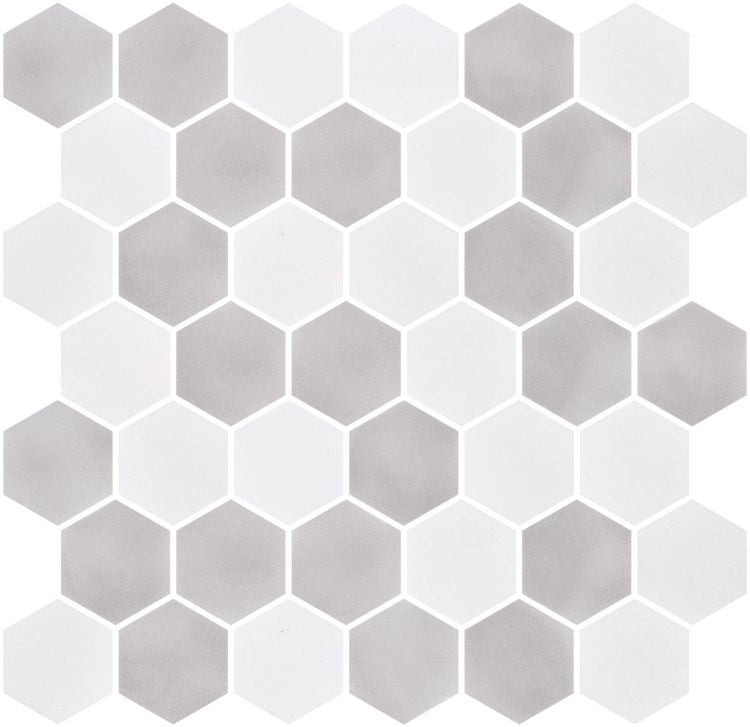
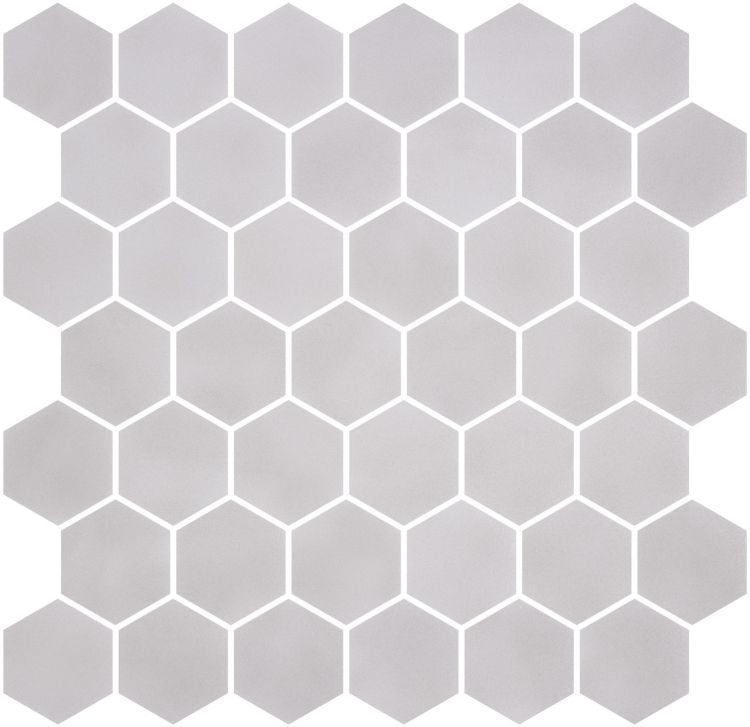
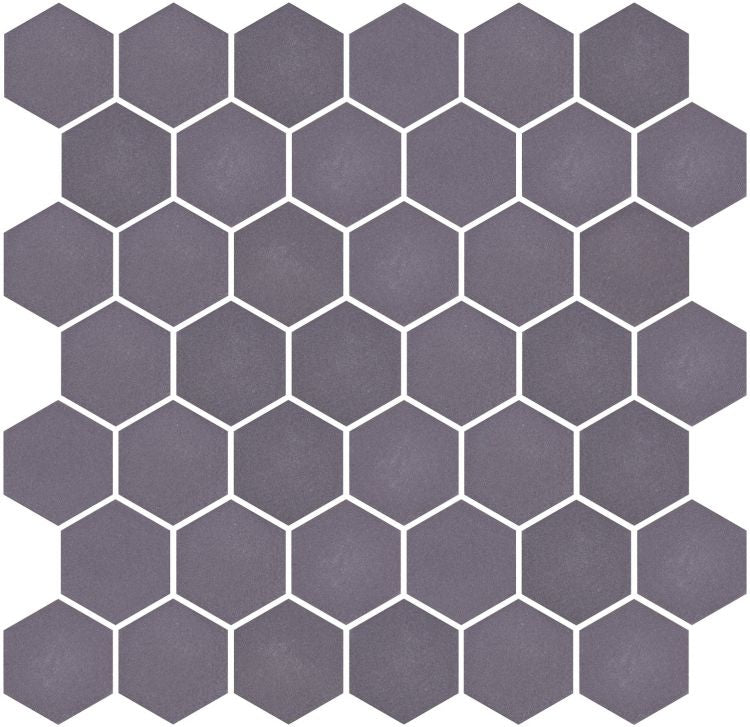
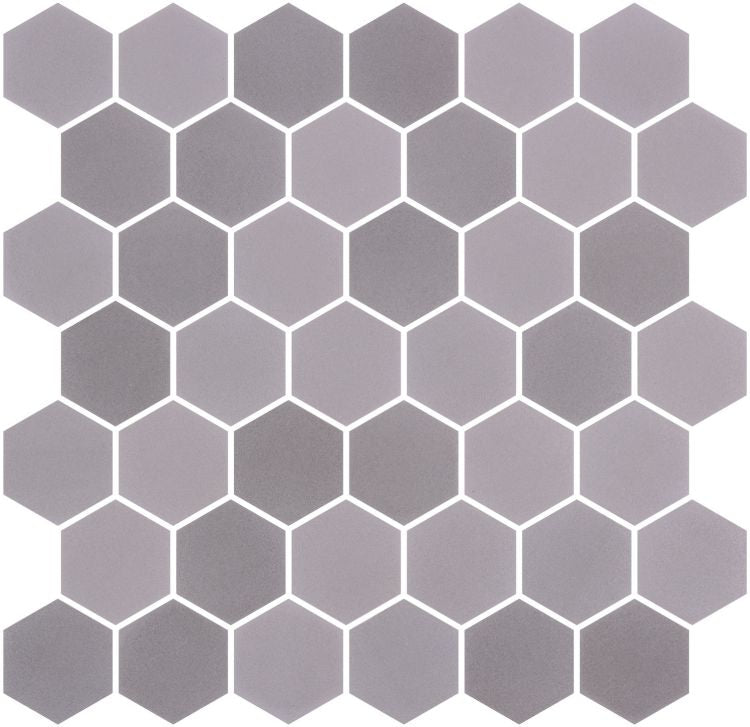
Hexagon and penny-round mosaics add grip through extra grout lines, which is why they show up more on shower floors than on open bathroom floors. Herringbone and basketweave patterns work with rectangular tile in any material and add movement to a plain field without a second color.
Safety & Surface Performance
The specs that determine whether a floor stays safe once it's wet.
Slip Resistance
The standard test for bathroom floor tile is DCOF (dynamic coefficient of friction), measured wet. The tile industry recommends a wet DCOF of at least 0.42 for floors that get walked on with wet feet, and shower floors typically call for more. Matte, honed, and tumbled finishes test higher than polished tile, which is why polished stone and glossy porcelain usually go on walls instead of floors.
Waterproofing
A bathroom floor needs a waterproof membrane or waterproof backer board under the tile, not just sealed grout at the surface. Water that gets past the grout joints without a membrane underneath can sit against the subfloor and cause rot or mold that isn't visible until the tile comes up.
Radiant Floor Heating
Porcelain and natural stone both conduct heat well, which makes them a good match for electric or hydronic radiant floor systems. The heating mat or cable goes down under the tile during installation, with thin-set applied over it, so this has to be planned before the floor goes down, not after.
Installation & Maintenance Guide
The steps that determine whether the floor lasts, past the point of purchase.
Installation Best Practices
Check the subfloor for level before setting tile. More than 1/8 inch of variance over a 10-foot span calls for a self-leveling compound first. Use a waterproof membrane or backer board rated for wet areas, and back-butter anything larger than 12x12 so there are no voids under the tile that can crack under weight.
Care & Cleaning Routines
Porcelain floor tile needs regular sweeping and a pH-neutral cleaner. Avoid vinegar or other acidic cleaners on polished or honed natural stone, since acid etches the surface. Reseal natural stone floors about once a year, or sooner in a shower, and test by dripping water on the surface; if it stops beading, it's time to reseal.

Halil I Oguz
Free Design Consultation
Choosing the perfect tiles can be tricky. Speak with our experienced tile experts. We will guide you through selecting the best colors, patterns, and materials to match your style and needs.