

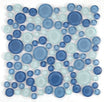
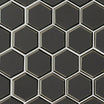
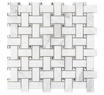
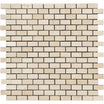
Bathroom Tiles
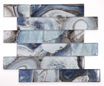
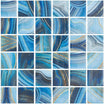
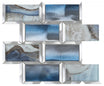
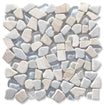
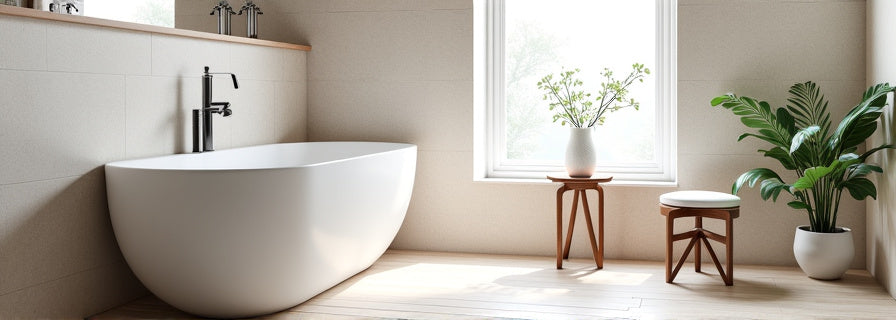
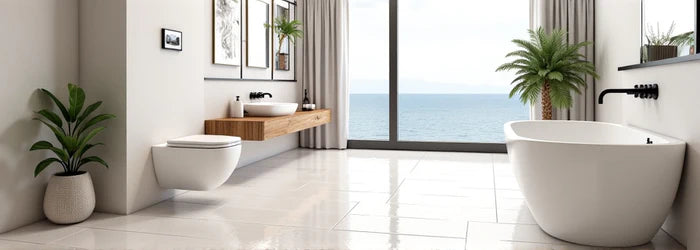
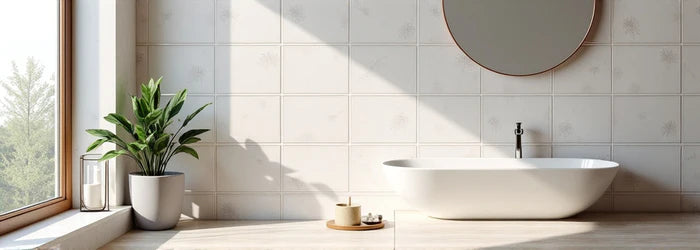
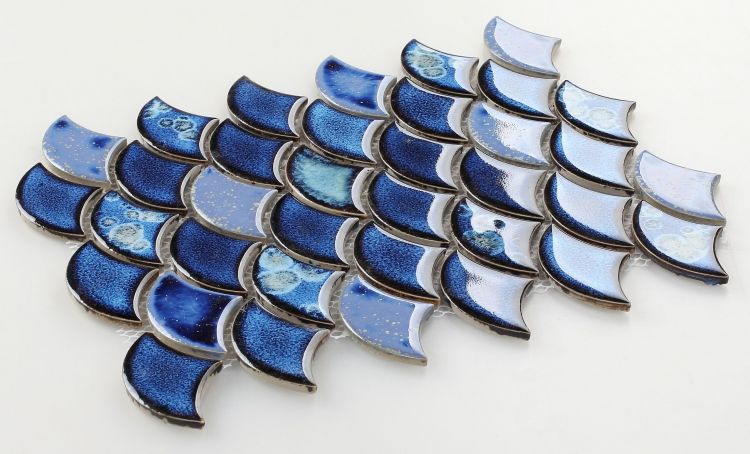
Explore over 2,500 luxury Mosaicenter Bathroom Tiles built for floors, walls, and wet rooms. From slip-resistant bathroom floor tiles and waterproof shower mosaics to classic subway tile for vanities and backsplashes, our collection handles heavy moisture without sacrificing style. Order today to get durable porcelain, ceramic, and natural marble delivered straight to your job site with fast shipping and safe with insured delivery.
Filters
1530 products
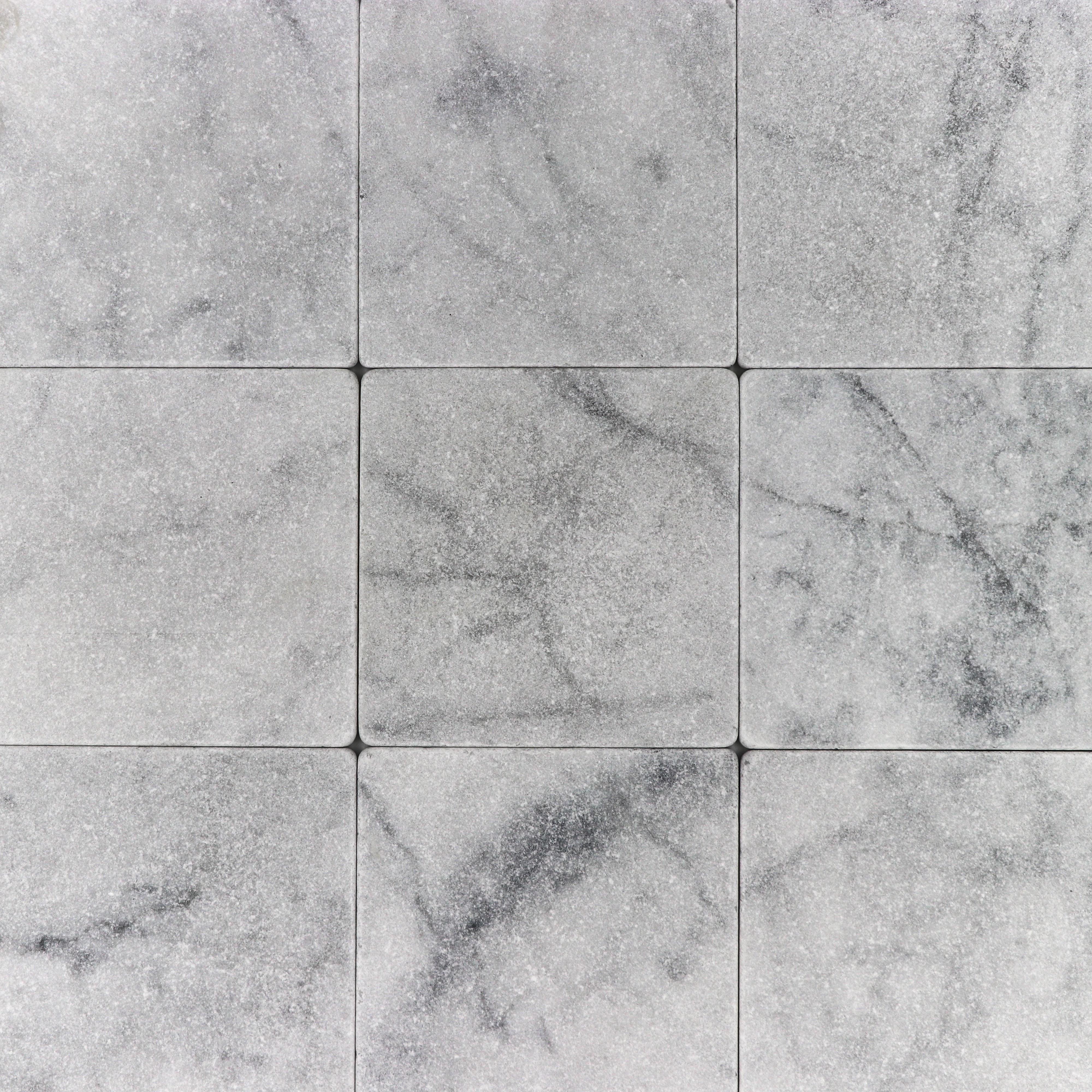
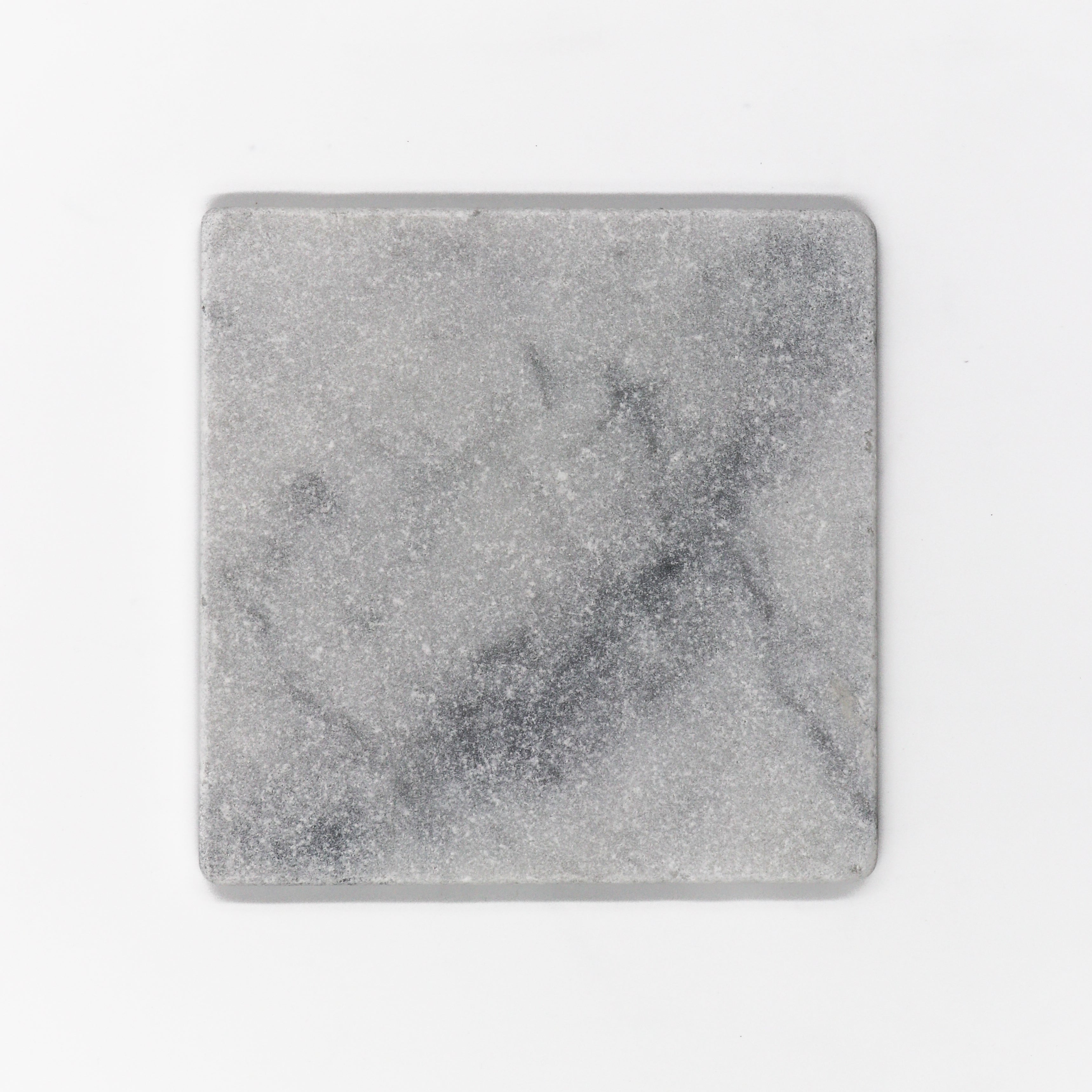
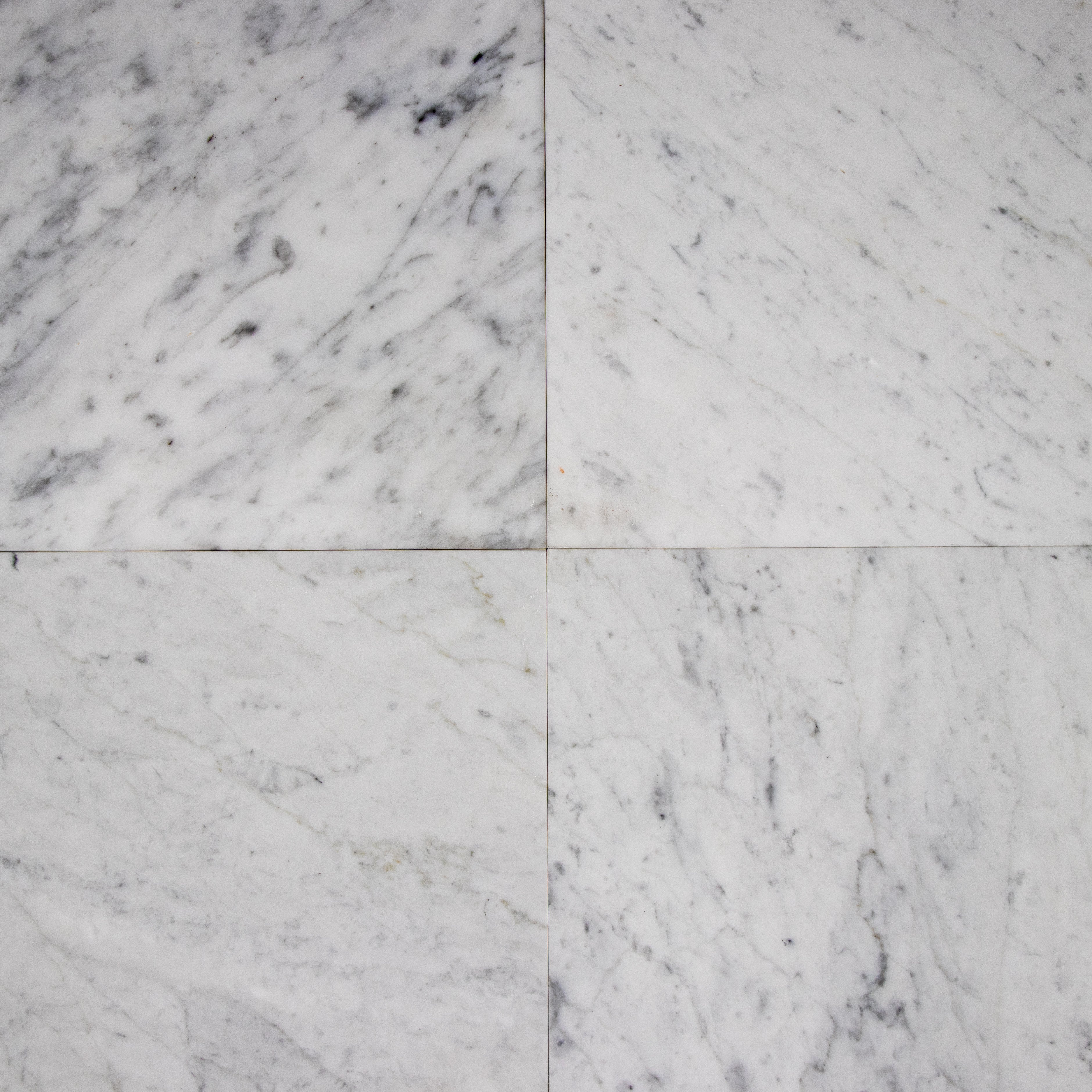
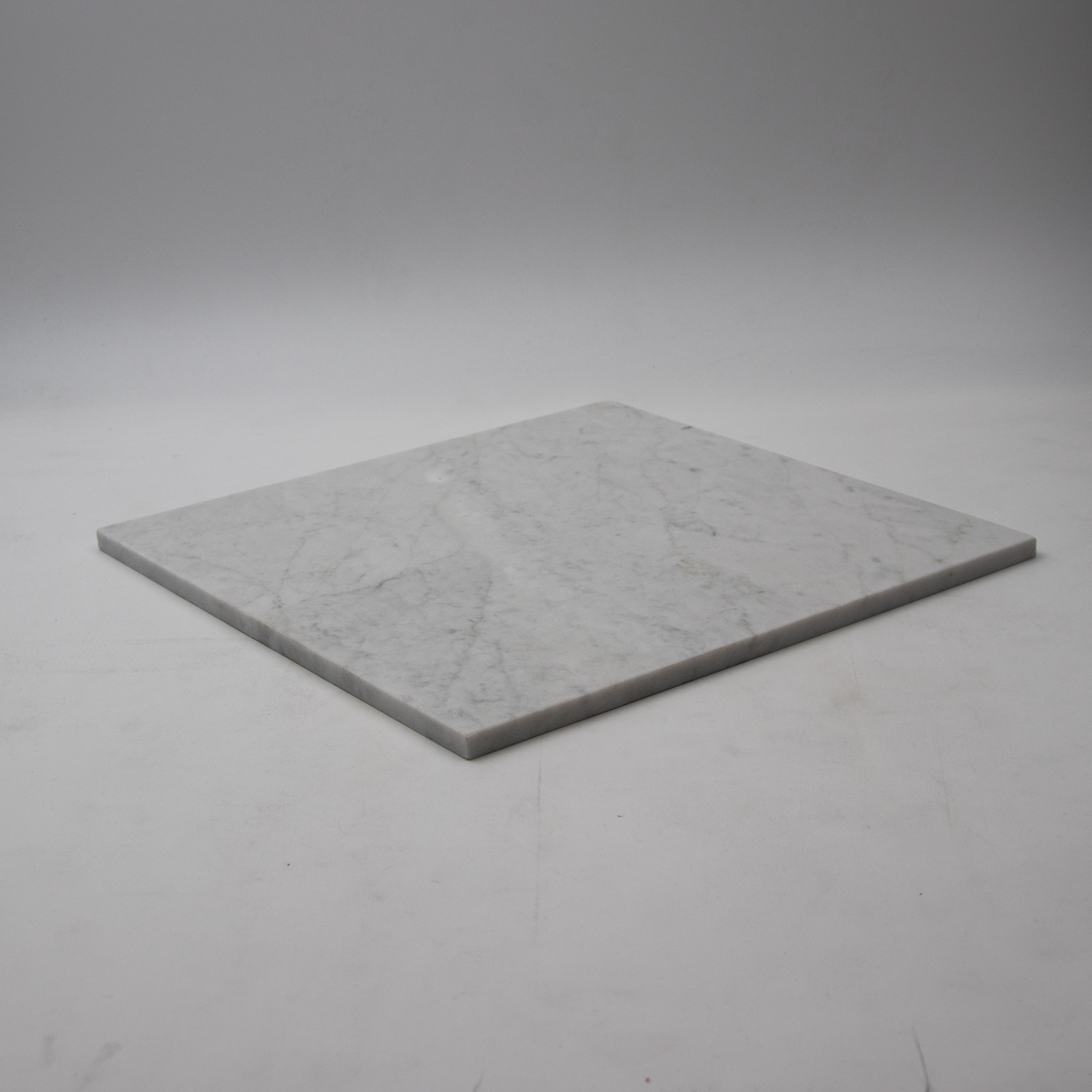
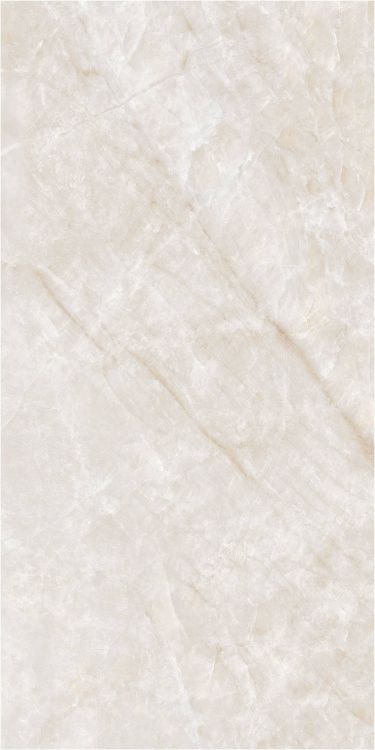
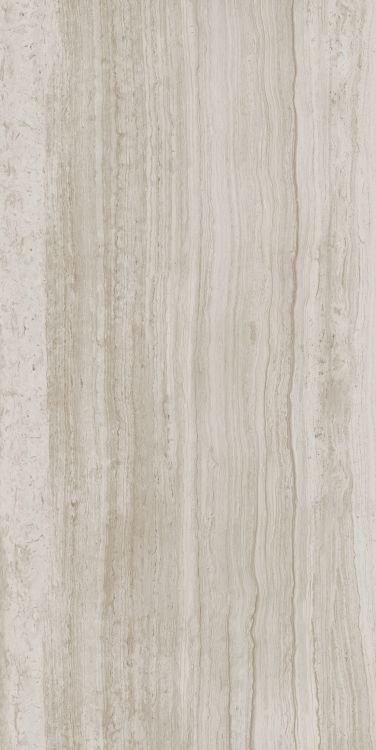
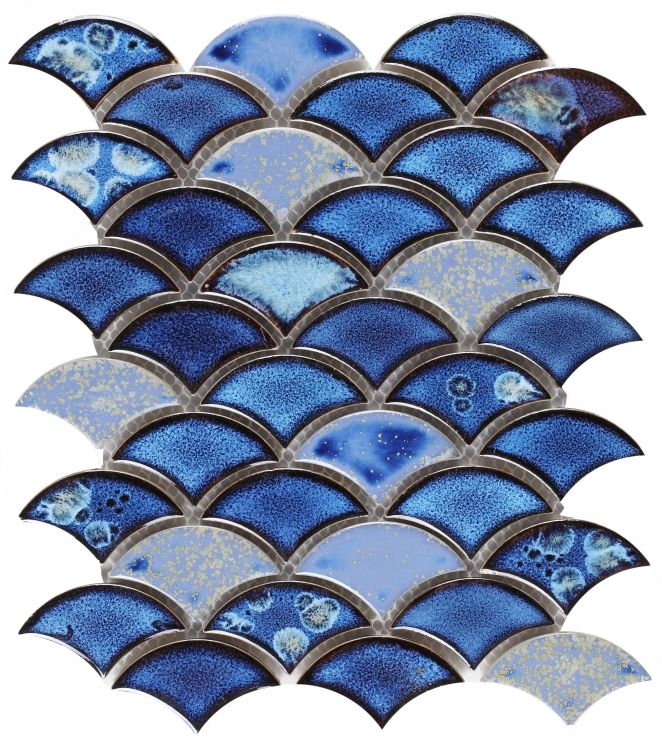



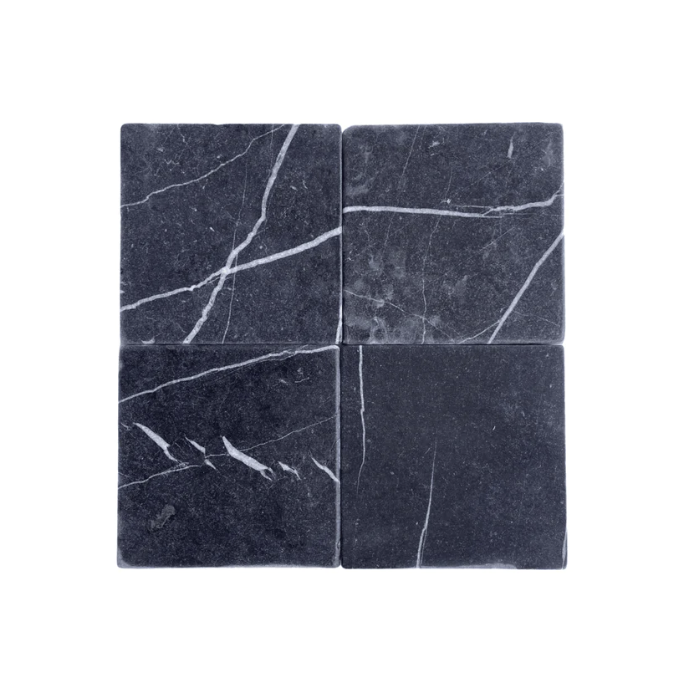
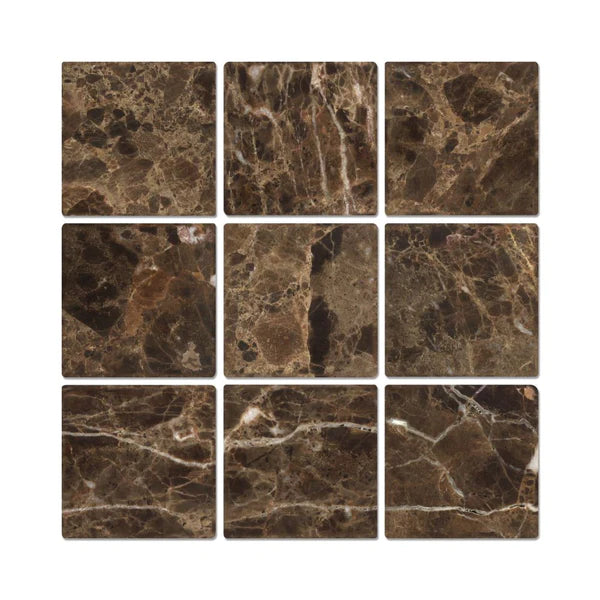
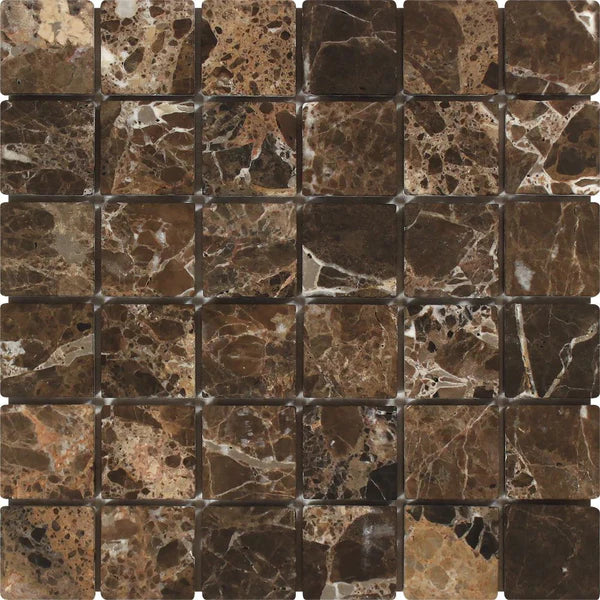
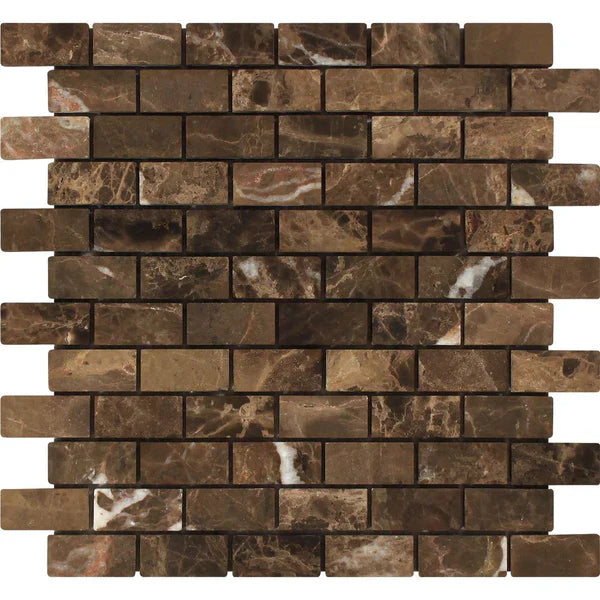
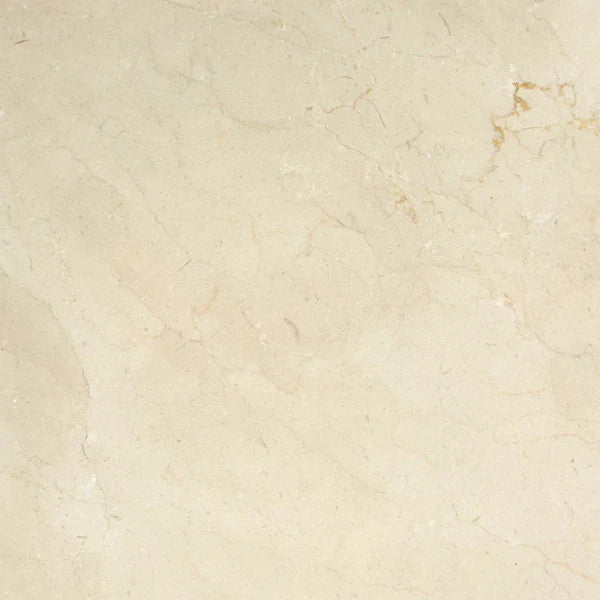
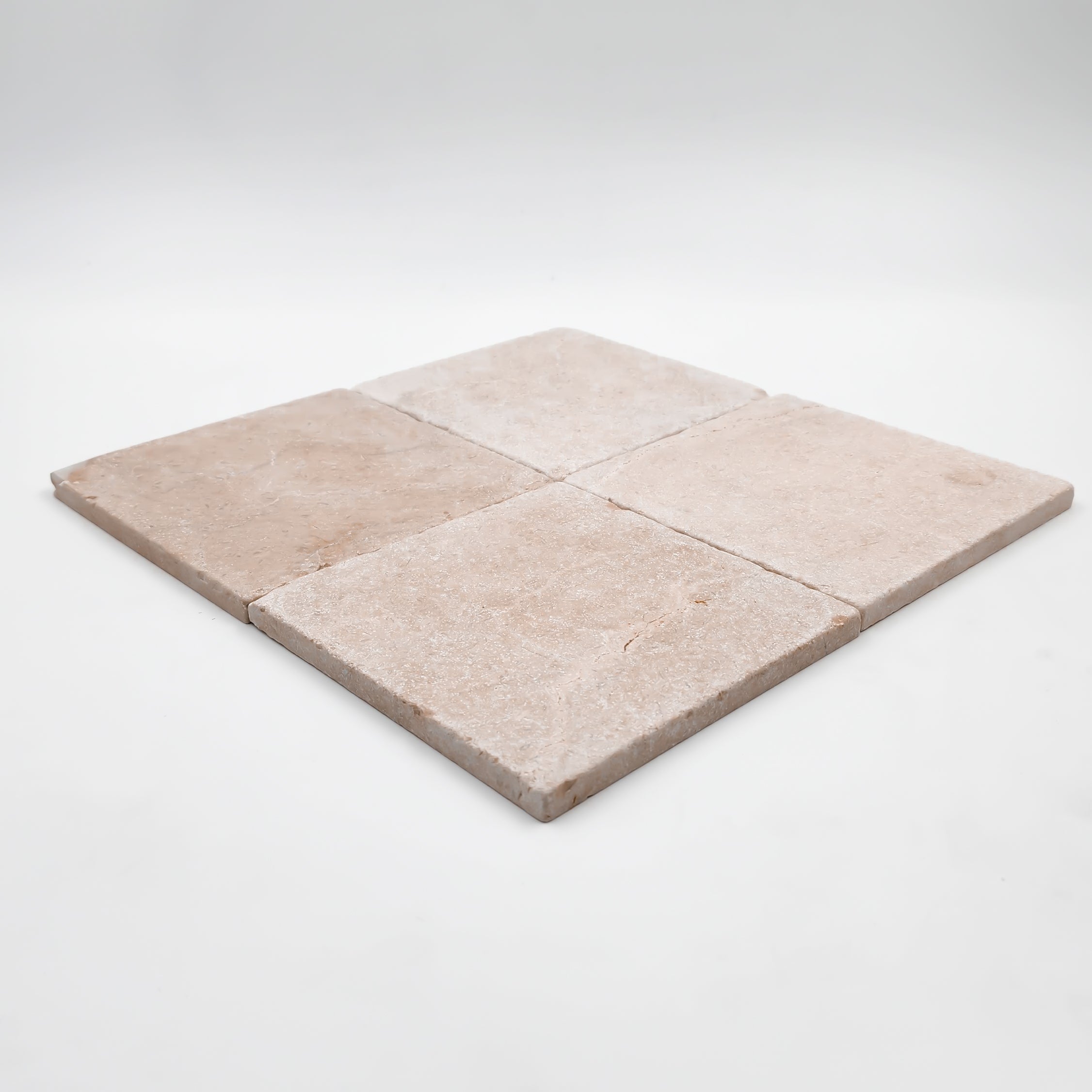
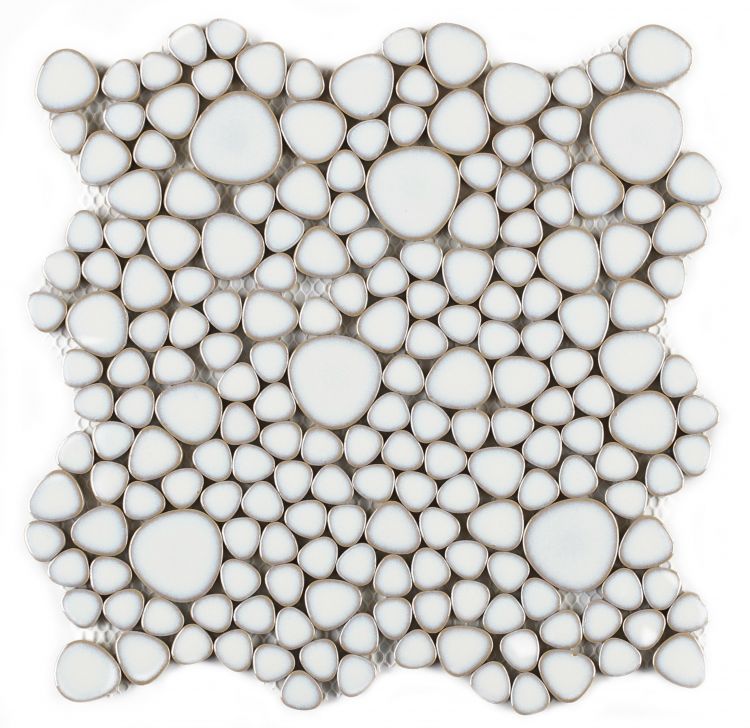
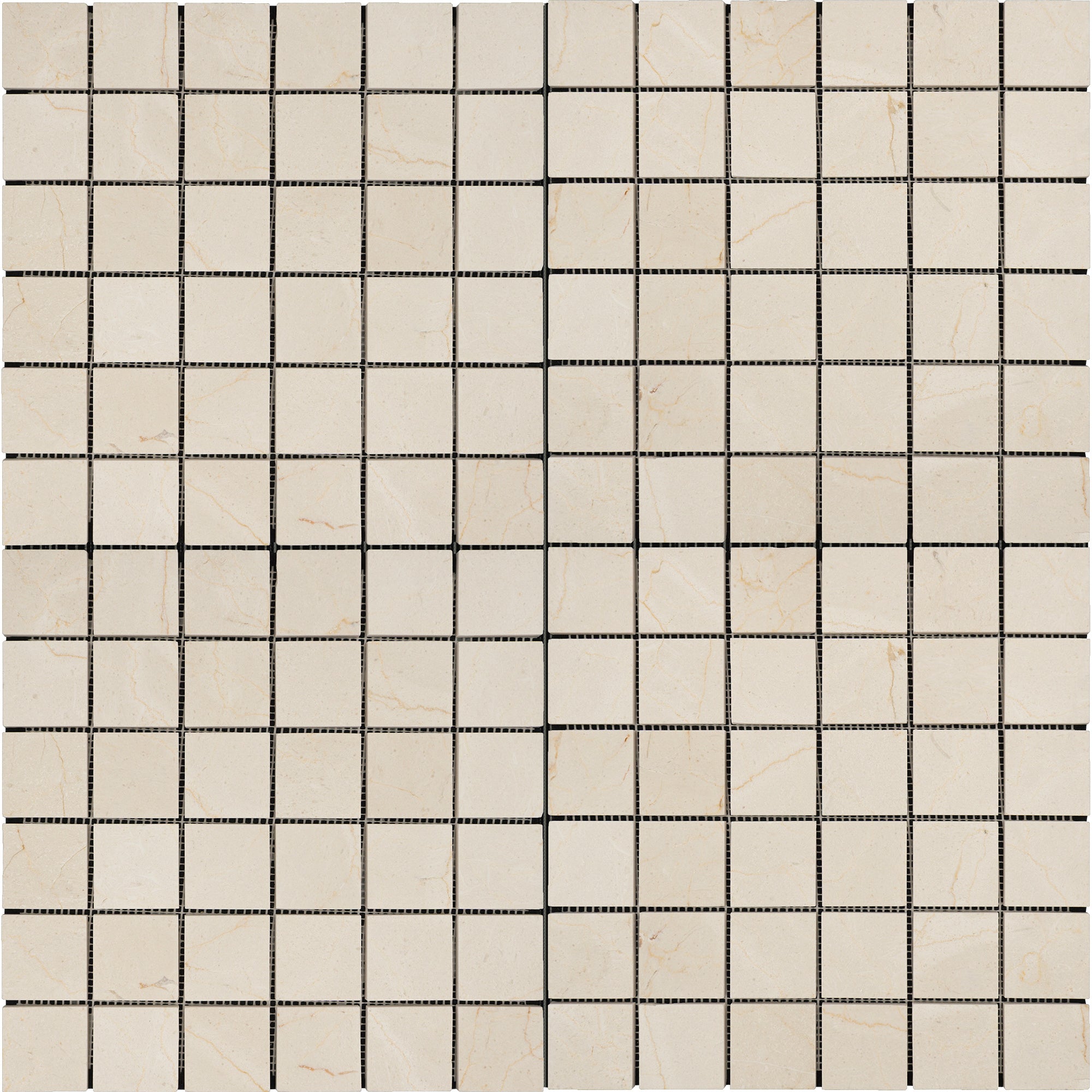
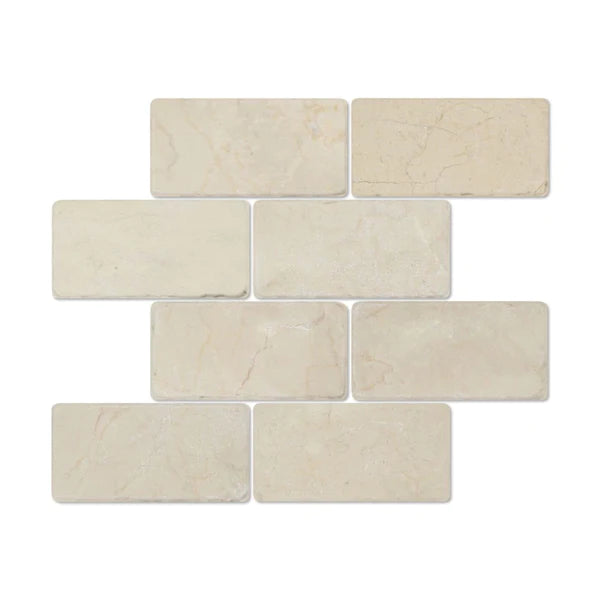
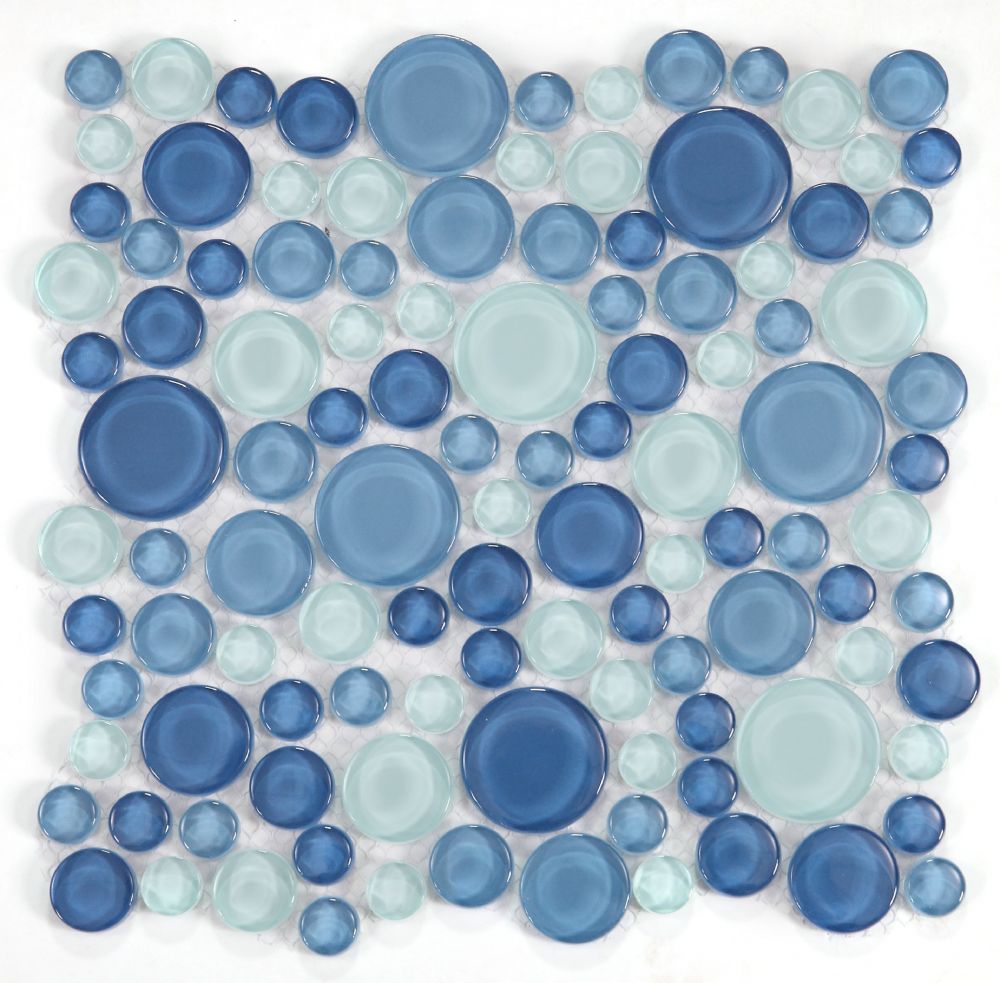
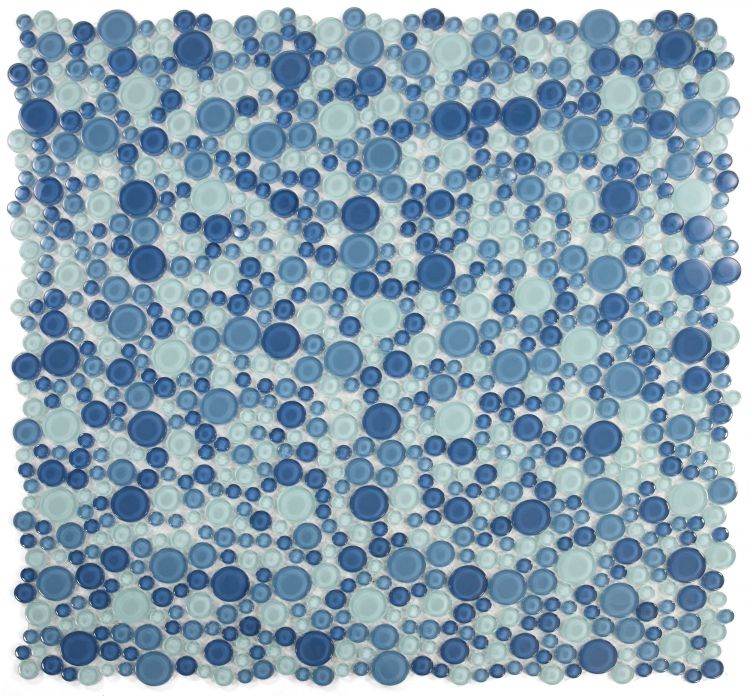

Bathroom Tile Comparison Guide
Use this technical matrix to select the appropriate material grade based on your specific residential or commercial installation zone:
| Tile Material | Best Bathroom Application | Water Resistance | Maintenance Level | Radiant Heat Support |
|---|---|---|---|---|
| Porcelain | High-traffic floors & wet rooms | Extremely High (Impervious) | Low (No sealing required) | Excellent |
| Ceramic | Walls, backsplashes & vanities | High | Low (Wipe down easily) | Good |
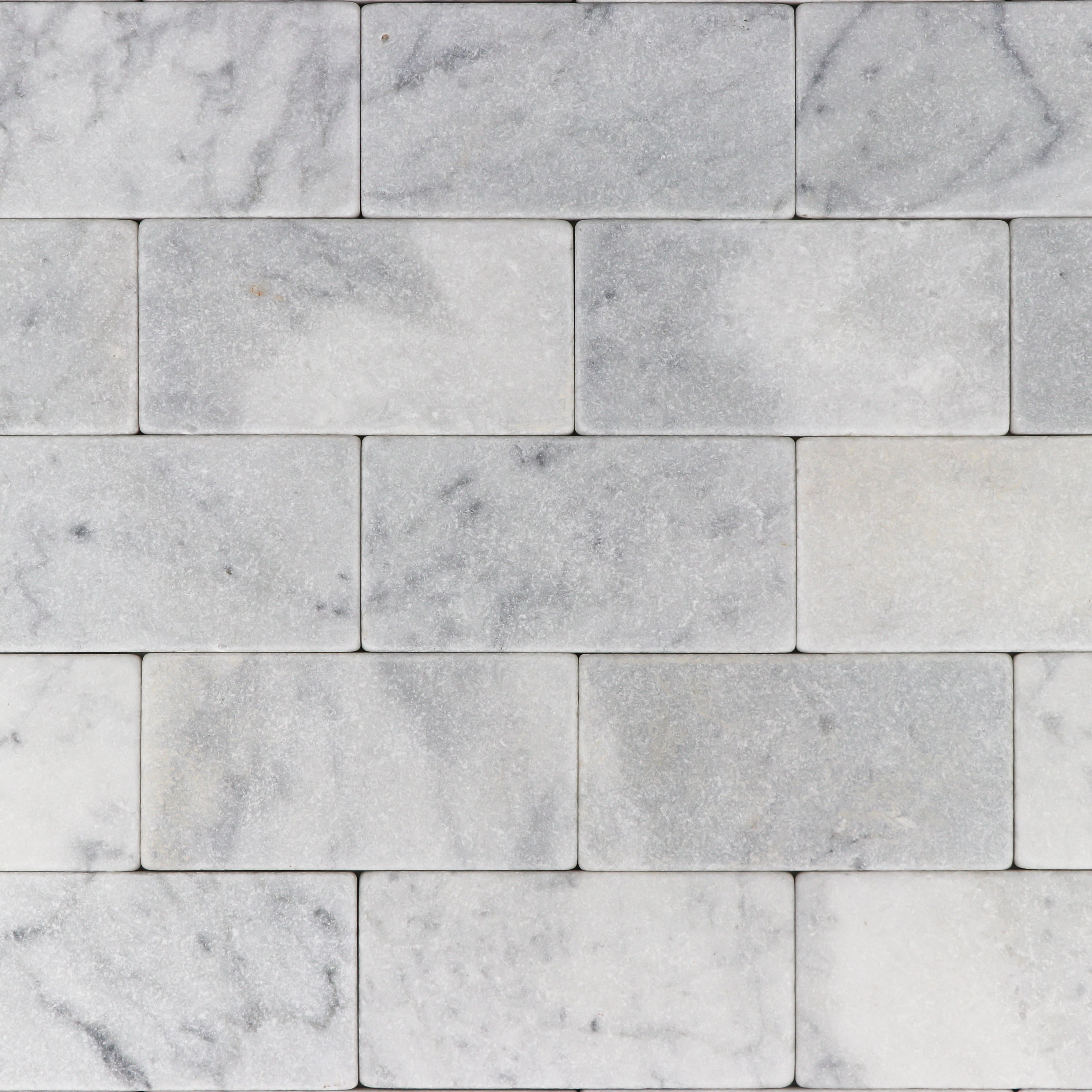
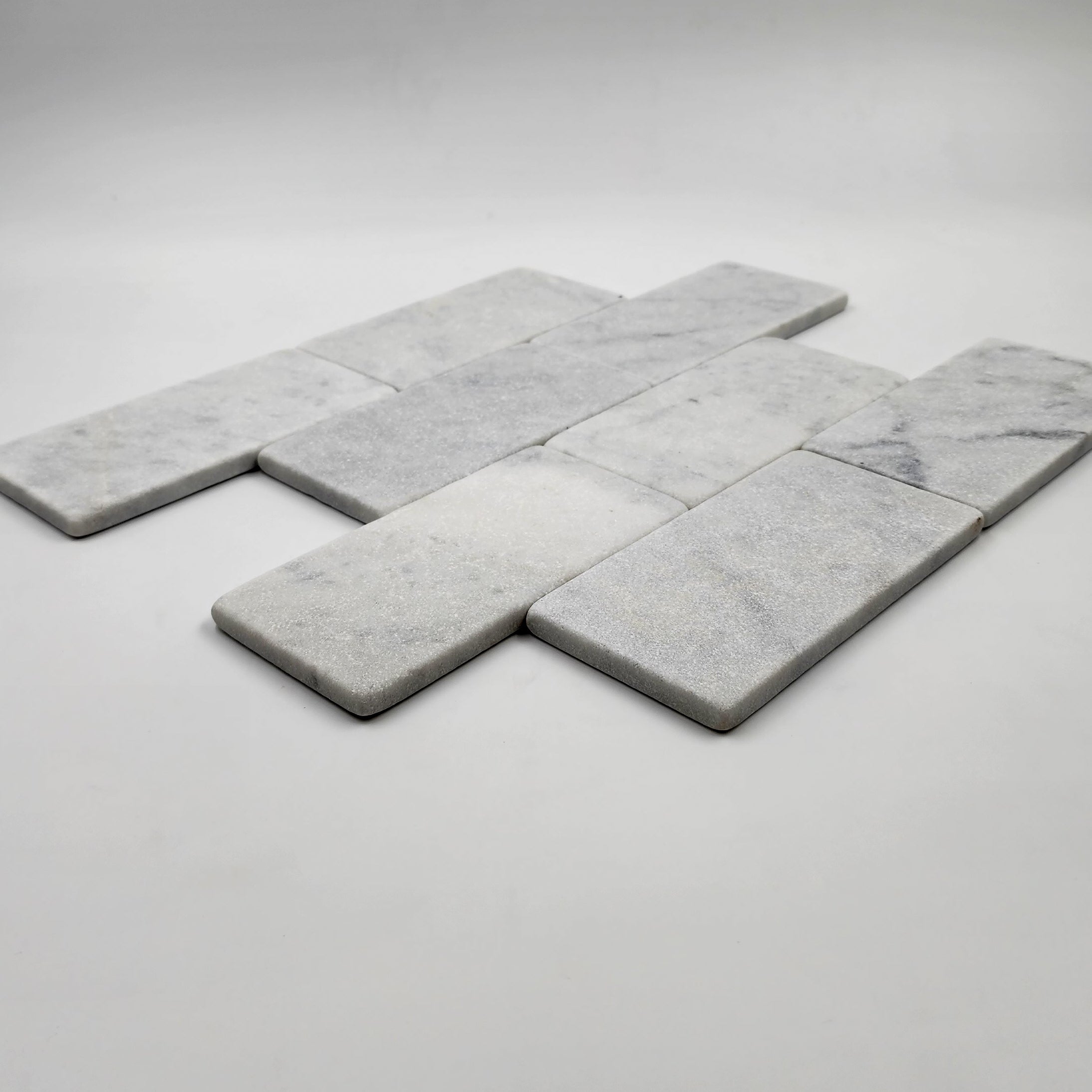
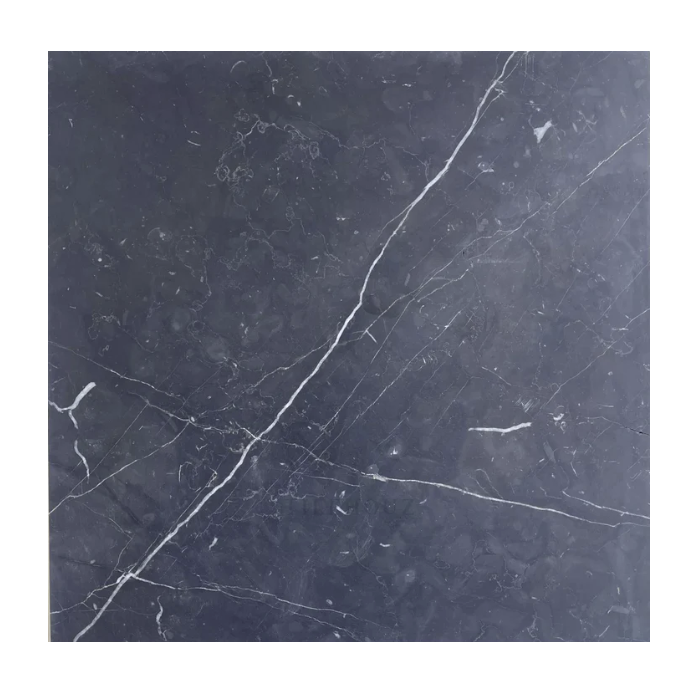
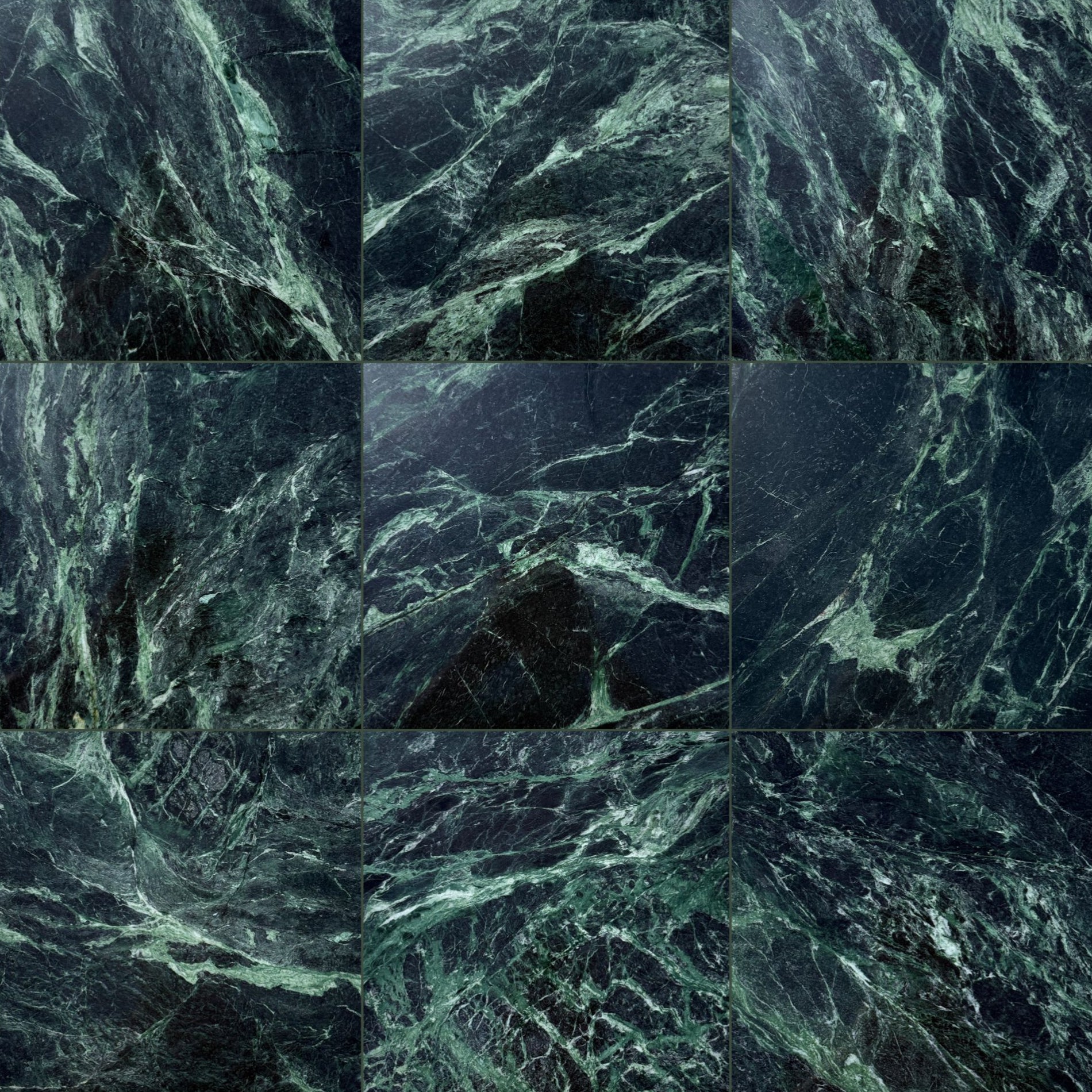
| Natural Stone | Luxury accent walls & floors | Medium (Porous base) | High (Requires sealing) | Excellent |
| Glass / Mosaic | Shower floors, pans & niches | Extremely High | Low (Use epoxy grout) | Not Recommended |
Free Design Consultation
Choosing the perfect tiles can be tricky. Speak with our experienced tile experts. We will guide you through selecting the best colors, patterns, and materials to match your style and needs.
FAQs about Bathroom Tiles
Related Articles
-

How to Install Mosaic Tile on Bathroom Floor | DIY Guide
Step-by-step guide to installing mosaic tile on a bathroom floor - prep, thinset, grouting, sealing, and common mista... -

-

An Ultimate Guide to Slip‑Resistant Bathroom Floor Tiles (COF, PEI & ADA Rules Explained)
Wet bathroom floors can be dangerous. Learn how to choose slip-resistant bathroom floor tiles that balance safety and...


