





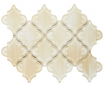
Shop Glass Tile by Room
Glass is non-porous, so it shrugs off water and grease — which is why it earns its place on shower walls and behind hobs. Start with the room and the shortlist takes care of itself.
258 products
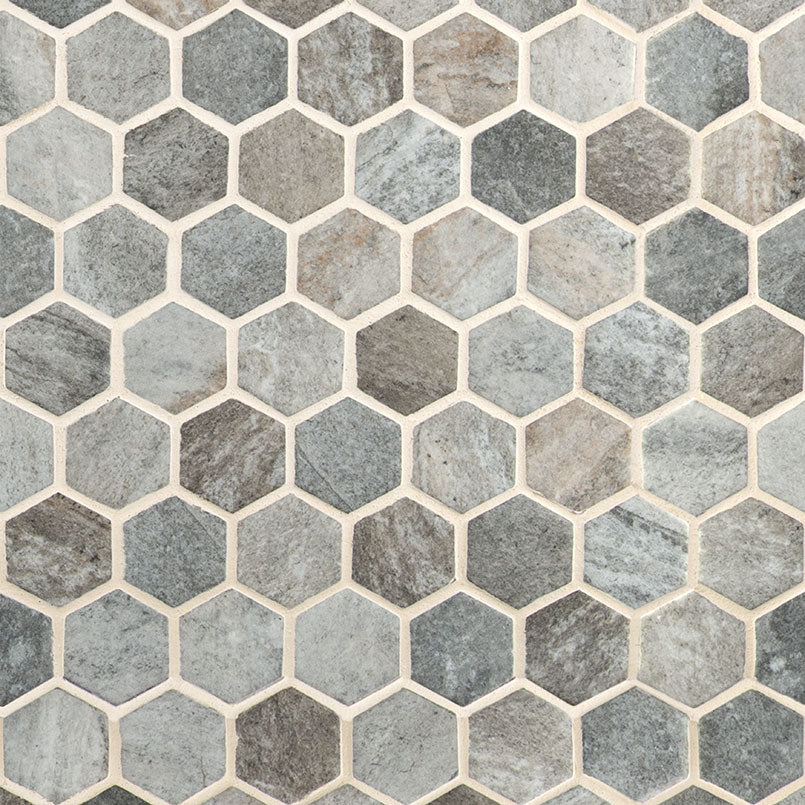
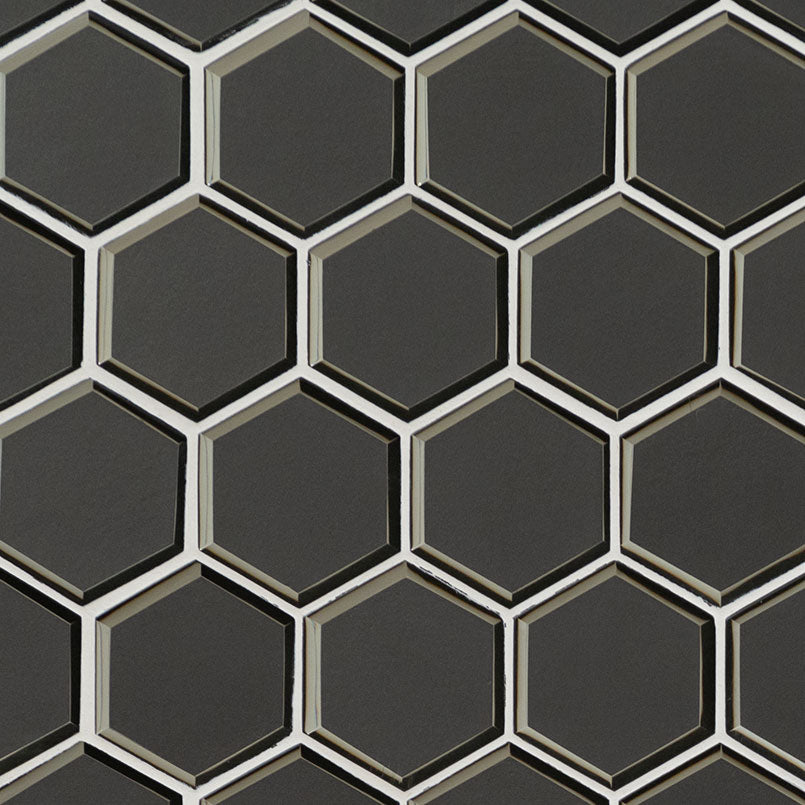
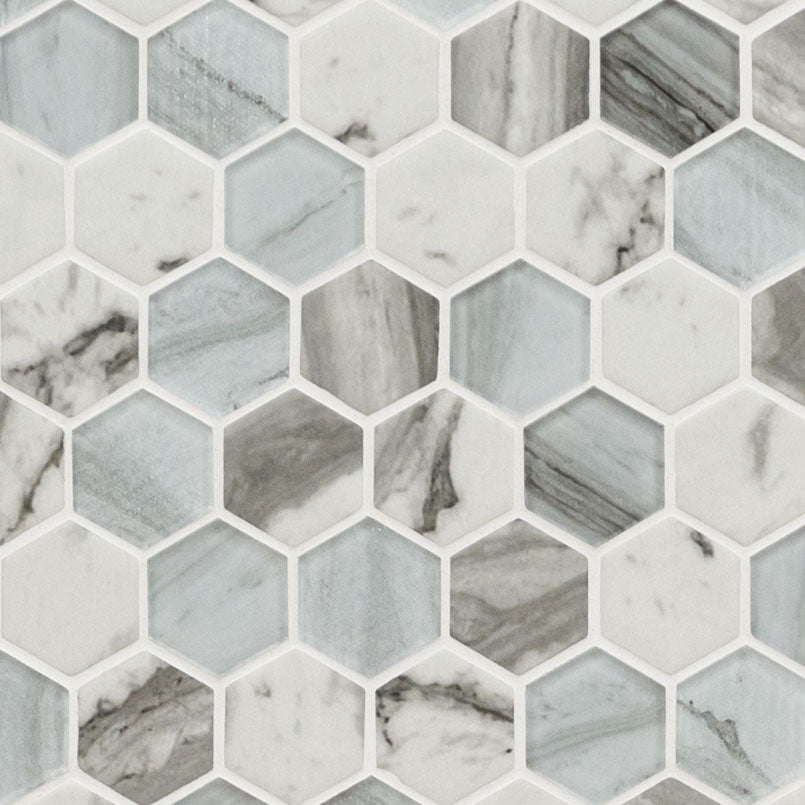
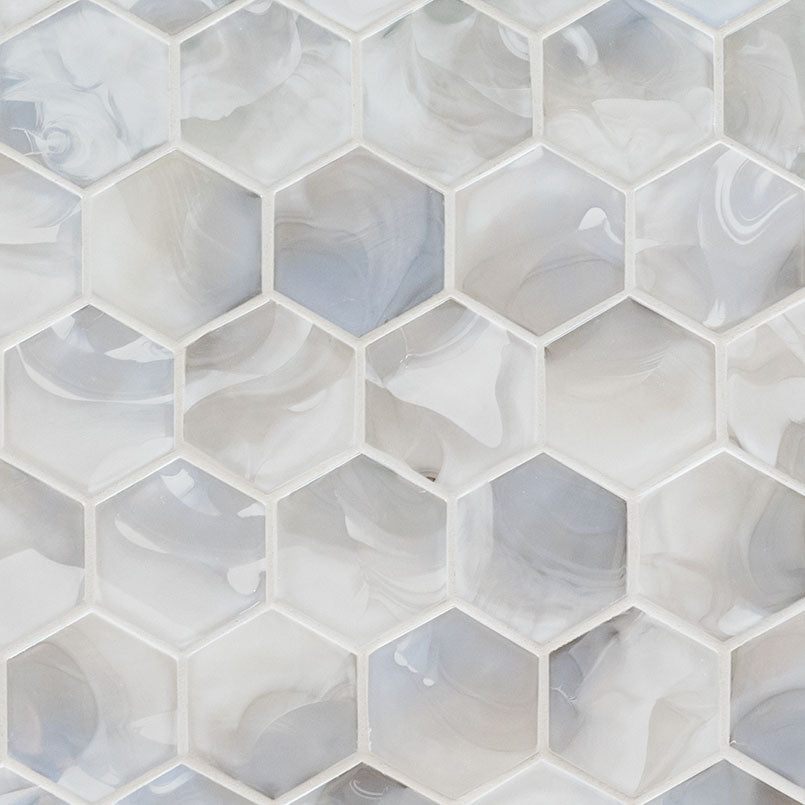

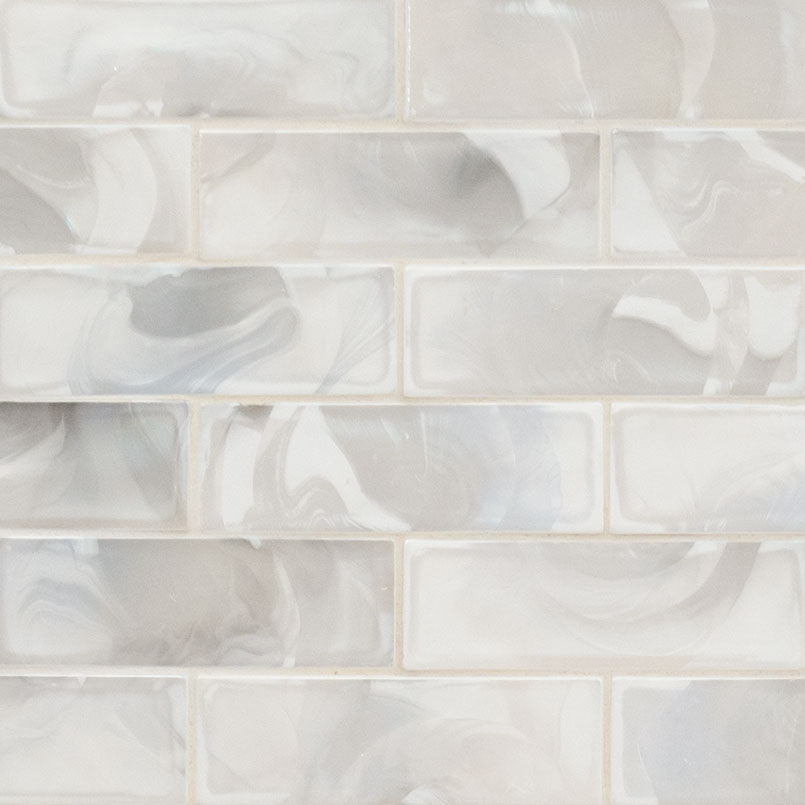
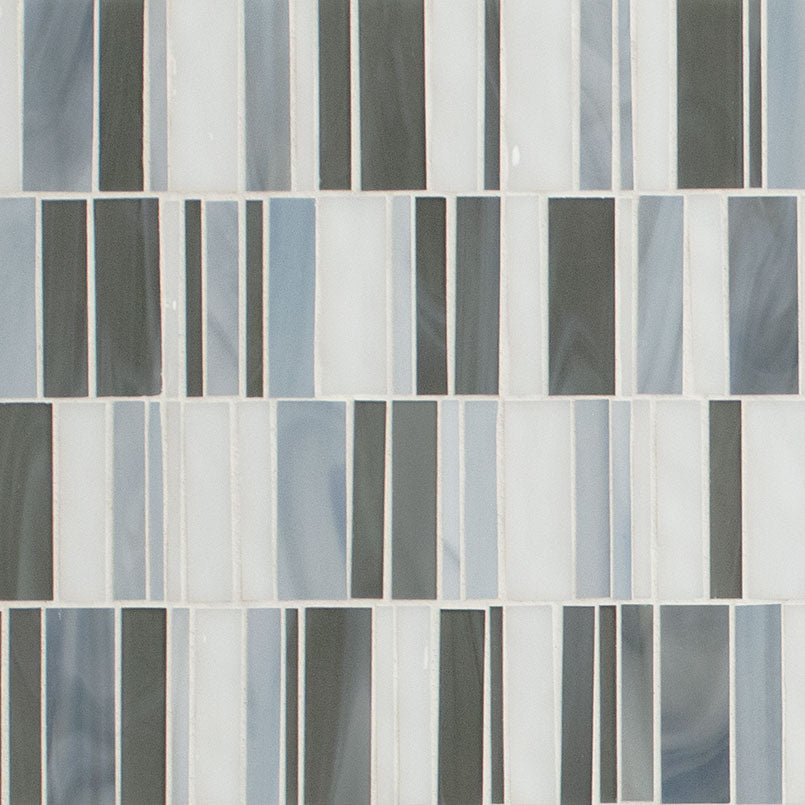
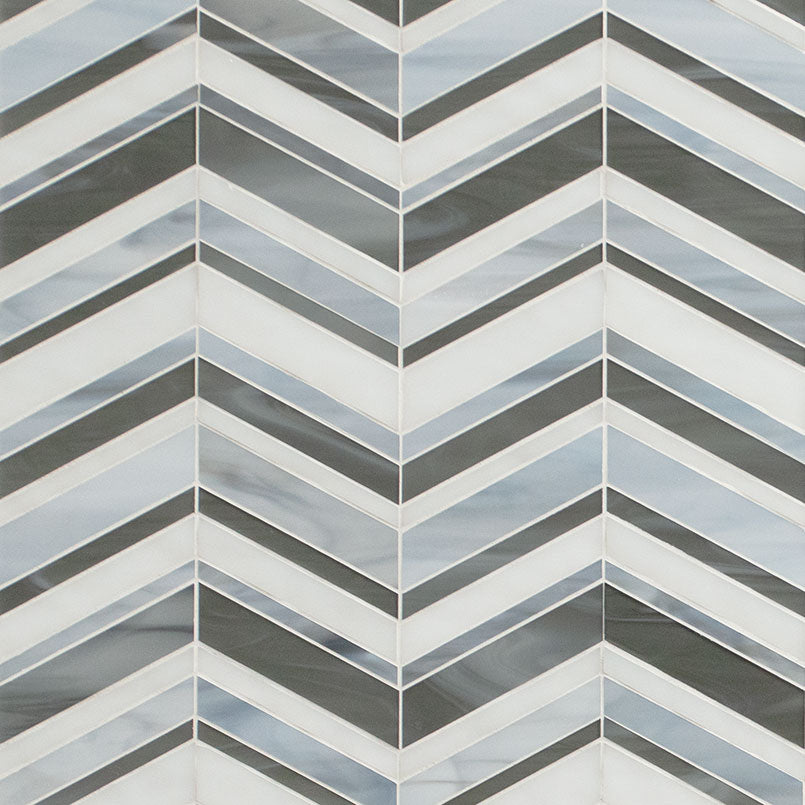

Glass earns its place in wet and working rooms for one reason: it absorbs no water at all. Nothing soaks in, so nothing stains, harbours odour or needs sealing — which is why it turns up on shower walls and behind hobs far more often than anywhere else in the house.
Room by room
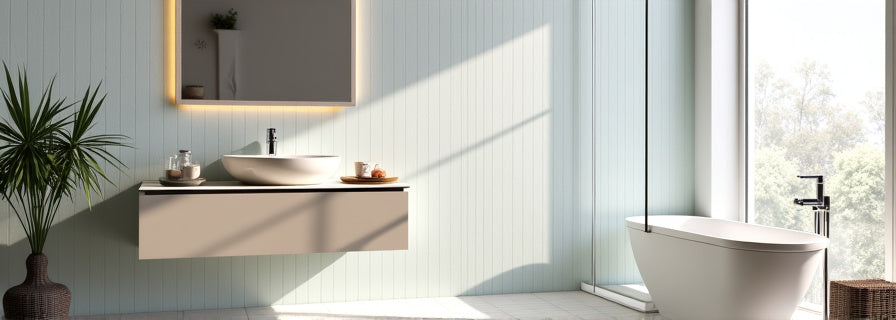
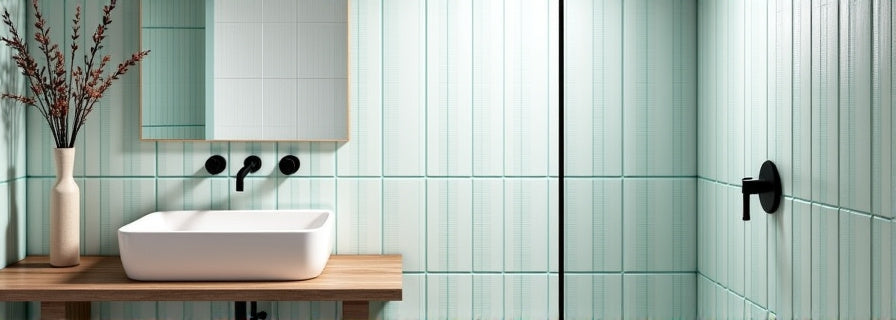
Bathroom
Zero absorption means no sealing, ever, and no route for mould into the tile body. Pale gloss glass also bounces light around a room that usually has one small window. Keep the darkest tones for a feature strip rather than every wall, because they show water spotting.
Shower
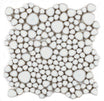
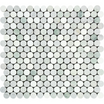
The strongest case for glass in the house. Walls take it beautifully. On the floor, choose a small format — penny round or a small mosaic — so the grout joints provide grip and the sheet can be set to a fall without cutting.
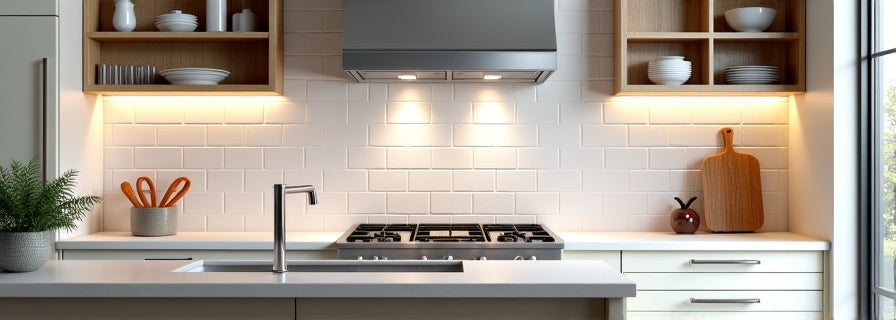
Kitchen
A backsplash gets grease, acid and heat. Glass wipes clean with any non-abrasive cleaner and will not etch the way marble does when lemon juice sits on it. The run between worktop and wall units is also short, which makes it an affordable place to use a material you would not tile a whole floor in.
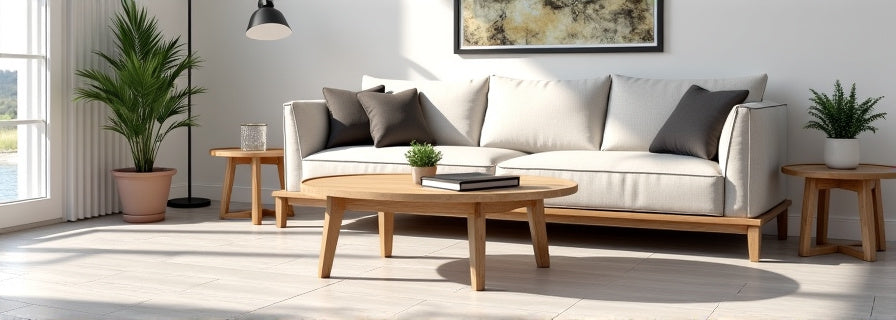
Living room
Mostly decorative here: a fireplace surround, an alcove, a strip of colour in an otherwise plain scheme. Glass is not a living-room flooring material, and this is the room where iridescent finishes pay off because you see the wall from many angles.
Where glass is the wrong answer
Being straight about this saves returns. Glass is not a general flooring tile — it is harder than it looks but it scratches visibly, and large-format glass underfoot is slippery when wet. It also shows every imperfection in the wall behind it, so a badly prepared substrate will be obvious once the light hits. And on an outdoor wall in a freezing climate, the adhesive bed is the failure point rather than the tile, so specification matters more than usual.
Fitting notes that apply in every room
- White, glass-rated adhesive only — grey shows through.
- Full, even coverage behind every sheet. Voids appear as shadows.
- Confirm your grout and thinset are rated for continuous wet or submerged use before a shower floor or a pool.
Free Design Consultation
Choosing the perfect tiles can be tricky. Speak with our experienced tile experts. We will guide you through selecting the best colors, patterns, and materials to match your style and needs.